
Online Psychedelic Shop
Price range: $180.00 through $799.00
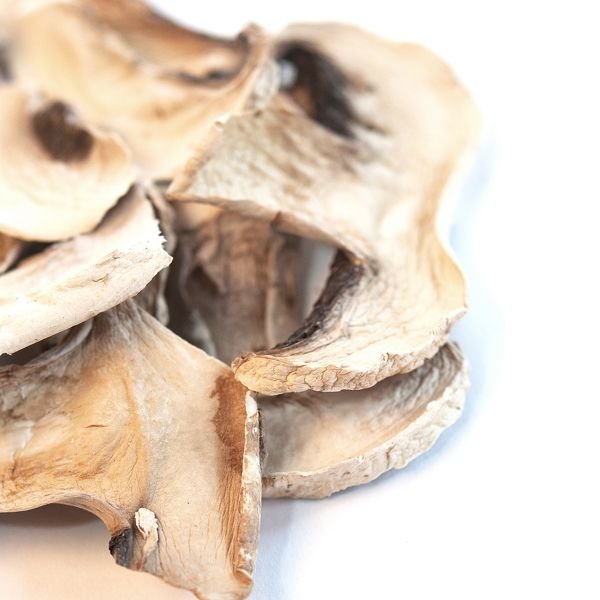
White Button Mushrooms are among the most widely cultivated and consumed edible mushrooms in the world. Their mild flavor, smooth white appearance, compact shape, and versatile texture make them a popular ingredient in home cooking, restaurants, food manufacturing, and commercial agriculture.
Scientifically known as Agaricus bisporus, White Button Mushrooms belong to the same species as Cremini and Portobello Mushrooms. The primary difference between these familiar market forms is largely related to maturity, appearance, and harvesting stage.
White Button Mushrooms can be eaten sautéed, roasted, grilled, baked, incorporated into soups and sauces, or added to salads and other dishes. They also provide dietary fiber, protein, minerals, vitamins, and naturally occurring fungal compounds.
This complete guide explores what White Button Mushrooms are, how they grow, how they are cultivated commercially, their nutritional characteristics, culinary uses, storage requirements, food-safety considerations, and how they compare with other popular mushroom varieties.
White Button Mushrooms are the immature fruiting bodies of Agaricus bisporus. They are typically harvested while their caps remain relatively small, rounded, and white.
They are commonly sold in supermarkets in several forms, including:
Their mild flavor makes them suitable for both simple recipes and complex dishes.
The scientific name of the White Button Mushroom is Agaricus bisporus.
It belongs to the:
The same species is responsible for several familiar commercial mushroom forms.
White Button, Cremini, and Portobello Mushrooms are commonly associated with the same species, Agaricus bisporus.
The major differences are related to development and harvesting.
These are generally harvested at an earlier stage and are characterized by:
Cremini mushrooms, sometimes called Baby Bellas, are typically brown forms harvested at a later developmental stage.
They generally have:
Portobellos are mature forms with:
This makes White Button Mushrooms an important example of how maturity and market presentation can influence the appearance of the same mushroom species.
White Button Mushrooms are usually recognized by their smooth, rounded caps and pale coloration.
Fresh specimens commonly have:
The appearance can change as the mushroom matures.
The cap is initially rounded and closed around the developing gills.
As the mushroom matures, the cap gradually expands and can eventually flatten.
Fresh young mushrooms generally have a compact appearance, while older specimens may show more visible gill development.
The stem is usually short and cylindrical.
It provides structural support for the cap and connects the fruiting body with the underlying mycelial system during growth.
The stem is edible and can be cooked along with the cap, although the bottom portion may sometimes be trimmed if it is dry or contaminated with growing-medium residue.
The gills are located beneath the cap.
They contain reproductive structures associated with spore production.
Young mushrooms have gills that are protected by the developing cap. As the mushroom matures, the cap opens and the gills become increasingly visible.
The color of the gills changes as the mushroom develops.
White Button Mushrooms have a mild, earthy flavor.
Their relatively subtle taste makes them particularly versatile because they can absorb and complement flavors from other ingredients.
Cooking can intensify their savory characteristics and create deeper roasted or umami notes.
Common flavor pairings include:
Raw White Button Mushrooms generally have a mild earthy flavor with a firm, slightly crisp texture.
When cooked, they become softer and more savory.
Pan-searing and roasting can create browning and a more concentrated mushroom flavor, while steaming and simmering produce a softer texture.
Texture depends on freshness, size, maturity, and cooking method.
Fresh mushrooms are generally:
Cooking gradually softens the mushroom’s tissues.
High-heat cooking can produce browned edges and a more concentrated texture, while prolonged cooking in liquid produces a softer result.
Agaricus bisporus occurs in natural environments, but the White Button Mushrooms commonly sold as food are overwhelmingly associated with controlled commercial cultivation.
Commercial production provides carefully managed conditions for:
Controlled cultivation allows producers to maintain consistent quality and predictable production.
Like other fungi, White Button Mushrooms have a life cycle involving spores, mycelium, and fruiting bodies.
The mushroom that consumers see is the fruiting body.
The larger fungal organism consists primarily of mycelium, which grows through its nutrient-rich growing environment.
Understanding this distinction is important when studying mushroom cultivation.
Mycelium consists of microscopic fungal filaments called hyphae.
The mycelium colonizes its growing medium and obtains nutrients from the available organic material.
Once environmental and biological conditions become appropriate, the fungal organism can transition from primarily vegetative growth toward fruiting-body production.
A simplified life cycle includes:
Mature mushrooms produce microscopic spores through their reproductive structures.
Under suitable conditions, spores can germinate and produce fungal growth.
The developing fungus forms a network of hyphae that becomes mycelium.
Mycelium spreads throughout the available growing medium.
Environmental conditions encourage the formation of fruiting structures.
Small mushroom structures enlarge and develop recognizable caps and stems.
The mushroom continues developing until it reaches the desired harvesting stage.
Commercial cultivation generally takes place in controlled environments.
A simplified production process includes:
Commercial production requires careful environmental management and contamination control.
Unlike some oyster mushrooms that are commonly cultivated on woody materials, Agaricus bisporus is commonly cultivated using specially prepared composted growing media.
Commercial substrates may contain combinations of agricultural materials and other components formulated to support fungal growth.
The substrate must provide:
The quality and preparation of the growing medium can influence mushroom production.
Important characteristics include:
Commercial mushroom growers carefully manage these factors to produce reliable crops.
Environmental conditions change throughout the cultivation cycle.
Important factors include:
The ideal environment for mycelial development is not necessarily identical to the environment required for fruiting.
Temperature influences mycelial growth and fruiting development.
Commercial growers typically manage temperature according to the specific production stage and strain.
Temperature that is too high or too low can affect growth rate, fruiting, morphology, and overall crop performance.
Humidity is important because developing mushrooms contain significant amounts of water.
Insufficient humidity can contribute to:
Excessive moisture can also cause problems by increasing the risk of microbial contamination and deterioration.
Effective cultivation therefore requires careful moisture management.
Gas exchange is another important part of commercial mushroom cultivation.
Carbon dioxide accumulates as organisms respire, and mushroom development can respond to changes in the surrounding atmosphere.
Growers use controlled ventilation to maintain appropriate environmental conditions during different production stages.
White Button Mushrooms do not perform photosynthesis like green plants.
Consequently, they do not require sunlight as a nutritional energy source.
Cultivation environments are instead designed around substrate quality and environmental factors such as temperature, humidity, and air exchange.
The production timeline depends on the strain, growing system, substrate preparation, environmental conditions, and cultivation method.
Commercial production is generally divided into multiple stages, including substrate preparation, colonization, environmental conditioning, fruiting, and harvesting.
Because these variables differ between growers, there is no single growth period that applies to every production system.
Fruiting begins when the fungal organism receives appropriate biological and environmental signals.
Small fruiting structures develop and gradually enlarge.
During fruiting, growers monitor:
Consistent environmental management helps support uniform production.
White Button Mushrooms are typically harvested while the caps remain relatively compact and closed.
Commercial harvesters look for mushrooms that are:
Harvest timing can influence appearance, texture, shelf life, and market value.
Commercial mushrooms are harvested carefully to minimize physical damage.
After harvesting, mushrooms are sorted and prepared for packaging.
Careful handling is important because bruising and mechanical damage can reduce visual quality and shorten storage life.
Yield depends on numerous factors, including:
Commercial growers optimize these variables to maximize productive output while maintaining quality.
White Button Mushrooms can contribute useful nutrients to a balanced diet.
They contain:
The exact nutritional composition varies according to growing conditions, maturity, storage, and preparation.
For precise nutritional values, consumers should consult the nutrition information associated with the specific product.
White Button Mushrooms contain protein, although their protein concentration is lower than that of many concentrated protein foods.
They can contribute to overall dietary variety when combined with legumes, grains, vegetables, dairy products, eggs, meat, or other protein sources.
Mushrooms contain dietary fiber and structural components associated with their fungal cell walls.
Including mushrooms in meals can increase dietary variety and contribute fiber alongside other plant-based foods.
White Button Mushrooms contain several vitamins and vitamin-related compounds.
Their nutritional profile may include B-group vitamins, while certain cultivation and processing conditions can influence vitamin levels.
Mushroom vitamin content can vary significantly depending on production and post-harvest conditions.
White Button Mushrooms can contribute minerals such as:
The precise amounts depend on the growing medium and other production variables.
Mushrooms are unusual among foods because their vitamin D content can be influenced by exposure to ultraviolet light.
Commercially produced mushrooms may therefore have different vitamin D levels depending on whether and how they receive UV exposure.
Consumers interested specifically in vitamin D should check product-specific nutrition information rather than assuming that all White Button Mushrooms contain the same amount.
Agaricus bisporus contains numerous naturally occurring compounds that have attracted scientific and nutritional interest.
Researchers have investigated compounds including:
The presence of these compounds does not mean that consuming mushrooms treats or prevents a particular disease. Research findings should be interpreted according to the strength and type of evidence available.
Scientific research involving Agaricus bisporus has examined areas such as:
Research continues to examine how cultivation, processing, and storage influence mushroom composition.
As part of a balanced diet, White Button Mushrooms can provide:
These characteristics make them a practical ingredient in many balanced meals.
Nutritional benefits should be considered in the context of the overall diet rather than as evidence of medicinal effects.
White Button Mushrooms are among the most versatile culinary mushrooms.
They can be:
Different cooking techniques produce different textures and flavors.
Sautéing is one of the simplest preparation methods.
A basic approach is:
Avoid overcrowding the pan when browning is desired because excess moisture can cause steaming.
Roasting can produce browned edges and concentrated flavor.
Whole or halved mushrooms can be combined with:
Roasting is particularly useful for side dishes and vegetable-based meals.
White Button Mushrooms can be grilled whole or on skewers.
Larger mushrooms generally work better for grilling because they retain more structure.
Seasonings can include herbs, garlic, olive oil, pepper, or a suitable marinade.
These mushrooms are commonly used in soups because they release savory flavors into liquid.
They can be combined with:
They can also be blended into smooth mushroom soups.
Sautéed mushrooms can be added to pasta with:
Their mild flavor makes them compatible with both simple and strongly seasoned sauces.
Sliced mushrooms can be combined with vegetables, tofu, noodles, rice, or meat in stir-fry dishes.
Their mild flavor allows them to absorb sauces while retaining a recognizable mushroom texture.
Fresh White Button Mushrooms are sometimes served raw in salads and other preparations.
They should be fresh, properly stored, clean, and suitable for raw consumption.
People with individual sensitivities may prefer cooked mushrooms.
Cleaning should remove visible dirt without unnecessarily saturating the mushrooms.
A practical method is:
If mushrooms are heavily contaminated or deteriorated, they should not be used.
Fresh mushrooms should generally be refrigerated.
To maintain quality:
Storage life depends on freshness, temperature, packaging, and handling.
Signs of deterioration can include:
Minor surface changes do not necessarily indicate severe spoilage, but mushrooms showing obvious contamination or significant deterioration should be discarded.
Fresh mushrooms generally provide a firmer texture and more delicate appearance.
Canned mushrooms offer:
However, their texture is generally softer because of processing.
Frozen mushrooms can be convenient for long-term storage.
Freezing can alter mushroom texture because water inside the tissues forms ice crystals.
Fresh mushrooms are generally preferred when appearance and firm texture are priorities.
Yes, mushrooms can be dried as a preservation method.
Drying reduces moisture and extends storage life when properly performed.
Rehydrated mushrooms can be used in soups, sauces, stews, and other recipes, although their texture will differ from fresh mushrooms.
Food safety is important when handling fresh mushrooms.
Good practices include:
Wild mushrooms should never be consumed based solely on their resemblance to cultivated White Button Mushrooms.
White Button and Cremini Mushrooms are commonly associated with Agaricus bisporus.
White Button Mushrooms are generally lighter and harvested earlier, while Cremini Mushrooms have brown caps and are commonly harvested at a somewhat later developmental stage.
Both can be used in similar recipes.
Portobello Mushrooms are mature forms of Agaricus bisporus.
Compared with White Button Mushrooms, Portobellos are:
White Buttons are often preferred for everyday cooking because of their small size and mild flavor.
Shiitake Mushrooms belong to a different species and genus.
White Button Mushrooms generally have a milder flavor and smoother appearance, while shiitake mushrooms have a stronger savory character and a distinctive cap.
Both are widely used in soups, stir-fries, sauces, and other dishes.
Oyster mushrooms typically have broader fan-shaped caps and more delicate structures.
White Button Mushrooms are compact and rounded, with shorter stems and a more uniform appearance.
Their different structures influence how they are cultivated and cooked.
Commercial mushroom cultivation can make productive use of agricultural materials in carefully formulated growing systems.
Mushroom production also has potential advantages related to efficient use of growing space and controlled production.
After harvesting, spent growing material may have secondary uses depending on its composition and local regulations.
Large-scale production requires coordinated management of:
Because White Button Mushrooms are highly perishable, post-harvest handling is particularly important.
When buying fresh mushrooms, look for specimens that are:
Compact mushrooms with good structural integrity are generally desirable for everyday cooking.
Restaurants use White Button Mushrooms in a wide variety of dishes.
They can be incorporated into:
Their mild flavor makes them particularly useful as a foundational culinary ingredient.
One reason these mushrooms are so popular is their simplicity.
They require little preparation and can be added to meals quickly.
A basic preparation involves cleaning the mushrooms, trimming any unwanted material, slicing them, and cooking them with oil or another suitable cooking fat.
Seasonings can then be added according to the recipe.
Too many mushrooms in a small pan can cause steaming instead of browning.
Prolonged soaking can increase surface moisture and make browning more difficult.
Long cooking times can produce a softer texture than desired.
Excess moisture and inadequate refrigeration can accelerate deterioration.
Among the most popular and widely used mushroom varieties, white button mushrooms are loved for their mild flavor,
smooth texture, and versatility in countless recipes. Whether served raw in salads, sautéed in butter, or added to soups and sauces,
these mushrooms bring a fresh, subtle taste that complements nearly every dish. Their widespread appeal makes them an essential
ingredient for home cooks and professional chefs alike.
One of the main reasons people choose white button mushrooms is their excellent balance of flavor, nutrition, and value.
Rich in vitamins, minerals, and antioxidants, they provide a healthy boost while being low in calories and fat. Additionally, these
fresh edible mushrooms are known for their ability to absorb seasonings, making them a perfect base for a wide range of culinary creations. From quick weekday meals to gourmet dinners, they deliver freshness and flavor every time.
Thanks to modern convenience, you can now easily buy white button mushrooms online and have them delivered straight
to your kitchen. Our mushrooms are carefully sourced and handled to ensure the highest level of freshness and quality. Whether
you’re stocking up for everyday cooking or preparing for a special meal, ordering online ensures you always have premium mushrooms ready to enjoy.
One of the greatest strengths of white button mushrooms is their adaptability in the kitchen. They can be sliced raw for
salads, sautéed as a simple side dish, grilled on skewers, or blended into sauces for added richness. Their mild taste makes them
an excellent addition to pasta dishes, pizzas, casseroles, and omelets. Because of their versatility, these fresh edible mushrooms
have become a staple in households around the world.
By incorporating white button mushrooms into your meals, you add freshness, nutrition, and flavor to your everyday cooking. Affordable, easy to prepare, and endlessly versatile, they are truly the perfect mushroom for any occasion.
White Button Mushrooms are a common cultivated form of Agaricus bisporus, an edible mushroom species widely used in cooking.
They are generally forms of the same species, Agaricus bisporus, but differ in appearance and harvesting stage.
Portobello Mushrooms are mature forms of Agaricus bisporus, while White Button Mushrooms are generally harvested earlier.
They have a mild earthy flavor that becomes more savory and concentrated when cooked.
They provide dietary fiber, protein, minerals, vitamins, and naturally occurring fungal compounds.
Sautéing, roasting, grilling, baking, and stir-frying are all popular methods.
Fresh White Button Mushrooms can be used raw in certain culinary preparations, provided they are fresh and properly handled.
They should generally be refrigerated and protected from excessive moisture and physical damage.
Yes, although freezing can change their texture.
Yes. Drying can extend storage life, although rehydrated mushrooms have a different texture from fresh mushrooms.
Commercial White Button Mushrooms are cultivated in controlled growing environments using specially prepared growing media.
The scientific name is Agaricus bisporus.
They do not require sunlight for photosynthesis because fungi obtain nutrients from their growing substrate rather than producing energy through photosynthesis.
Their mild flavor, compact appearance, availability, affordability, and versatility make them one of the most widely used culinary mushrooms.
White Button Mushrooms are an exceptionally versatile edible fungus with importance in culinary culture, nutrition, commercial agriculture, and mushroom science. Their mild flavor and compact structure allow them to fit into an enormous range of recipes, while their relationship to Cremini and Portobello Mushrooms makes them an interesting example of how harvesting stage can influence the appearance of a cultivated mushroom.
From sautéing and roasting to soups, pasta, pizza, salads, sauces, and stir-fries, White Button Mushrooms can be incorporated into everyday meals with minimal preparation.
Their cultivation also demonstrates the sophisticated environmental and substrate management required for modern mushroom production. Understanding their biology, growing conditions, nutritional composition, storage requirements, and food-safety considerations provides a more complete picture of why Agaricus bisporus remains one of the world’s most important cultivated edible mushrooms.
| Qauntity | oz, qp, hp, lbs |
|---|



Reviews
There are no reviews yet.