
Online Psychedelic Shop
Price range: $180.00 through $700.00
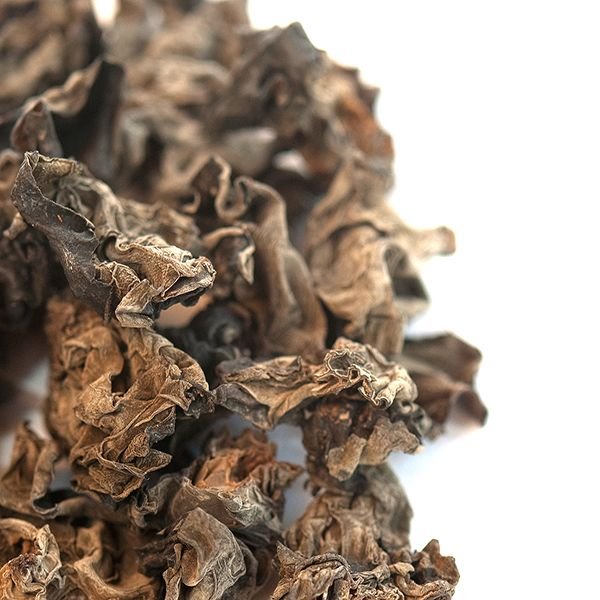
Cloud Ear Mushrooms are distinctive edible fungi widely used in Asian cuisine and known for their dark color, delicate flavor, and characteristic crunchy, jelly-like texture. They are commonly associated with the culinary mushroom known as wood ear, black fungus, or cloud ear fungus.
The name “Cloud Ear Mushroom” is commonly used for species in the Auricularia genus. Depending on the region and market, products may be sold under names such as wood ear mushroom, black fungus, cloud ear fungus, or dried wood ear.
Unlike many familiar mushrooms that develop on soil or cultivated growing media, cloud ear mushrooms naturally grow on woody substrates and decaying or dead trees. Their unusual texture and ability to absorb surrounding flavors make them particularly valuable in soups, stir-fries, noodle dishes, dumplings, hot pots, and other recipes.
Cloud Ear Mushrooms are edible fungi belonging to the genus Auricularia. They are commonly found growing on wood and are especially recognized for their ear-like appearance.
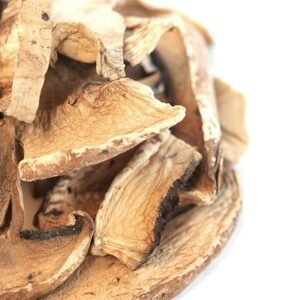
Fresh specimens can have a soft, flexible, somewhat translucent appearance, while dried cloud ear mushrooms become much smaller and darker. When soaked in water, dried mushrooms expand significantly and regain much of their characteristic texture.
The mushroom’s relatively mild flavor allows it to work well with strongly seasoned foods, while its texture provides contrast to softer ingredients.
Cloud ear mushroom belong to the fungal genus Auricularia. Several species within this genus are used as food, and naming can vary between scientific, culinary, and commercial contexts.
Depending on the product and region, cloud ear mushrooms may be associated with species including Auricularia polytricha and other closely related Auricularia species.
Because common mushroom names are not always taxonomically precise, checking the scientific name on commercial packaging can provide more specific information about the product.
Cloud ear mushrooms have a distinctive appearance that makes them different from many common culinary mushrooms.
Typical characteristics include:
Their unusual shape explains the common names “wood ear” and “cloud ear.”
The name comes from the mushroom’s shape and appearance.
When growing on wood, the fruiting body can resemble a small ear or cloud-like structure. The mushroom’s dark color and flexible form have also contributed to the many regional names used for this fungus.
“Wood ear” is one of the most widely recognized common names, while “cloud ear” is another culinary term used in markets and recipes.
The terms cloud ear and wood ear are sometimes used interchangeably, although commercial naming can vary.
Both refer broadly to edible Auricularia mushrooms, but exact species identification depends on the product.
For consumers, the most reliable way to determine what is being sold is to check:
This is particularly useful because common names can differ between countries.
Cloud ear mushroom have a relatively mild flavor compared with strongly aromatic mushrooms.
Their appeal comes primarily from texture rather than intense mushroom flavor.
The taste can be described as:
Because of their mild character, they readily absorb flavors from broths, sauces, marinades, garlic, ginger, soy sauce, sesame oil, and other ingredients.
Texture is one of the defining characteristics of cloud ear mushrooms.
After cooking, they can remain:
This texture makes them especially useful in dishes where contrasting textures are desirable.
Cloud ear mushrooms naturally grow on woody material.
They can be associated with:
Their biology differs from many mushrooms cultivated on compost or grain-based substrates because Auricularia species are wood-decomposing fungi.
Cloud ear mushroom are associated with humid environments where suitable woody material is available.
Environmental factors influencing growth can include:
These environmental requirements help explain why Auricularia species are commonly associated with forest and woodland environments.
Cloud ear mushroom play an ecological role as decomposer fungi.
They obtain nutrients from woody organic material and contribute to the decomposition process.
By breaking down components of dead wood, fungi such as Auricularia participate in nutrient cycling within forest ecosystems.
This makes cloud ear mushrooms interesting not only as food but also as organisms involved in forest ecology and fungal biodiversity.
Fresh cloud ear mushroom have a soft, flexible appearance and naturally contain substantially more water than dried products.
Fresh specimens can provide:
Because fresh mushrooms are perishable, refrigeration and appropriate food handling are important.
Dried cloud ear mushrooms are extremely common in Asian food markets.
Drying offers several advantages:
The dried mushrooms are usually rehydrated before cooking.
Rehydrating cloud ear mushrooms is relatively straightforward.
A general process involves:
The exact soaking time depends on the size, thickness, age, and dryness of the mushrooms.
Always follow the preparation instructions supplied with the product.
Dried cloud ear mushroom can expand considerably during rehydration.
This is important when preparing recipes because a relatively small amount of dried mushroom can produce a much larger quantity after soaking.
For accurate recipe preparation, measure the dried product before rehydration and adjust the amount according to the recipe.
After rehydration, cloud ear mushrooms should be cleaned carefully.
General preparation includes:
Because their irregular surfaces can trap particles, thorough cleaning is particularly important.
Cloud ear mushroom are versatile and can be incorporated into many dishes.
Common cooking methods include:
Their firm texture allows them to remain noticeable even when combined with vegetables, meat, noodles, tofu, and sauces.
Cloud ear and wood ear mushrooms are widely associated with Chinese cuisine.
They can be used in:
Their mild taste makes them suitable for dishes containing aromatic ingredients such as ginger, garlic, scallions, chili, and soy sauce.
Cloud ear mushroom are frequently used in soup because their texture remains distinctive during cooking.
They can be combined with:
Their ability to retain a pleasant texture makes them especially useful in soups containing several soft ingredients.
Stir-frying is another popular preparation.
The mushrooms can be combined with vegetables such as:
Because cloud ear mushrooms have a mild flavor, sauces and aromatics can provide most of the seasoning.
Finely chopped cloud ear mushroom can add texture to dumpling fillings.
They can be combined with:
Their texture can provide a pleasant contrast to softer fillings.
Cloud ear mushroom contain a range of nutrients and naturally occurring compounds.
Their nutritional profile can include:
The exact nutritional composition depends on species, cultivation conditions, maturity, processing, and whether the mushroom is measured fresh or dried.
Because dried mushrooms contain much less water, their nutrient concentrations per gram can appear substantially higher than those of fresh mushrooms.
As an edible mushroom, cloud ear can contribute nutrients and dietary fiber to a balanced diet.
Research has also examined compounds found in Auricularia mushrooms, including polysaccharides and antioxidant-related constituents.
However, laboratory findings should not be interpreted as proof that eating cloud ear mushrooms prevents or treats specific diseases.
The strongest established role of cloud ear mushrooms is as a nutritious culinary ingredient.
Mushrooms can contribute dietary fiber, and Auricularia species contain structural components that contribute to their dietary characteristics.
Adequate dietary fiber is generally associated with normal digestive health as part of an overall balanced diet.
The actual fiber content varies according to mushroom species, processing, and serving size.
Polysaccharides from Auricularia species have received considerable scientific interest.
Researchers have investigated their:
Much of this research remains laboratory or preclinical research. More human research is necessary before specific therapeutic claims can be established.
Researchers have studied antioxidant-related activity in extracts and compounds obtained from Auricularia mushrooms.
Some laboratory studies suggest that certain mushroom constituents may interact with oxidative processes.
However, antioxidant activity measured in a laboratory experiment does not necessarily mean that consuming the mushroom produces a specific medical benefit in humans.
Scientific research involving Auricularia mushrooms covers several areas, including:
This growing body of research has increased interest in cloud ear mushrooms as both food and a subject of fungal and nutritional science.
Cloud ear mushroom are cultivated commercially in several regions.
Their wood-decomposing biology allows cultivation using appropriate lignocellulosic materials and controlled growing environments.
Commercial production can involve:
This makes cloud ear mushrooms substantially easier to cultivate commercially than some highly specialized ectomycorrhizal mushrooms.
Commercial Auricularia cultivation may use woody or agricultural materials capable of supporting fungal growth.
Potential substrate materials can include:
The exact formulation depends on the species, production system, and cultivation conditions.
Both fresh and dried forms have advantages.
Fresh mushrooms offer:
Dried mushrooms offer:
For many households, dried cloud ear is particularly convenient because it can be stored until needed and rehydrated for cooking.
Dried cloud ear mushrooms should generally be protected from:
An airtight container in a cool, dry storage location can help protect quality.
Always follow the manufacturer’s storage instructions for packaged products.
Fresh cloud ear mushrooms are more perishable than dried mushrooms.
They should generally be:
Discard mushrooms that show significant spoilage, unusual deterioration, or other signs that they are no longer suitable for consumption.
Proper food handling is important with all mushrooms.
When purchasing or preparing cloud ear mushrooms:
Wild mushrooms should not be eaten unless they have been reliably identified by someone with appropriate expertise.
Preparation practices depend on the product and species.
Commercial dried cloud ear mushrooms should be rehydrated and prepared according to the manufacturer’s instructions. Fresh products should also be handled and cooked according to appropriate food-safety practices.
When using commercially packaged mushrooms, the supplier’s preparation instructions should take priority.
Although cloud ear mushrooms are widely consumed, individual food reactions are possible.
People who experience symptoms after eating mushrooms should discontinue consumption and seek appropriate medical advice, particularly if symptoms are severe.
Proper storage is also important because deteriorated food can cause gastrointestinal problems.
When purchasing dried cloud ear mushrooms, consider:
For fresh mushrooms, look for:
Commercial cloud ear mushrooms can vary considerably in size and appearance.
Quality considerations can include:
The ideal characteristics depend on whether the mushrooms are intended for home cooking, food-service applications, or specialty culinary use.
Cloud ear mushrooms are particularly important in East and Southeast Asian food traditions, but dried products are now available internationally.
Their long shelf life in dried form makes them suitable for:
Their popularity has grown alongside global interest in Asian cuisine and specialty mushrooms.
Cloud ear and shiitake are both important culinary mushrooms, but their characteristics are very different.
Cloud ear mushrooms are known primarily for their unusual crunchy, flexible texture and mild flavor.
Shiitake mushrooms are generally more strongly flavored and are known for their pronounced savory character.
The two mushrooms can complement one another in soups, stir-fries, noodle dishes, and other recipes.
“Black fungus” is another common culinary name associated with Auricularia mushrooms.
Depending on the region, “black fungus,” “wood ear,” and “cloud ear” may refer to related products or different species within the same general group.
Because common names vary, checking the scientific name and product description provides greater accuracy.
Cloud ear and wood ear are often used as overlapping culinary terms.
The exact distinction can depend on the market, species, and regional naming conventions.
For precise identification, consumers should use the scientific name rather than relying entirely on common names.
Cloud ear mushrooms offer several useful characteristics for cooking:
These characteristics explain their continuing popularity in Asian cooking.
Cloud ear mushrooms occupy an interesting position between traditional food and specialty mushroom products.
Their unusual appearance, texture, long shelf life in dried form, and culinary versatility make them attractive to consumers interested in specialty ingredients.
They can be used in both traditional recipes and modern fusion cuisine.
Known for its distinctive texture and nutritional value, the dried black fungus mushroom has been a staple in Asian cuisine for centuries. Often called “wood ear mushrooms,” they are prized for their crunchy bite and ability to absorb the flavors of any dish. Mild in taste yet rich in texture, they are perfect for adding depth to soups, stir-fries, salads, and hot pots.
One of the main reasons to choose dried black fungus mushroom is its outstanding health benefits. Packed with fiber, vitamins, and essential minerals, it supports digestion and overall wellness. In addition, this variety of gourmet dried mushrooms is naturally low in calories and fat, making it a smart choice for balanced diets. The drying process ensures long shelf life while concentrating the mushroom’s flavor and preserving its nutrients. Simply soak them in warm water for 15–20 minutes, and they are ready to enhance your recipes.
Today, it’s more convenient than ever to buy black fungus mushrooms online and enjoy authentic quality at home. By sourcing from trusted suppliers, you ensure that each mushroom is carefully dried and packaged to maintain freshness and flavor. Ordering online saves time while giving you access to premium gourmet dried mushrooms used by chefs worldwide.
The versatility of dried black fungus mushrooms makes them a must-have in any kitchen. Once rehydrated, they can be sliced into noodle dishes, added to dumplings, or tossed into refreshing salads. Their unique texture makes them especially popular in hot and sour soups, braised dishes, and vegetarian meals. Because they readily absorb spices, herbs, and sauces, they can adapt to a wide range of flavor profiles, from mild to spicy.
Incorporating dried black fungus mushrooms into your meals allows you to enjoy both nutrition and gourmet quality. Easy to store, quick to prepare, and versatile in cooking, they are the perfect ingredient for anyone who values healthy, delicious food.
Cloud ear mushrooms are edible fungi from the Auricularia genus. They are commonly associated with wood ear and black fungus and are widely used in Asian cuisine.
They have a mild, subtle, earthy flavor. Their main culinary attraction is their crunchy, springy, jelly-like texture.
The name refers to their ear-like and cloud-like appearance when growing on wood.
The names are often used interchangeably, although exact species and commercial terminology can vary by region.
They naturally grow on dead or decaying woody material and are associated with humid forest and woodland environments.
They contain dietary fiber, protein, minerals, carbohydrates, and other naturally occurring compounds. Nutritional composition varies according to species and processing.
Cloud ear mushrooms can contribute nutrients and dietary fiber to a balanced diet. Researchers have also investigated their polysaccharides and other compounds, but experimental findings should not be treated as proven medical benefits.
Dried cloud ear mushrooms are generally soaked in water until they expand and become flexible, then cleaned and cooked according to the recipe and product instructions.
Soaking time varies according to the size and dryness of the mushrooms. Follow the product instructions and soak until the mushrooms are fully rehydrated.
Yes. Auricularia species are commercially cultivated using suitable wood-based or lignocellulosic substrates under controlled conditions.
Prices vary according to species, quality, origin, processing, packaging, and whether the product is fresh or dried. Dried cloud ear mushrooms are often relatively economical because they have a long storage life.
Keep them sealed in a cool, dry location protected from moisture, insects, heat, and direct sunlight.
Commercially produced cloud ear mushrooms are widely consumed as food when properly handled and prepared. Wild mushroom identification and food safety require additional caution.
Cloud Ear Mushrooms are distinctive edible fungi valued for their unusual appearance, mild flavor, and exceptional texture. Associated with the Auricularia genus, they naturally grow on woody material and have become important cultivated mushrooms in many parts of the world.
Their culinary versatility is one of their greatest advantages. They can be added to soups, stir-fries, dumplings, noodles, hot pots, vegetable dishes, and many other preparations. Their ability to maintain a firm, springy texture while absorbing surrounding flavors makes them especially useful in recipes where texture is important.
From a nutritional perspective, cloud ear mushrooms provide dietary fiber, protein, minerals, and other naturally occurring compounds. Scientific research has also investigated Auricularia polysaccharides and other constituents, although experimental findings should be distinguished from established clinical benefits.
Whether you are researching cloud ear mushrooms, looking for information about their nutrition and culinary uses, comparing fresh and dried products, or learning about their cultivation and storage, these mushrooms offer an excellent example of how traditional food, fungal biology, agriculture, and modern food research can intersect.
Food-Safety Note: When dealing with wild mushrooms, reliable identification is essential. Never consume an unidentified wild mushroom based solely on an online photograph or description.
| Qauntity | oz, qp, hp, lbs |
|---|

Reviews
There are no reviews yet.