
Online Psychedelic Shop
Price range: $180.00 through $799.00
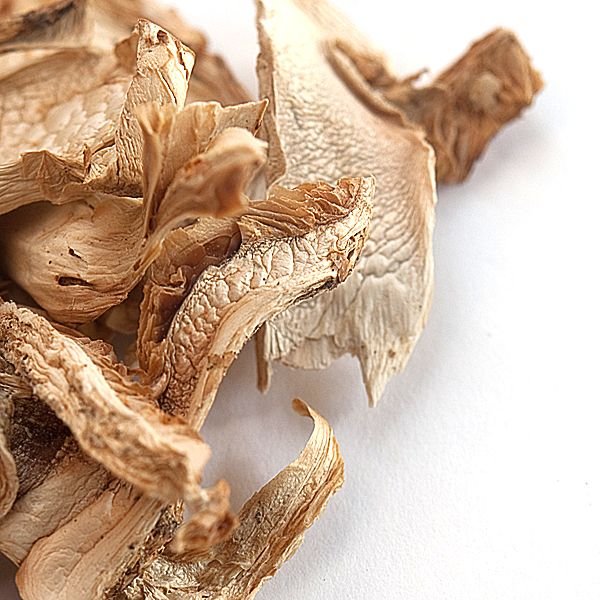
Matsutake mushrooms are among the world’s most highly valued wild edible mushrooms, recognized for their distinctive aroma, firm texture, seasonal availability, and important place in Asian cuisine. The name Matsutake generally refers to mushrooms associated with the Tricholoma genus, particularly Tricholoma matsutake, although closely related regional species are also marketed or described as matsutake.
Unlike many cultivated mushrooms, matsutake mushrooms have a complex ecological relationship with forest trees. They form ectomycorrhizal associations with tree roots, meaning their underground fungal network interacts closely with suitable host trees and surrounding forest soil. This ecological dependence is one of the major reasons commercial cultivation has remained extremely difficult.
Matsutake are especially appreciated for their powerful fragrance, savory character, dense flesh, and versatility in traditional dishes. Their aroma comes from a complex mixture of volatile compounds, and research has shown that the chemical profile can vary according to geographic origin and maturity.)
Matsutake mushrooms are wild edible fungi belonging primarily to the genus Tricholoma. The Japanese word “matsutake” is commonly translated as “pine mushroom,” reflecting the mushroom’s well-known association with pine-dominated forest ecosystems.
The best-known species is Tricholoma matsutake, a mycorrhizal mushroom particularly associated with coniferous forests. Other related mushrooms in different regions may also be called matsutake, pine mushrooms, American matsutake, or related regional names.
Matsutake are not simply mushrooms that happen to grow near trees. Their underground mycelium forms a biological partnership with compatible tree roots. This relationship influences where the mushrooms can establish and fruit.
The scientific classification most commonly associated with Japanese matsutake is:
Taxonomy can be complicated because mushrooms sold under the general name “matsutake” can represent different but related species depending on geographic region. North American matsutake populations, for example, include species that have historically been grouped under broader names and are now distinguished using modern taxonomic and genetic research.
For this reason, “matsutake mushroom” is often more useful as a culinary and commercial term than as a precise single-species designation.
Matsutake mushrooms have several recognizable characteristics, although appearance alone should never be relied upon to determine whether a wild mushroom is safe to eat.
Typical features can include:
Young specimens often have a compact appearance, while mature mushrooms develop more open caps.
Because several mushrooms can resemble matsutake, accurate identification requires experienced knowledge and, when necessary, professional confirmation.
One of the most important characteristics of matsutake is its aroma.
Fresh matsutake can have an intense fragrance commonly described as:
The aroma is highly valued in Japanese cuisine and is one of the reasons fresh matsutake can command premium prices.
Scientific studies have identified numerous volatile compounds contributing to matsutake’s characteristic aroma. The composition changes with geographic origin and mushroom maturity, meaning two batches of matsutake may not smell exactly the same.
Matsutake mushrooms can be expensive because they combine several characteristics that are uncommon in ordinary culinary mushrooms.
Matsutake traditionally come from natural forest ecosystems rather than standard commercial mushroom farms.
Matsutake forms an ectomycorrhizal relationship with suitable trees. Researchers have made progress in understanding the fungus, its mycelium, and its relationship with host roots, but dependable large-scale fruiting remains difficult.
Fresh matsutake are strongly seasonal in many producing regions. Limited harvest periods can increase demand for fresh specimens.
Wild mushrooms must be located, harvested, cleaned, sorted, graded, transported, and handled carefully.
Matsutake have long been prized in Japanese and other East Asian culinary traditions. International demand has also contributed to the commercial importance of matsutake-producing forests.
Matsutake mushrooms are associated with forest ecosystems across parts of Asia and North America.
Important producing regions and related matsutake populations include areas of:
Exact species and host-tree relationships vary by region.
In general, matsutake are strongly associated with forests containing suitable ectomycorrhizal host trees. Their underground fungal networks develop in soil around tree roots rather than growing independently like many cultivated saprophytic mushrooms.
The relationship between matsutake and pine trees is one of the most interesting aspects of their biology.
Matsutake can form ectomycorrhizal relationships with suitable trees. The fungal mycelium interacts with tree roots, creating a specialized biological system in the soil.
Researchers commonly discuss a structure called a “shiro,” which is a zone of matsutake mycelium and associated soil/root interactions. Fruiting bodies may develop around the outer portions of active shiro zones.
This complex underground ecosystem helps explain why simply planting matsutake spores or mushroom pieces does not reliably produce a crop.
A matsutake shiro is an underground region associated with matsutake mycelium, host-tree roots, and soil.
The shiro is important because the visible mushroom is only the reproductive structure of a much larger underground fungal system.
Factors influencing shiro development can include:
Understanding shiro development is an important area of matsutake research because successful cultivation depends on reproducing much of the mushroom’s natural ecological environment.
Matsutake fruiting is seasonal, with autumn being an important fruiting period in many regions. However, exact timing depends on climate, elevation, forest conditions, rainfall, temperature, and geographic location.
The season may therefore differ substantially between producing areas.
Fresh matsutake harvested near the beginning of a local season can be particularly desirable because young, firm mushrooms often have excellent texture and a strong aroma.
Commercial matsutake harvesting is primarily associated with natural forest ecosystems.
Harvesters typically search suitable forest habitats during the appropriate fruiting season. Once located, mushrooms are carefully removed to minimize unnecessary damage to the surrounding forest floor and fungal habitat.
Harvesting practices vary according to region and local regulations.
Responsible harvesting should consider:
The long-term productivity of matsutake forests depends on both fungal ecology and forest management.
Identification of wild mushrooms requires caution.
Matsutake can have distinctive characteristics, but visual similarities between different Tricholoma species mean that inexperienced foragers should not rely on a single characteristic such as cap color, smell, or stem shape.
Important identification considerations include:
Wild mushrooms should only be consumed when their identification has been reliably established.
Several mushrooms may resemble matsutake, including closely related Tricholoma species.
Some lookalikes may have different culinary qualities, while others may pose safety concerns.
This makes professional identification particularly important when collecting wild mushrooms for consumption.
A mushroom should never be identified as edible simply because it grows in a pine forest or has a strong mushroom aroma.
Matsutake mushrooms contain a variety of nutrients and naturally occurring compounds.
Research has identified components including:
The precise nutritional composition varies depending on species, geographic origin, maturity, environmental conditions, and preparation. Laboratory analyses have reported minerals such as potassium and a variety of amino acids in T. matsutake.
Matsutake can therefore contribute nutritional value as part of a varied diet, but nutritional composition should not be interpreted as evidence that the mushroom treats or prevents a disease.
Matsutake has attracted scientific interest beyond its culinary importance.
Laboratory research has investigated compounds found in matsutake, including polysaccharides, phenolic compounds, proteins, fatty acids, minerals, and other constituents.
Some experimental studies have reported antioxidant, immune-related, anti-inflammatory, and other biological activities. However, much of this evidence comes from laboratory, biochemical, or preclinical research rather than large human clinical trials.
Therefore, matsutake should primarily be viewed as a valuable edible mushroom rather than as a proven medical treatment.
Researchers have examined antioxidant-related activity in matsutake extracts and compounds.
The mushroom contains several naturally occurring compounds that may participate in antioxidant mechanisms in laboratory models. However, laboratory antioxidant activity does not automatically translate into a specific health outcome in humans.
More controlled research is needed before making strong medical claims about matsutake.
Matsutake polysaccharides and other compounds have been investigated for possible effects on immune-related biological pathways.
Research has explored mechanisms involving cellular signaling and immune responses, but much of this work remains experimental.
Consumers should distinguish between:
Scientific research: laboratory investigations of compounds and mechanisms.
Clinical evidence: controlled human research demonstrating a health effect.
These are not the same level of evidence.
Matsutake is particularly valued for dishes that allow its natural fragrance to remain noticeable.
Popular culinary applications include:
Because the aroma is considered one of the mushroom’s most important qualities, heavy sauces or excessive seasoning may overwhelm its distinctive character.
Matsutake gohan is a traditional Japanese-style rice preparation in which matsutake mushrooms are cooked with rice.
The dish is valued because the rice absorbs the mushroom’s aroma during cooking.
Typical ingredients can include:
Preparation varies by recipe and region.
Grilling is one of the simplest ways to showcase fresh matsutake.
A simple preparation can involve cleaning the mushrooms carefully, splitting or slicing them, and grilling them until tender.
Minimal seasoning can help preserve the natural aroma.
Common accompaniments include salt, citrus, soy-based seasonings, or other light sauces.
Matsutake is also used in clear soups and broth-based dishes.
The mushroom contributes a strong aromatic character to the broth. Research examining matsutake soup has found that cooking changes the mushroom’s volatile aroma profile, with different compounds contributing to the final fragrance.
Fresh matsutake should be handled gently.
General preparation involves:
Avoid unnecessarily soaking fresh mushrooms because excessive water can affect texture and dilute some surface aroma.
Fresh and dried matsutake offer different culinary characteristics.
Fresh mushrooms generally provide:
Dried mushrooms offer:
Dried mushrooms should be rehydrated according to the preparation method, and the soaking liquid may sometimes be incorporated into cooking after appropriate filtering.
Fresh matsutake are perishable and should be handled carefully.
For short-term storage:
Long storage can cause deterioration of texture and aroma.
Depending on the product and intended use, preservation methods can include:
Each method affects the mushroom differently.
Drying can extend shelf life and concentrate certain flavor characteristics, while freezing can help preserve mushrooms for later cooking when performed appropriately.
Matsutake generally benefits from simple preparation.
The goal is to preserve its:
Overcooking can change texture and aroma, so cooking time should be adapted to the size and preparation method.
Research on matsutake soup has demonstrated that cooking duration can influence the resulting aroma profile.
Matsutake is valued for a firm, substantial texture compared with many softer mushrooms.
Young specimens can have particularly dense flesh.
The texture can vary according to:
Freshness is especially important for premium culinary applications.
When evaluating fresh matsutake, buyers and chefs may consider:
There is no single universal grading system covering every matsutake market, so grading terminology can vary between suppliers and regions.
Premium matsutake commonly emphasizes characteristics such as:
For fresh mushrooms, transportation and storage conditions are particularly important because quality can decline after harvesting.
Origin can influence the characteristics and market value of matsutake.
Research has demonstrated differences in chemical composition and volatile compounds among matsutake collected from different geographic areas.
For buyers and culinary professionals, geographic origin can therefore be an important part of product information.
Cultivating matsutake is considerably more complicated than growing common commercial mushrooms.
Many commercial mushroom species can be grown on prepared substrates using controlled conditions. Matsutake, by contrast, has a strong ectomycorrhizal dependence on suitable trees and forest soil.
Researchers have investigated:
Despite significant research progress, reliable large-scale cultivation of matsutake remains a major challenge.
Growing matsutake at home is not comparable to cultivating oyster or button mushrooms.
The mushroom’s ecological relationship with host trees makes controlled fruiting difficult. Simply placing matsutake spores into soil or inoculating an ordinary mushroom-growing substrate does not provide the complex biological environment required for dependable mushroom production.
Matsutake cultivation research continues to investigate ways of reproducing the natural fungal-tree relationship.
Matsutake are important components of forest ecosystems because they participate in ectomycorrhizal relationships with trees.
These relationships can influence:
The mushroom visible above the ground represents only a small portion of the organism’s overall ecological system.
Because matsutake are harvested from natural forests, sustainable management is important.
Responsible harvesting should focus on maintaining:
Forest-management research has emphasized the importance of protecting suitable matsutake habitat while balancing commercial harvesting with ecological conservation.
Matsutake has significant economic value as a specialty wild mushroom.
Its commercial importance comes from the combination of:
Matsutake from North American forests has historically been harvested for markets in Japan and elsewhere, demonstrating how international demand can influence wild mushroom industries.
When purchasing matsutake, useful questions include:
Transparent product information can help buyers make better purchasing decisions.
When selecting fresh matsutake, look for mushrooms that are:
A strong characteristic aroma is an important quality characteristic, but aroma alone should not be used to authenticate a wild mushroom.
For dried matsutake, consider:
Properly dried mushrooms should be protected from moisture and stored according to the supplier’s recommendations.
Wild mushroom safety should always be taken seriously.
Important precautions include:
Some mushroom species can resemble edible varieties, making accurate identification essential.
Wild mushrooms are generally better handled and prepared according to established culinary and food-safety practices rather than consumed raw without consideration of species and preparation.
For commercially purchased matsutake, follow the supplier’s preparation instructions and applicable food-safety guidance.
Although matsutake is an edible mushroom, individual reactions to mushrooms can occur.
Possible issues can include:
Anyone experiencing serious symptoms after consuming a mushroom should seek appropriate medical attention.
Matsutake remains an important subject of research in several scientific fields.
Researchers study:
Chemical research has demonstrated that maturity and geographic origin can influence the composition of matsutake fruiting bodies.
The distinctive matsutake aroma is not caused by one simple substance.
Studies have identified multiple volatile compounds associated with matsutake fragrance, including alcohols, aldehydes, ketones, and other aromatic molecules. The relative abundance of these compounds changes with maturity and geographic origin.
This helps explain why fresh matsutake can have different aromatic profiles depending on where and when they were harvested.
Matsutake differs from mushrooms such as shiitake, oyster mushrooms, and porcini in several important ways.
Matsutake is particularly notable for:
Many other gourmet mushrooms can be cultivated commercially, whereas matsutake remains strongly dependent on natural ecological conditions.
“Pine mushroom” is a common name associated with matsutake because of its relationship with pine and other suitable forest trees.
However, the exact species represented by the term can depend on geographic location and commercial usage.
When purchasing a product, checking the scientific name and origin can provide more precise information than relying only on a common name.
Both matsutake and truffles are premium wild mushrooms, but they are biologically and culinarily different.
Matsutake:
Truffles:
Both are valued because natural supply, ecological requirements, and seasonal availability contribute to their premium status.
Common cultivated mushrooms are often grown using prepared substrates under controlled environmental conditions.
Matsutake is different because its biology is closely connected to living host trees and forest ecosystems.
This distinction is critical for understanding why matsutake remains difficult to produce commercially at scale.
Fresh matsutake generally has a much shorter useful life than dried mushrooms.
Quality can decline through:
For the best culinary experience, fresh matsutake should be used relatively soon after purchase.
To emphasize matsutake’s natural character:
Simple recipes are often especially effective because they allow the mushroom’s aroma to remain the central feature.
Professional chefs value matsutake because a small amount can contribute a powerful aroma to a dish.
It can be incorporated into:
Its culinary value comes from both aroma and texture.
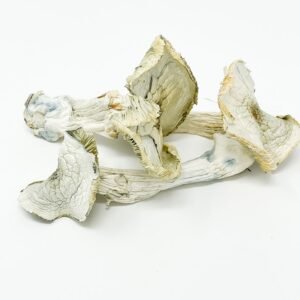
If you are searching for a gourmet ingredient with a distinctive flavor, Mushroom Matsutake are an exceptional choice. Known for their strong, spicy aroma and firm texture, matsutake mushrooms are highly prized in Japanese and Asian cuisine. Their rare appearance and unique scent make them a delicacy that instantly elevates any dish. At PsychedelicTripGateway.com, we provide premium matsutake mushrooms so you can enjoy authentic quality and flavor in your culinary creations.
When it comes to matsutake mushrooms, quality is key. Our mushrooms are carefully harvested from trusted sources to ensure freshness and retain their natural aroma and umami-rich taste. Matsutake mushrooms are naturally rich in antioxidants, vitamins, and minerals, making them both a flavorful and nutritious addition to your meals.
Additionally, their rarity and delicate nature make them a gourmet favorite for chefs and home cooks alike. By choosing our matsutake mushrooms, you gain access to a premium ingredient that is sustainably sourced, authentically prepared, and ready to enhance a variety of dishes. Their firm texture holds up beautifully during cooking, making them perfect for soups, stir-fries, rice dishes, and more.
Preparing matsutake mushrooms is simple yet rewarding. For fresh matsutake, gently clean and slice them before cooking. They can be lightly grilled, sautéed, or incorporated into rice dishes and soups, where their natural aroma can shine. If using dried matsutake, soak them in warm water to rehydrate before adding to recipes. The soaking liquid can be used as a flavorful broth, enhancing soups, sauces, and stews. With their distinctive aroma and umami-rich profile, matsutake mushrooms transform ordinary meals into extraordinary culinary experiences.
In conclusion, matsutake mushrooms are a rare and luxurious ingredient that brings unparalleled flavor and aroma to your kitchen. With their unique taste, firm texture, and nutritional benefits, they are a must-have for culinary enthusiasts seeking gourmet excellence. Explore our selection today at PsychedelicTripGateway.com and enjoy the finest matsutake mushrooms delivered directly to your door.
Matsutake is a premium wild edible mushroom associated primarily with Tricholoma species. Tricholoma matsutake is the best-known species, particularly in Japan.
Their price is influenced by wild harvesting, seasonal availability, strong culinary demand, labor-intensive collection, and the difficulty of reliable commercial cultivation.
Matsutake has a distinctive savory, earthy and spicy flavor with a powerful pine-like, woody, and forest-like aroma.
They occur in suitable forest ecosystems across parts of Asia and North America and form ectomycorrhizal relationships with compatible trees.
Reliable large-scale cultivation remains difficult because matsutake depends on complex relationships with host trees and forest soil. Research continues to investigate cultivation techniques.
Simple preparations such as grilling, rice dishes, soups, and steamed dishes are popular because they allow the mushroom’s distinctive aroma to remain prominent.
Yes. Drying is one method used to preserve matsutake and can provide a convenient option when fresh mushrooms are unavailable.
Matsutake contains protein, fiber, carbohydrates, minerals, amino acids, and other naturally occurring compounds. Nutritional values vary depending on origin and maturity.
Research has investigated potential biological activities of matsutake compounds, including antioxidant and immune-related effects. However, much of the evidence is experimental, so these findings should not be presented as proof that matsutake treats or prevents disease.
Freshness is generally associated with firm texture, intact structure, appropriate aroma, and the absence of significant spoilage. Storage conditions and harvest timing also influence quality.
Properly identified and appropriately handled matsutake are valued edible mushrooms. However, wild mushrooms can have lookalikes, so reliable identification is essential.
Matsutake mushrooms represent a fascinating intersection of culinary tradition, fungal biology, forest ecology, and specialty food commerce. Their distinctive aroma and firm texture have made them highly desirable, while their dependence on complex forest relationships has made dependable cultivation exceptionally challenging.
From an ecological perspective, matsutake are much more than the mushroom visible above the soil. Their underground mycelium interacts with host-tree roots and contributes to a specialized forest ecosystem. From a culinary perspective, their intense fragrance makes them particularly valuable in simple seasonal dishes. From a scientific perspective, researchers continue to investigate their genetics, chemistry, nutrition, ecology, and cultivation.
Whether you are researching matsutake mushrooms, learning about their culinary uses, comparing fresh and dried products, or exploring their ecological importance, understanding the complete life cycle of this remarkable fungus provides a better appreciation of why matsutake remains one of the world’s most distinctive and valuable wild mushrooms.
Important Food-Safety Note: Wild mushroom identification should be performed by qualified or experienced experts. Never consume a wild mushroom solely because it resembles a photograph or description found online.
| Quantity | oz, qp, hp, lbs |
|---|

Reviews
There are no reviews yet.