
Online Psychedelic Shop
Price range: $180.00 through $780.00
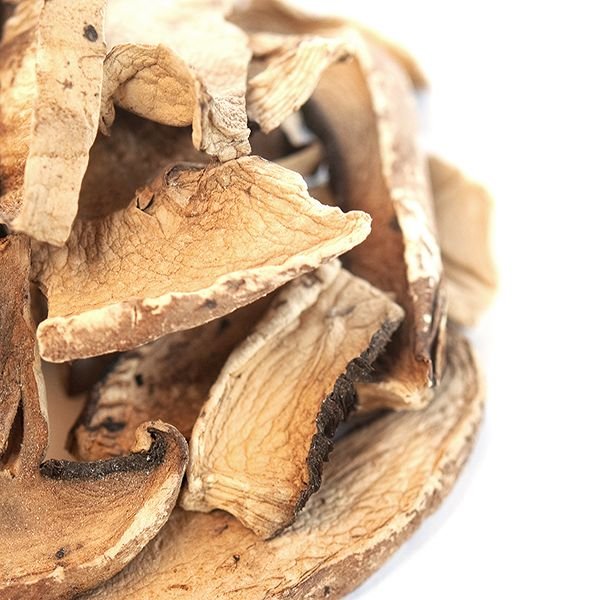
Portabella mushrooms are large, mature mushrooms recognized for their broad caps, exposed dark gills, firm texture, and rich savory flavor. They are among the most popular cultivated edible mushrooms and are widely used in home cooking, restaurants, vegetarian dishes, plant-based meals, grilling, roasting, stuffing, pasta, soups, sandwiches, and sauces.
Portabella mushrooms are scientifically classified as Agaricus bisporus, the same species associated with white button and cremini mushrooms. The major distinction is the stage at which the mushrooms are harvested. When Agaricus bisporus is allowed to mature, the mushroom develops a larger cap, darker gills, stronger flavor, and firmer texture.
This detailed guide explores what Portabella mushrooms are, how they develop, how to identify fresh mushrooms, their nutritional profile, potential nutritional advantages, cooking methods, storage, cultivation, food safety, sustainability, and differences between Portabella mushrooms and other popular edible mushroom varieties.
Portabella mushrooms are mature fruiting bodies of Agaricus bisporus. They are typically harvested after developing a large, expanded cap and prominent dark-brown gills.
The mushroom’s mature structure makes it particularly useful for recipes requiring a substantial ingredient. Unlike smaller mushrooms that may be chopped or added as a secondary ingredient, a whole Portabella cap can become the centerpiece of a meal.
Portabella mushrooms are commonly sold fresh, although preserved and processed forms may also be available.
The scientific name for Portabella mushrooms is Agaricus bisporus.
They belong to the fungal classification:
Understanding the scientific classification is important because the name “Portabella” refers primarily to a culinary and commercial form rather than a completely separate mushroom species.
Yes. Portabella and Portobello are commonly used names for mature Agaricus bisporus mushrooms.
You may see different spellings depending on the retailer, restaurant, cookbook, or region. Other descriptions can include mature button mushroom or mature Agaricus bisporus.
Despite differences in spelling, these names generally refer to the same familiar large, mature mushroom.
White button mushrooms and Portabella mushrooms are both forms of Agaricus bisporus.
The main differences relate to maturity and physical characteristics.
White button mushrooms are generally harvested at an earlier stage. They have:
Portabella mushrooms are harvested at a more mature stage and typically have:
Therefore, Portabella mushrooms are not simply a completely different species from white button mushrooms.
Cremini mushrooms are another common form of Agaricus bisporus.
Cremini mushrooms are generally brown and harvested before reaching the large mature stage associated with Portabella mushrooms.
A simple comparison is:
White button → young form
Cremini → intermediate brown form
Portabella → mature large form
The exact commercial terminology and harvesting practices can vary, but all three are closely associated with Agaricus bisporus.
Portabella mushrooms have a distinctive mature appearance.
Typical characteristics include:
The cap can become several inches across, although size varies according to cultivation and harvesting conditions.
Identification of commercially cultivated Portabella mushrooms is relatively straightforward.
Look for the combination of:
However, commercially cultivated Portabella mushrooms should not be confused with unidentified wild mushrooms. Wild mushrooms can include species that resemble edible varieties but may be unsafe.
The cap is the most prominent part of the mature mushroom.
As the mushroom develops, the cap expands and becomes increasingly broad. Its large surface makes it particularly suitable for:
The cap can be cooked whole or sliced into smaller pieces.
The dark gills underneath a mature Portabella cap are one of its most recognizable features.
These structures are part of the mushroom’s reproductive system and are associated with spore production.
The dark color of mature gills is normal and should not automatically be interpreted as spoilage.
Some recipes call for removing the gills, while others leave them intact.
Removing the gills is a matter of culinary preference rather than a universal requirement.
Some cooks remove them because:
Other cooks leave them in place because the gills are edible and contribute to the mushroom’s mature flavor.
The stem is firm and edible when fresh, although it can be tougher than the cap.
Depending on the recipe, the stem can be:
Removing the stem can also create additional space when preparing stuffed Portabella mushrooms.
Portabella mushrooms have a deeper and more developed flavor than young white button mushrooms.
Their flavor is commonly described as:
The flavor becomes particularly noticeable when mushrooms are browned through grilling, roasting, or searing.
Texture is one of the primary reasons Portabella mushrooms are popular.
The mature mushroom has a substantial structure that can remain firm during cooking.
Properly cooked Portabella mushrooms can have a:
Cooking technique strongly influences the final texture.
Portabella mushrooms are naturally low in calories and can provide several nutrients as part of a varied diet.
Their nutritional composition can include:
Nutritional values can vary according to growing conditions, maturity, storage, preparation, and serving size.
For precise nutritional information, consumers should check the nutrition label or product-specific laboratory data.
Portabella mushrooms contain protein, although mushrooms are generally not considered equivalent to concentrated protein foods such as legumes, eggs, dairy products, fish, or meat.
Their value in meals comes from a combination of nutrients, flavor, texture, and low energy density.
They can complement other protein-rich ingredients in balanced meals.
Mushrooms contain dietary fiber and other complex carbohydrates.
Adding mushrooms to meals can therefore contribute to overall dietary variety and fiber intake.
The amount of fiber depends on the mushroom, serving size, and preparation method.
Agaricus bisporus mushrooms can contribute several micronutrients.
Depending on growing and processing conditions, Portabella mushrooms may provide:
The precise nutritional profile varies, so product-specific information should be used when exact values are important.
Mushrooms have an unusual relationship with vitamin D.
They naturally contain ergosterol, which can be converted into vitamin D2 when exposed to suitable ultraviolet light.
As a result, some commercially produced mushrooms may contain meaningful amounts of vitamin D depending on how they were grown or processed.
Not every Portabella mushroom has the same vitamin D content, so consumers should check the product label when vitamin D intake is a specific concern.
Agaricus bisporus has been investigated for a variety of naturally occurring compounds.
Research has examined substances including:
These compounds have generated interest in food science and nutritional research.
It is important to distinguish scientific investigation from medical claims. Research findings do not automatically establish that eating Portabella mushrooms prevents, treats, or cures a disease.
Portabella mushrooms can contribute to a balanced eating pattern in several ways.
They provide a combination of vitamins, minerals, fiber, and other naturally occurring compounds.
Fresh mushrooms contain a high proportion of water and can add volume and flavor without contributing large amounts of calories by themselves.
Their natural umami character can add depth to meals and may help create satisfying dishes without requiring large quantities of heavy ingredients.
Portabella caps can serve as a substantial component in vegetarian and plant-forward meals.
Portabella mushrooms can be prepared using almost any common cooking technique.
Popular methods include:
High-heat cooking can help develop browning and intensify the mushroom’s savory flavor.
Grilling is one of the most popular methods for whole Portabella caps.
A general process involves:
Avoid excessive cooking if you want the mushroom to retain a substantial texture.
Roasting can create concentrated flavor and browned edges.
Portabella caps can be seasoned with ingredients such as:
Arrange mushrooms with adequate space between them to encourage browning rather than excessive steaming.
Sautéing sliced Portabella mushrooms is a quick way to prepare them for meals.
Use a suitable pan and allow excess moisture to evaporate during cooking. Avoid overcrowding the pan because mushrooms naturally release water.
Sautéed Portabella mushrooms can be added to:
Large Portabella caps are particularly suitable for stuffing.
Popular fillings include:
The cap acts as a natural container, making it convenient for baked and roasted recipes.
A grilled Portabella cap is commonly used as a plant-based burger ingredient.
The mushroom can be served with:
Because Portabella mushrooms have a substantial texture, they can provide a hearty alternative to smaller sliced mushrooms in sandwiches.
Sliced Portabella mushrooms pair well with pasta because their savory flavor works with many sauces.
They can be combined with:
Portabella mushrooms can contribute texture and savory flavor to soups and stews.
Their mature flavor works particularly well with:
Sliced Portabella mushrooms can be stir-fried with vegetables and sauces.
Their firm structure allows them to retain a satisfying texture when cooked quickly at relatively high heat.
Fresh mushrooms should be cleaned carefully before cooking.
Remove visible soil or debris using a soft brush, clean cloth, or brief rinse when appropriate.
Avoid unnecessarily soaking mushrooms for long periods.
After cleaning, pat them dry so that excess water does not interfere with browning.
Fresh Portabella mushrooms should generally be refrigerated.
For better quality:
Follow the storage instructions supplied by the producer or retailer.
Storage life depends on the mushroom’s freshness, packaging, refrigeration, humidity, and handling.
Instead of relying exclusively on a fixed number of days, inspect the mushrooms for quality.
Signs that mushrooms may no longer be suitable include:
When in doubt about spoiled food, discard it.
Portabella mushrooms can be preserved by freezing.
However, freezing can change their texture. Preparing or cooking the mushrooms before freezing may produce a more desirable result than freezing them completely raw.
Use appropriate freezer-safe packaging and minimize exposure to air.
Yes, mushrooms can be dehydrated.
Drying significantly reduces moisture and allows mushrooms to be stored for longer periods when properly processed.
Dried mushrooms can later be rehydrated and incorporated into:
Food safety is important when handling fresh mushrooms.
Purchase mushrooms from reliable sources and maintain appropriate refrigeration.
Before eating, inspect mushrooms for deterioration. Do not consume mushrooms that have obvious signs of spoilage.
Commercial Portabella mushrooms should also be distinguished from wild mushrooms. Never assume that an unidentified wild mushroom is safe simply because it resembles a cultivated Portabella mushroom.
Yes. Portabella mushrooms are a widely consumed cultivated edible form of Agaricus bisporus.
They are commonly cooked before consumption and are available through grocery stores, markets, restaurants, and food suppliers.
Some people consume commercially cultivated mushrooms raw, but cooking is a common preparation method.
Cooking changes the mushroom’s texture and flavor and can reduce certain food-safety concerns associated with raw produce.
Consumers should follow appropriate food-handling practices and product-specific recommendations.
Although mushrooms are commonly eaten foods, individual sensitivities and allergies can occur.
Anyone who experiences symptoms after consuming mushrooms should stop eating them and seek appropriate medical advice, particularly if symptoms are severe.
Commercial Portabella mushrooms are cultivated under controlled conditions.
Unlike many mushrooms that naturally grow on wood, Agaricus bisporus is commonly produced using specially prepared compost-based growing media.
The general cultivation process includes:
Mycelium is the vegetative network of a fungus.
During cultivation, Agaricus bisporus mycelium grows through the prepared growing medium before the environmental conditions are adjusted to encourage mushroom formation.
Healthy mycelial colonization is an important part of successful commercial production.
Commercial Agaricus bisporus production commonly uses carefully prepared compost-based substrates.
The growing medium must provide appropriate physical, chemical, and biological characteristics for mushroom development.
Important considerations include:
The casing layer is an important part of commercial cultivation.
It helps create a suitable microenvironment for fruiting and plays an important role in moisture management and mushroom development.
Proper casing conditions can influence the transition from vegetative mycelial growth to fruit production.
Temperature and humidity requirements change throughout cultivation.
Successful production requires environmental conditions appropriate to the particular growth stage.
Important variables include:
Commercial growers use environmental monitoring and climate-control systems to maintain consistency.
Unlike green plants, mushrooms do not depend on photosynthesis for their food production.
As a result, light plays a very different role in mushroom cultivation than it does in plant agriculture.
Cultivation environments are generally designed around the biological requirements of the mushroom rather than sunlight-driven photosynthesis.
Harvest timing influences mushroom appearance, size, texture, and market quality.
Mature Portabella mushrooms are typically harvested after developing their characteristic large caps and exposed gills.
Careful harvesting helps reduce damage and maintain product quality.
Portabella mushrooms are produced commercially at large scale.
Commercial operations must manage:
Consistency is particularly important because fresh mushrooms are perishable agricultural products.
When purchasing fresh Portabella mushrooms, look for:
Product quality can vary according to harvesting, transportation, storage, and retail conditions.
Restaurants use Portabella mushrooms in numerous dishes because of their size and versatility.
They can be used as:
Their mature texture makes them particularly useful in menu items where a substantial mushroom component is desired.
Portabella mushrooms are especially popular in plant-forward cooking.
Their large size and savory flavor make them useful in meals such as:
However, mushrooms should not automatically be considered nutritionally equivalent to meat. Their nutritional profile is different and they can be paired with legumes, grains, nuts, seeds, or other foods to create a balanced meal.
Mushroom cultivation is an important part of modern specialty and agricultural food production.
Mushrooms can be grown using specially prepared organic materials, and spent cultivation substrates may have additional agricultural or composting applications depending on local practices.
Efficient water use, substrate management, energy consumption, packaging, transportation, and waste management all influence the overall sustainability of mushroom production.
Several factors can affect the quality of a Portabella mushroom from cultivation to consumption.
These include:
For fresh mushrooms, proper cold-chain management is especially important.
Several preparation mistakes can negatively affect texture.
Too many mushrooms in a pan can cause excessive steaming instead of browning.
Wet mushrooms may take longer to brown and can become less appealing in texture.
Excessive cooking can cause mushrooms to become overly soft or dry.
Mushrooms can absorb and complement seasonings, so appropriate herbs, spices, oils, sauces, and aromatics can improve the final dish.
Portabella and shiitake mushrooms have different appearances and textures.
Portabella mushroom have large rounded caps and substantial flesh.
Shiitake mushrooms generally have umbrella-shaped caps and a distinctive savory flavor.
Both are popular culinary mushrooms, but they are used differently depending on the recipe.
Oyster mushrooms generally have fan-shaped caps and a more delicate structure.
Portabella mushroom have broader, denser caps and are particularly suitable for grilling, stuffing, and whole-cap preparations.
Oyster mushrooms are often used in stir-fries, soups, sautés, and roasted dishes.
King oyster mushrooms, also known as king trumpet mushrooms, are another species of Pleurotus.
They have thick stems and relatively smaller caps compared with Portabella mushrooms.
Portabella mushrooms are wider and flatter, while king oyster mushrooms are recognized for their thick, cylindrical stems.
Neither is universally better.
The choice depends on the recipe.
Choose Portabella mushroom when you want:
Choose cremini mushrooms when you want:
Among all edible mushrooms, portabella mushroom are celebrated for their rich, meaty texture and bold, earthy flavor. Often described as the “steak of mushrooms,” they make an excellent meat alternative for vegetarians while also serving as a flavorful side or topping in countless dishes. With their large caps and juicy texture, portabellas are a favorite choice for grilling, roasting, and stuffing.
One of the main reasons to include mushrooms in your meals is their combination of taste and nutrition. Packed with vitamins B and D, antioxidants, and fiber, they promote overall health while satisfying your cravings for hearty, savory food. Their substantial size and meaty bite also make them perfect for recipes where you want to reduce meat consumption without losing flavor or texture. As part of a diet rich in vegetables and fresh gourmet mushrooms, portabellas provide both nourishment and culinary satisfaction.
With modern convenience, it’s now simple to buy mushrooms online and have them delivered fresh to your door. Sourced from trusted growers, our portabella mushrooms are carefully handled to preserve their quality and flavor. By ordering online, you gain access to premium-quality mushrooms that you can enjoy year-round, whether you’re preparing a quick weekday meal or a weekend gourmet feast.
The versatility of portabella mushroom makes them a staple ingredient for both home cooks and professional chefs. Their large caps are ideal for stuffing with cheese, herbs, or vegetables, while their smoky flavor shines when grilled as a burger substitute. Additionally, they can be sliced into stir-fries, added to pasta sauces, or roasted alongside meats for a hearty side dish. Their ability to absorb seasonings and marinades ensures that every dish bursts with flavor.
Incorporating portabella mushroom into your recipes is a delicious way to enjoy healthy, gourmet meals at home. Easy to prepare, packed with nutrients, and versatile in countless dishes, these mushrooms are a must-have for any kitchen.
Portabella mushrooms are the mature form of Agaricus bisporus.
Yes. Portabella and Portobello are commonly used names for mature Agaricus bisporus mushrooms.
Yes. White button mushrooms and Portabella mushrooms are forms of Agaricus bisporus, harvested at different stages of maturity.
They can be a nutritious addition to a balanced diet and provide fiber, vitamins, minerals, and other naturally occurring mushroom compounds.
They generally have a savory, earthy, umami-rich flavor with a firm and substantial texture.
They can be grilled, roasted, baked, sautéed, pan-seared, stuffed, stir-fried, or added to soups, sauces, pasta, burgers, and sandwiches.
No. Removing the gills is optional and primarily depends on the recipe and personal preference.
Fresh Portabella mushrooms should generally be refrigerated and protected from excessive moisture and condensation.
Yes, although freezing can change their texture. Proper preparation before freezing can help preserve quality.
Yes, but Agaricus bisporus cultivation can be more demanding than some beginner mushroom-growing methods because it requires suitable compost-based growing media and controlled environmental conditions.
Yes. Agaricus bisporus is one of the world’s most widely cultivated edible mushroom species.
Portabella mushrooms are a versatile and distinctive form of Agaricus bisporus. Their large caps, dark mature gills, firm texture, and rich savory flavor make them especially valuable for grilling, roasting, stuffing, sandwiches, burgers, pasta, soups, sauces, and plant-forward meals.
Beyond their culinary applications, Portabella mushrooms are also an important subject of nutritional, agricultural, food-science, and cultivation research. They provide fiber, vitamins, minerals, and naturally occurring compounds while remaining a relatively low-calorie food ingredient.
Whether you are researching Portabella mushroom nutrition, cooking methods, cultivation, storage, identification, recipes, or differences between Portabella, cremini, and white button mushrooms, understanding their biology and maturity helps explain why this mushroom has become one of the most popular edible mushrooms worldwide.
| Quantity | oz, qp, hp, lbs |
|---|

Reviews
There are no reviews yet.