
Online Psychedelic Shop

Original price was: $290.00.$240.00Current price is: $240.00.
An ecstasy pill is a tablet commonly associated with MDMA, a psychoactive substance known for producing changes in mood, energy, perception, and emotional experiences. Although the terms “ecstasy” and “MDMA” are frequently used interchangeably, a tablet sold as ecstasy cannot be assumed to contain a particular substance or a predictable amount of MDMA.
Understanding ecstasy pills requires looking beyond their appearance or name. Tablet color, logos, shape, and packaging do not reliably establish chemical composition. This is particularly important because illicitly produced tablets may contain unexpected substances or varying concentrations of active ingredients.
This guide explains what ecstasy pills are, how MDMA can affect the body and brain, potential risks and side effects, drug interactions, testing considerations, emergency warning signs, research, and legal considerations.
An ecstasy pill is a tablet marketed or described as containing MDMA. MDMA stands for 3,4-methylenedioxymethamphetamine and is a synthetic psychoactive compound.
Ecstasy tablets can vary considerably in appearance and composition. Two tablets that look identical may not necessarily contain the same substances or concentration.
Because illicit tablets are not produced under standardized pharmaceutical manufacturing conditions, their contents can be difficult to determine from appearance alone.
MDMA is a synthetic psychoactive substance that affects several neurotransmitter systems in the brain, particularly serotonin, dopamine, and norepinephrine.
Its effects can include changes in mood, sensory perception, energy, emotional experiences, and social interaction.
MDMA has also been investigated in controlled scientific and clinical research. Research environments differ substantially from unsupervised recreational use because researchers can control factors such as substance identity, dose, participant screening, monitoring, and medical supervision.
The terms are often used interchangeably, but there is an important distinction.
MDMA refers to a specific chemical compound. Ecstasy commonly refers to tablets sold as containing MDMA.
A tablet labeled or marketed as ecstasy cannot automatically be assumed to contain pure MDMA. It may contain other substances, mixtures, or an amount of active material that differs from what a person expects.
For this reason, the name or appearance of a pill is not sufficient evidence of its actual contents.
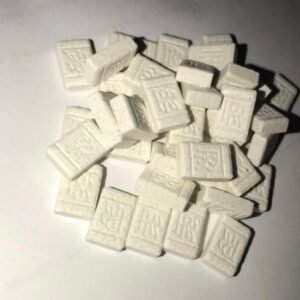
Ecstasy tablets can come in many different forms. They may vary in:
Some tablets have distinctive logos or patterns intended to make them recognizable. However, these characteristics do not provide a reliable chemical identification.
A particular logo does not guarantee a particular composition, and the appearance of a tablet can change between production batches.
A tablet sold as ecstasy may contain MDMA, but the actual contents can vary.
Depending on the source and production process, tablets may contain:
The presence and concentration of these compounds cannot reliably be determined simply by looking at a tablet.
Illicitly produced tablets do not necessarily follow standardized manufacturing procedures. Different producers, batches, and production methods can result in substantial differences in composition.
This variability is one reason why assumptions based on a pill’s name, logo, color, or previous experience can be misleading.
MDMA influences several neurotransmitters involved in mood, reward, attention, and physiological regulation.
Serotonin plays an important role in mood and other functions, while dopamine and norepinephrine contribute to reward, motivation, alertness, and physiological stimulation.
The interaction of these systems contributes to the psychological and physical effects associated with MDMA.
MDMA can produce physiological changes including increased heart rate, elevated blood pressure, increased alertness, sweating, muscle tension, and changes in body temperature.
The intensity of these effects can vary considerably between individuals.
Environmental conditions can also matter. Physical exertion, crowded environments, and high temperatures can increase physiological stress.
The effects associated with MDMA can involve both psychological and physical changes.
Some people report increased sociability, elevated mood, emotional closeness, increased energy, and heightened sensory experiences.
Other people may experience anxiety, nausea, confusion, agitation, or uncomfortable physical symptoms.
Reported psychological effects can include:
The experience can vary significantly depending on individual characteristics and the actual contents of the substance.
Physical effects may include:
Some physical effects can become dangerous when severe.
MDMA can alter emotional experiences and sensory perception. Some people describe increased feelings of connection or empathy, while others may experience nervousness, anxiety, confusion, or agitation.
These effects are not guaranteed and can differ substantially from one person to another.
Short-term effects may include changes in mood, energy, alertness, sensory perception, heart rate, blood pressure, and body temperature.
The presence and intensity of these effects depend partly on the actual substance involved.
Unwanted effects may include:
Severe symptoms require medical attention.
The timing of effects can vary according to several factors, including the substance’s composition, individual metabolism, and whether other substances have been used.
Because tablets sold as ecstasy may contain unexpected compounds, their onset and duration cannot be predicted reliably from the tablet’s appearance.
Factors that may influence the timing and intensity of effects include:
MDMA’s noticeable effects generally occur over several hours, although this varies between individuals and substances.
Some after-effects can last longer than the main psychoactive experience.
Some people experience fatigue, difficulty sleeping, changes in appetite, or temporary changes in mood after the main effects have ended.
The experience can vary widely and may be influenced by sleep, hydration, environmental conditions, individual physiology, and other substances.
Ecstasy pills can involve significant risks, particularly because their actual composition and strength may be uncertain.
Potential risks include cardiovascular stress, overheating, dehydration or excessive fluid intake, psychological distress, and adverse interactions with other substances.
Potential physical complications can include:
Severe reactions can require emergency medical treatment.
Psychological effects can include anxiety, agitation, confusion, panic, and changes in mood.
Individual responses vary, and people with existing psychological or medical concerns may require additional caution.
MDMA can increase body temperature. This can become particularly concerning in hot environments or during prolonged physical activity.
Severe overheating is a medical emergency.
Warning signs can include severe confusion, collapse, seizures, loss of consciousness, or extremely elevated body temperature.
Sweating and physical activity can contribute to fluid loss. However, drinking excessive amounts of water can also be dangerous because MDMA may interfere with the body’s ability to regulate fluids.
Maintaining appropriate hydration is therefore more complicated than simply consuming as much water as possible.
Excessive water consumption can contribute to dangerously low sodium levels in the blood, a condition known as hyponatremia.
Severe hyponatremia can cause confusion, seizures, loss of consciousness, and other life-threatening complications.
MDMA can increase heart rate and blood pressure. These effects may create additional strain on the cardiovascular system, particularly for individuals with certain underlying conditions.
Chest pain, severe shortness of breath, fainting, or collapse should be treated as emergency symptoms.
Some individuals may experience anxiety, panic, agitation, or confusion after taking MDMA or an unknown tablet.
Severe confusion or unusual behavior may indicate a serious adverse reaction, particularly when accompanied by overheating, seizures, or loss of consciousness.
Emergency medical assistance is appropriate when someone develops severe symptoms such as:
Yes. The risks associated with ecstasy pills depend not only on MDMA itself but also on the uncertainty surrounding illicit tablet composition.
Tablets can contain different amounts of active substances. A tablet’s physical appearance does not reliably indicate its concentration.
This makes assumptions based on previous experiences unreliable.
Unexpected substances can produce different effects and may interact with other drugs or medications.
A person may believe they are taking one compound when the tablet actually contains something different.
Responses can vary according to:
Combining MDMA with other substances can increase uncertainty and potentially increase health risks.
Yes. MDMA can interact with medications and other substances that affect serotonin, cardiovascular function, or the central nervous system.
Anyone taking prescription medication should consult a qualified healthcare professional or pharmacist about potential interactions.
Combining psychoactive substances can produce effects that are difficult to predict.
Interactions may affect:
MDMA substantially affects serotonin signaling. Combining it with other substances that influence serotonin can potentially increase the risk of serious adverse effects.
People taking medications that affect serotonin should seek professional medical advice before using psychoactive substances.
Different substances can interact in ways that amplify or alter their individual effects.
This is particularly concerning when the identity or concentration of one or more substances is unknown.
Drug checking refers to analytical approaches used to examine the contents of substances.
Depending on the technology and service available, testing may help identify certain compounds or detect unexpected substances.
Drug checking is a form of chemical analysis intended to provide information about the contents of a substance.
Different testing methods have different capabilities and limitations.
A test result should not automatically be interpreted as proof that a substance is safe.
No. Color is not a reliable method for determining the contents of a tablet.
No. Logos and imprints are not reliable chemical identifiers.
The same logo can appear on tablets with different contents, and different tablets can contain similar substances.
Testing technologies differ in sensitivity, specificity, and ability to identify particular compounds.
A test may also be affected by sampling issues, mixtures, or substances that the test was not designed to detect.
Visual characteristics can provide descriptive information but cannot establish chemical identity, purity, or strength.
Understanding potential hazards is an important part of drug-safety education.
Serious warning signs include:
If someone develops severe symptoms, seek emergency medical assistance immediately.
Tell medical professionals what substances may have been involved when possible. Accurate information can help healthcare professionals determine appropriate treatment.
MDMA can increase body temperature. Hot environments, crowding, and prolonged physical activity can increase physiological stress.
Emergency assistance should be sought for severe or rapidly worsening symptoms, especially seizures, unconsciousness, severe overheating, breathing difficulties, chest pain, or collapse.
Extremely elevated body temperature can be life-threatening and requires urgent medical attention.
A seizure following suspected MDMA or unknown-substance exposure requires emergency medical assessment.
Unresponsiveness or loss of consciousness should always be treated as a medical emergency.
Breathing difficulties can indicate a serious reaction and require immediate medical assistance.
Chest pain following stimulant or psychoactive substance exposure should be treated seriously.
Severe confusion, especially when accompanied by overheating or abnormal behavior, may indicate dangerous toxicity.
Collapse or unresponsiveness requires immediate emergency assistance.
MDMA can affect mood, emotional experiences, and psychological functioning.
Some people experience anxiety or panic during or after MDMA exposure. The psychological environment and individual circumstances can influence these experiences.
Changes in mood can occur during the effects and afterward. Some individuals report temporary low mood or fatigue following MDMA exposure.
After-effects may include:
There is no single experience that applies to everyone. Differences in physiology, substance composition, environment, medications, and other factors can significantly influence outcomes.
MDMA has been the subject of scientific research for decades.
Researchers have investigated MDMA’s effects on the brain, nervous system, cardiovascular system, mood, and behavior.
Research findings should be interpreted in the context of the specific study design and population.
Controlled research differs from illicit recreational use because researchers can monitor participants and control variables such as substance identity, dose, setting, and medical supervision.
Research areas include:
Clinical studies use defined procedures and eligibility criteria. Recreational substances may involve uncertain composition and uncontrolled environmental factors.
Research findings therefore should not automatically be generalized to unregulated tablets.
The legal status of MDMA varies by country and jurisdiction.
In many jurisdictions, MDMA is controlled under drug laws. Specific rules concerning possession, production, distribution, research, and medical use vary.
Drug laws are jurisdiction-specific and can change over time. Anyone seeking legal information should consult current laws and official government resources for the relevant location.
Penalties and restrictions can depend on factors including the amount involved, intended use, possession, distribution, and jurisdiction.
Scientific research involving controlled substances may require appropriate institutional authorization, licensing, storage procedures, and regulatory approval.
An ecstasy pill is a tablet commonly marketed as containing MDMA. However, its actual contents cannot be reliably determined from its appearance or name alone.
The terms are frequently used interchangeably, but MDMA is a specific chemical compound while ecstasy generally refers to tablets marketed as containing MDMA.
Possible effects include elevated mood, increased energy, sociability, altered sensory perception, increased heart rate, sweating, and increased body temperature. Unwanted effects can also occur.
The duration varies between individuals and substances. Effects generally occur over several hours, while some after-effects may last longer.
Yes. Tablets sold as ecstasy may contain substances other than MDMA or may contain varying amounts of active compounds.
No. Color, shape, logo, and imprint cannot reliably establish the chemical contents or strength of a tablet.
Potential side effects include nausea, sweating, muscle tension, jaw clenching, increased heart rate, elevated blood pressure, anxiety, and increased body temperature.
Yes. MDMA can increase body temperature, and the risk may increase in hot environments or during prolonged physical activity.
Yes. MDMA can interact with medications and other substances, particularly those affecting serotonin or cardiovascular function. Professional medical advice is appropriate when medication interactions are a concern.
Severe and potentially life-threatening reactions can occur following MDMA exposure or exposure to unknown substances sold as ecstasy.
Severe overheating, seizures, loss of consciousness, breathing difficulties, chest pain, severe confusion, collapse, and unresponsiveness are important emergency warning signs.
MDMA may be detected through biological testing methods such as urine, blood, saliva, or hair testing, depending on the circumstances and testing method.
The legal status varies by jurisdiction. In many countries, MDMA is a controlled substance.
Appearance does not establish chemical composition. Different batches or producers can use different ingredients or concentrations while producing tablets with similar appearances.
Ecstasy pills are commonly associated with MDMA, but their actual contents and strength may be uncertain. Understanding the distinction between MDMA and tablets sold as ecstasy is important when evaluating information about effects and risks.
The potential effects involve both psychological and physical changes, including alterations in mood, sensory perception, heart rate, blood pressure, and body temperature. Severe symptoms such as seizures, extreme overheating, chest pain, breathing difficulties, collapse, or unconsciousness require emergency medical attention.
Step into a world of pure energy and emotional elevation with Orange Sprite MDMA Pills—a bold and refreshing choice for those who seek a vibrant, high-quality ecstasy experience. With their distinct orange color and playful Sprite logo, these pills don’t just stand out in appearance—they also deliver a powerful, clean MDMA hit that users rave about. Whether you’re preparing for a night out, a music festival, or an intimate gathering, Orange Sprite offers a balanced blend of euphoria and stimulation that lasts.
Recognized for both its potency and smooth comedown, Orange Sprite continues to gain popularity in the rave and club scene for good reason.
One of the most praised qualities of Orange Sprite MDMA is their exceptional purity. Typically containing 180mg to 220mg of premium-grade MDMA, these tablets offer a strong but manageable experience. That’s why it’s recommended to start with half a pill, especially if you’re new or sensitive to MDMA.
Unlike many low-grade alternatives, Orange Sprite delivers a smooth and clean high. As a result, users frequently report deep emotional connection, intense sensory pleasure, and an uplifting, heart-opening journey that’s both powerful and positive. This makes it ideal for connecting with others, immersing in music, or simply enjoying a deeper sense of self-awareness.
Perfect for Social and Solo Journeys
Orange Sprite pills aren’t just for dance floors—they’re also perfect for more introspective or emotional settings. The effects usually kick in within 30 to 60 minutes and can last for 4 to 6 hours. During this time, many users experience increased empathy, a rush of euphoria, and a heightened appreciation for light, sound, and touch.
Thanks to its high-quality press and pure MDMA content, the comedown is gentle, especially when supported with hydration, rest, and post-roll supplements like 5-HTP. Consequently, Orange Sprite is favored not just for the peak effects but also for how it leaves you feeling afterward—refreshed and mentally clear.
Why Orange Sprite MDMA Pills Stand Out
In summary, Orange Sprite MDMA Pills are a go-to choice for users who demand quality, consistency, and an unforgettable roll. Their strong yet clean effects, appealing design, and trusted reputation make them a standout in today’s ecstasy scene. Always use responsibly, and source from verified, trusted suppliers for the safest experience.



Reviews
There are no reviews yet.