
Online Psychedelic Shop
Price range: $80.00 through $770.00
NN DMT, commonly referred to as DMT, is a powerful psychedelic compound belonging to the tryptamine family. Its full chemical name is N,N-dimethyltryptamine. DMT has attracted considerable scientific interest because it can produce profound changes in perception, cognition, emotion, and the sense of self.
Unlike many substances that produce effects over several hours, DMT is generally associated with a comparatively brief but intense psychedelic experience when administered through routes that result in rapid absorption. The short duration does not mean that the substance is risk-free. Physiological reactions, psychological distress, interactions with other substances, and uncertainty about the composition of unregulated products can create significant risks.
Scientific interest in DMT includes research into serotonin receptors, altered states of consciousness, neurobiology, subjective psychedelic experiences, and potential therapeutic applications. Much of this research remains experimental, and findings from controlled laboratory studies should not automatically be interpreted as evidence that DMT is safe or effective as a treatment for any particular condition.
This guide explains what NN DMT is, how it interacts with the brain, reported effects, potential risks, drug interactions, research findings, testing considerations, and legal issues.
N,N-DMT stands for N,N-dimethyltryptamine. It is a naturally occurring psychedelic tryptamine that has been identified in various plants and has also been produced synthetically.
Chemically, DMT is structurally related to the neurotransmitter serotonin and to other naturally occurring tryptamines. Its molecular structure allows it to interact with several serotonin receptors in the central nervous system.
DMT is sometimes discussed in connection with traditional psychoactive preparations such as ayahuasca. However, DMT itself and ayahuasca are not interchangeable terms. Ayahuasca is a complex botanical preparation that can contain DMT along with other compounds that affect the metabolism of DMT.
DMT stands for N,N-dimethyltryptamine.
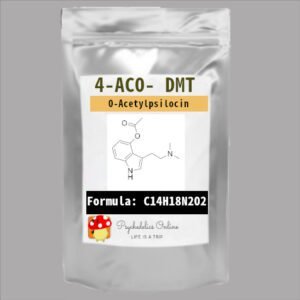
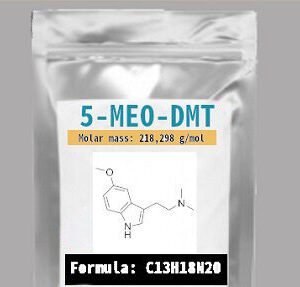
The term is sometimes used broadly online, but it is important to distinguish NN DMT from related compounds such as 5-MeO-DMT.
Although both are tryptamine psychedelics, they have different chemical structures, pharmacological profiles, and effects.
NN DMT and 5-MeO-DMT are separate substances.
N,N-DMT:
Confusing the two compounds can lead to incorrect assumptions about their effects, risks, or interactions.
DMT interacts with multiple serotonin receptors and other biological targets.
One of the most important mechanisms investigated in psychedelic research involves the 5-HT2A serotonin receptor. Activation of this receptor is associated with changes in cortical signaling, sensory processing, cognition, and perception.
DMT may also interact with other serotonin receptor subtypes and additional molecular systems. Researchers continue to investigate how these interactions contribute to the distinctive subjective effects associated with DMT.
DMT is structurally related to serotonin and interacts with several serotonin receptors.
The relationship between DMT and serotonin signaling is important because serotonin systems regulate numerous processes, including:
However, describing DMT simply as a substance that “increases serotonin” is inaccurate. Its pharmacology is more complicated and involves receptor activation rather than simply increasing serotonin concentrations throughout the brain.
DMT can produce profound alterations in consciousness. The intensity and character of the experience can vary considerably between individuals and circumstances.
Reported psychological effects include:
The experience can be psychologically overwhelming, particularly for individuals who are unprepared for the intensity of the altered state.
DMT can also produce measurable physical effects.
Reported or observed physiological responses can include:
The severity of physical effects can vary according to individual health, exposure circumstances, other substances involved, and the composition of the material.
DMT is associated with substantial changes in sensory and cognitive processing.
Research into psychedelic states suggests that these compounds can temporarily alter communication between brain networks involved in perception, attention, self-processing, and cognition.
Some individuals describe experiences involving dramatic changes in their normal sense of identity or reality.
These experiences may be perceived as meaningful or positive by some people, while others can experience fear, confusion, panic, or psychological distress.
There is no reliable way to predict exactly how an individual will respond.
DMT is particularly associated with striking alterations in visual perception.
Reported phenomena can include:
The presence and intensity of visual effects can vary substantially.
Visual phenomena should not be interpreted as evidence that a particular substance is chemically pure or correctly identified. Appearance and subjective effects cannot reliably establish the identity or composition of an unknown material.
The duration of DMT effects depends heavily on how the compound enters the body and how quickly it is absorbed and metabolized.
Rapidly absorbed forms can produce a relatively brief but intense psychedelic state compared with longer-acting psychedelics such as LSD or psilocybin.
However, “short duration” should not be interpreted as “low risk.” Psychological distress, impaired judgment, cardiovascular effects, or interactions with other substances can still create serious problems.
DMT research remains limited compared with the evidence base for many established medicines.
Potential risks include:
The risk profile can be particularly difficult to assess when the substance has been obtained from an uncontrolled source because its identity and concentration may not be verified.
Psychedelic experiences can be psychologically intense.
People may experience fear, anxiety, paranoia, confusion, or difficulty distinguishing ordinary surroundings from the altered experience.
Individuals with a personal or family history of certain psychiatric conditions may warrant particular caution because psychedelic states can potentially exacerbate psychological symptoms in susceptible individuals.
Research into therapeutic psychedelics generally occurs under controlled conditions involving screening, supervision, standardized substances, and structured follow-up. Those conditions are substantially different from uncontrolled exposure.
DMT can affect the cardiovascular system.
Possible acute changes include:
For individuals with cardiovascular disease or other relevant medical conditions, these physiological changes may be particularly important.
Research participants in controlled studies are commonly screened for medical conditions before receiving experimental psychedelic compounds.
DMT does not have the same dependence profile as substances such as opioids or nicotine, but that does not mean problematic use is impossible.
The scientific literature generally does not identify DMT as producing the same pattern of physical dependence associated with some other drug classes.
Nevertheless, repeated psychedelic use can become psychologically significant for some individuals, and risks can arise from impaired judgment, repeated exposure, polysubstance use, or attempts to recreate intense psychological experiences.
Psychedelic tolerance is an important area of pharmacological research.
Some classic psychedelics can produce rapid tolerance with repeated exposure. DMT appears to have a distinctive pharmacological profile, and its short duration and metabolism differentiate it from longer-lasting psychedelics.
However, tolerance should not be interpreted as a safety mechanism.
Interactions are among the most important safety considerations associated with DMT.
DMT interacts with serotonergic systems, meaning that combining it with other psychoactive or serotonergic substances may produce unpredictable effects.
Potentially relevant categories include:
Because individual medications and health conditions vary, interaction risks should be evaluated by a qualified healthcare professional or pharmacist.
Monoamine oxidase plays an important role in the metabolism of many monoamines.
MAO inhibition can substantially alter the pharmacological behavior of DMT and can also introduce additional interaction risks.
This is one reason ayahuasca pharmacology differs from isolated DMT pharmacology.
MAO-inhibiting compounds can interact with numerous medications and substances. Combining psychoactive compounds without professional medical guidance can therefore create unpredictable and potentially dangerous effects.
Serotonin syndrome is a potentially serious condition associated with excessive serotonergic activity.
Possible warning signs include:
Severe cases can become life-threatening.
Anyone who develops severe or rapidly worsening symptoms after combining serotonergic substances should receive emergency medical evaluation.
Combining psychoactive substances with alcohol can make effects more unpredictable.
Alcohol can impair judgment, coordination, and awareness while also contributing to dehydration and other physiological effects.
Because DMT can already produce substantial alterations in perception and cognition, combining substances can increase uncertainty and risk.
Combining DMT with other psychedelics can make the resulting experience less predictable.
Different psychedelic substances act on overlapping but not identical biological systems. Combining them may also make it more difficult to determine which substance is responsible if an adverse reaction occurs.
Severe toxicity is possible, particularly when DMT is combined with other substances or when an unknown product contains additional compounds.
Potential emergency warning signs can include:
If someone becomes unconscious, has a seizure, has difficulty breathing, develops severe chest pain, or cannot be safely awakened, emergency medical assistance should be sought immediately.
A major limitation in evaluating unregulated drug exposure is uncertainty about composition.
A material sold or represented as DMT may potentially contain:
Color, crystals, powder appearance, smell, or other physical characteristics cannot reliably establish chemical identity or purity.
Definitive identification generally requires appropriate analytical testing.
DMT is not included in every routine drug-screening panel.
Specialized analytical methods may be required depending on the purpose of testing and the biological sample involved.
Laboratories can use analytical techniques such as chromatography and mass spectrometry to identify specific compounds or metabolites.
Detection depends on factors such as:
Therefore, a general statement about a universal “DMT detection time” would be misleading.
DMT has become an important subject of modern psychedelic research.
Researchers are investigating several areas, including:
DMT provides researchers with an opportunity to investigate dramatic changes in consciousness over relatively short periods.
Studies have examined:
Scientists are investigating whether psychedelic compounds may have potential applications in areas such as mental health.
However, experimental research should not be confused with established medical treatment.
Evidence from clinical trials must be evaluated according to study design, sample size, controls, adverse events, follow-up duration, and replication.
DMT is also being investigated for its effects on:
Much remains unknown about the biological mechanisms underlying the full psychedelic experience.
DMT is closely associated with ayahuasca research.
Ayahuasca is a botanical preparation that traditionally combines plants containing DMT with plants containing compounds that inhibit monoamine oxidase.
This combination changes the way DMT is metabolized.
As a result, the pharmacology of ayahuasca cannot simply be treated as identical to isolated DMT.
Ayahuasca research has investigated psychological, neurological, cultural, and therapeutic questions, but findings should be interpreted within the context of the specific preparation and study conditions.
DMT has been identified in numerous plant species.
Its presence in plants has contributed to long-standing ethnobotanical and pharmacological interest.
However, the existence of DMT in a plant does not establish that every preparation made from that plant has the same chemical composition, concentration, or risk profile.
Botanical preparations can contain multiple compounds, and their chemical composition may vary.
These are chemically distinct tryptamines.
N,N-DMT is associated with intense perceptual and visual alterations, while 5-MeO-DMT has a different pharmacological profile and can produce a substantially different subjective experience.
Psilocybin is a naturally occurring psychedelic compound found in certain fungi and is converted in the body to psilocin.
DMT and psilocybin both interact with serotonergic systems but differ in chemistry, metabolism, duration, and subjective effects.
LSD is a potent synthetic psychedelic with a much longer duration of action than rapidly absorbed DMT.
Both substances can produce profound changes in perception and cognition, but their pharmacological and temporal profiles differ substantially.
The legal status of DMT varies by jurisdiction.
In many countries, DMT is controlled under drug laws. However, laws concerning plants containing DMT, traditional preparations, religious practices, research, possession, and use can differ significantly.
Legal status can also change over time.
Anyone researching the legal position of DMT should consult the relevant laws and official government sources for their jurisdiction rather than relying solely on general online summaries.
Research involving controlled substances may be subject to strict regulatory requirements.
Depending on the jurisdiction and study design, researchers may need:
Scientific research involving DMT is therefore substantially different from uncontrolled exposure.
N,N-DMT stands for N,N-dimethyltryptamine, a psychedelic tryptamine compound.
No. They are different chemical compounds with different pharmacological profiles.
DMT interacts with several serotonin receptors, including the 5-HT2A receptor, producing substantial changes in perception, cognition, and consciousness.
Reported effects include altered perception, vivid visual phenomena, changes in time perception, emotional changes, altered self-awareness, and profound changes in consciousness.
Yes. Possible adverse reactions include anxiety, panic, confusion, cardiovascular changes, psychological distress, and unpredictable reactions.
Yes. DMT can interact with other substances, particularly those affecting serotonergic or monoamine systems. Medication-specific questions should be discussed with a qualified healthcare professional.
DMT is not generally associated with the same physical dependence profile as substances such as opioids or nicotine. However, psychological and behavioral risks can still occur.
No. DMT can be one component of ayahuasca, but ayahuasca is a broader botanical preparation containing multiple compounds.
Specialized analytical testing can identify DMT or related compounds, but routine drug screens do not necessarily test for it.
Legal status varies by jurisdiction. Current local laws should be consulted for an accurate answer.
DMT is a powerful psychoactive substance capable of producing profound alterations in consciousness and perception.
The most important safety considerations include:
At onlinepsychedelicshop, we specialize in providing premium research compounds for academic and scientific purposes. Among our most sought-after products, you will find NN DMT for sale, a well-known tryptamine that continues to attract the attention of researchers worldwide. By sourcing only from trusted suppliers, we ensure that every product meets strict quality standards, giving you peace of mind when placing your order.
N,N-Dimethyltryptamine, commonly referred to as NN DMT, is a naturally occurring psychedelic compound found in various plants. Researchers are fascinated by its unique molecular structure and the profound role it plays in psychedelic studies. Because of its strong link to traditional use and modern scientific curiosity, the research chemical NN DMT has become a staple in laboratory environments. Therefore, having access to a high-purity version is essential for reliable results.
When choosing where to source this compound, it is crucial to find a reliable and secure provider. That is why we make it simple to buy NN DMT online with full transparency. Each batch undergoes rigorous checks to guarantee both consistency and purity, ensuring it is suitable for legitimate research purposes. In addition, our discreet packaging and trusted shipping methods make the purchasing process smooth and stress-free for researchers worldwide.
Not all suppliers can guarantee the same level of professionalism and product integrity. At onlinepsychedelicshop, we prioritize customer satisfaction by offering NN DMT for sale at competitive prices without compromising on quality. Furthermore, we are committed to providing fast shipping and responsive customer support, so you can focus entirely on your research. By choosing us, you gain access to a dependable source of premium-grade materials.
NN DMT is a scientifically significant psychedelic compound that has attracted increasing interest in neuroscience, pharmacology, consciousness research, and psychedelic science.
Its effects are associated with interactions involving serotonin receptors and can include profound changes in perception, cognition, emotion, and the sense of self. At the same time, the intensity of these effects means that DMT should not be treated as inherently harmless simply because some experiences are brief.
Research into DMT continues to develop, and scientists are still working to understand its mechanisms, subjective effects, potential therapeutic applications, and long-term implications. Controlled research settings provide important safeguards that are not necessarily present in uncontrolled environments.
For accurate information, readers should distinguish established pharmacological findings from preliminary research, anecdotal reports, and claims made about unregulated products.
| Quantity | 1g, 2g, 5g, 10g |
|---|


Reviews
There are no reviews yet.