
Online Psychedelic Shop

Price range: $185.00 through $820.00
Morel mushrooms are among the most highly regarded wild edible fungi in the world. Known for their distinctive honeycomb-shaped caps, hollow structure, earthy aroma, and rich savory flavor, morels are a sought-after seasonal ingredient for chefs, mushroom enthusiasts, foragers, and specialty food consumers.
The name “morel” generally refers to mushrooms belonging to the genus Morchella. Unlike many commercially cultivated mushrooms that are available throughout the year, morels have strong seasonal patterns and are closely associated with particular environmental conditions.
This comprehensive guide explains what morel mushrooms are, how they are identified, where they grow, when they appear, how they are prepared, how they compare with false morels, and the important safety considerations associated with wild mushroom consumption.
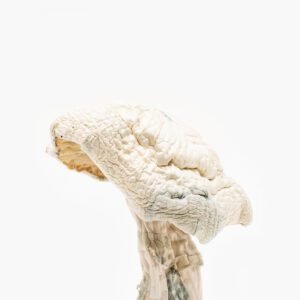
Morel mushrooms are edible fungi in the genus Morchella, a group containing numerous species and species complexes. They are characterized by their irregular, deeply pitted caps that create a honeycomb-like appearance.
The cap is generally attached to the stem, and a properly identified true morel typically has a hollow interior. Color can vary from pale cream and yellow to gray, tan, brown, and darker shades depending on species, maturity, environmental conditions, and location.
Morels are particularly valued for their culinary qualities. Their flavor is commonly described as earthy, nutty, savory, and slightly smoky, while their unusual texture provides another reason they are popular in gourmet cuisine.
Morels are fungi rather than plants. Like other mushrooms, they reproduce through spores rather than seeds.
The visible mushroom is the fruiting structure of a larger fungal organism that exists within its surrounding environment. The underground or substrate-associated fungal network interacts with soil, organic matter, vegetation, and environmental conditions.
Fruiting occurs when the combination of temperature, moisture, nutrients, and other ecological factors becomes favorable.
This explains why finding morels can be highly seasonal and why successful fruiting may vary considerably from one year to another.
Correct identification is one of the most important aspects of collecting wild mushrooms.
A typical true morel has several recognizable characteristics:
However, appearance can vary substantially between species and populations.
For that reason, identification should involve examining the entire mushroom rather than relying on color or cap appearance alone.
Morels have a distinctive appearance that separates them from many common mushrooms.
The cap contains numerous recessed pits surrounded by raised ridges. This creates the characteristic honeycomb appearance for which morels are known.
The stem is generally lighter than the cap, although coloration can vary. Mature specimens may become darker, larger, or more irregular than young mushrooms.
A useful identification process should examine:
No single characteristic should be used as the only basis for consuming a wild mushroom.
The genus Morchella contains numerous species and closely related groups. Scientists have identified substantial genetic and morphological diversity among morels throughout different regions.
Commonly discussed groups include yellow, black, and other morel groups, although common names and species classifications can vary.
Differences may include:
Modern mushroom classification increasingly uses genetic analysis alongside traditional physical characteristics because visually similar morels may represent genetically distinct groups.
Yellow morels are generally associated with lighter-colored caps that can range from yellow to tan or golden brown.
They are often associated with woodland environments and may appear during favorable spring conditions.
Their exact appearance can vary significantly depending on age, weather, habitat, and geographic location.
Black morels are commonly associated with darker caps and more pronounced ridges. They can occur in forest environments and are frequently associated with early spring emergence in some regions.
The distinction between different black-morel groups can be difficult based solely on appearance, making professional identification particularly valuable when species-level identification is required.
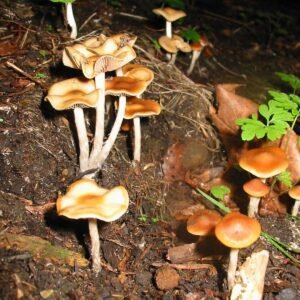
Morels can grow in a variety of habitats, but they are particularly associated with woodland and forest environments.
Depending on the species, morels may occur near:
The relationship between morels and surrounding vegetation is complex. Some species may form ecological associations with living trees, while others appear to have different ecological strategies.
Habitat is one of the most important factors for understanding where morels appear.
Successful fruiting can depend on a combination of:
A location that produces morels one year may produce fewer mushrooms the following year if environmental conditions change.
Morel season is strongly associated with spring in many regions.
The exact timing depends on local climate and environmental conditions. Soil temperature, rainfall, snowmelt, sunlight, elevation, and vegetation can all influence emergence.
Some areas may experience early-season morels while other regions produce fruiting later in spring.
Rather than relying on a specific calendar date, experienced foragers often monitor changing environmental conditions.
Weather plays an important role in determining when morels fruit.
A suitable combination of moisture and temperature can encourage fruiting, while excessively dry conditions may limit emergence.
Sudden changes in temperature can also influence the timing of the season.
This is one reason morel hunting can vary substantially from year to year even within the same geographic region.
Morels are part of complex forest ecosystems.
Fungi contribute to nutrient cycling and interact with organic material, soil organisms, vegetation, and other components of forest ecology.
The ecological role of individual Morchella species can differ, and researchers continue to investigate the relationships between morels, plants, soil environments, and disturbance.
Understanding these ecological relationships is important for both mushroom science and sustainable harvesting.
Some morel populations are associated with landscapes that have experienced wildfire or other forms of disturbance.
In certain regions, morels may fruit abundantly following fire, although this phenomenon is not universal and depends on species, environmental conditions, severity of disturbance, and subsequent weather.
The appearance of mushrooms after disturbance demonstrates how strongly some fungi respond to ecological changes.
One of the most important topics for anyone interested in wild mushrooms is distinguishing true morels from potentially dangerous lookalikes.
The term “false morel” can refer to several mushrooms that resemble true morels but belong to different fungal groups.
Some false morels can contain toxic compounds and may cause serious illness.
Because mushroom identification can be difficult, photographs and general descriptions should not be treated as a substitute for expert identification.
When there is uncertainty about a wild mushroom, it should not be consumed.
Properly identified true morels are widely consumed as edible mushrooms, particularly after appropriate cooking.
However, wild mushroom safety depends heavily on correct identification and preparation.
Some mushroom species that resemble morels can be toxic. In addition, even edible morels may cause adverse reactions when eaten raw or insufficiently cooked.
Therefore, identification and preparation are both essential.
Morels are generally cooked before consumption.
Raw or inadequately cooked morels may cause gastrointestinal or other adverse reactions in some individuals.
Cooking is therefore an important part of traditional culinary preparation.
People with known mushroom sensitivities or unusual reactions to mushrooms should exercise additional caution.
Important safety practices include:
When mushroom poisoning is suspected, prompt professional medical advice is important.
The deeply textured surface of morels can trap soil, insects, leaves, and other debris.
Before cooking, inspect each mushroom carefully and remove visible dirt or damaged portions.
Depending on their condition, morels may require careful cleaning before preparation. Excessive moisture should be avoided during storage because it can contribute to deterioration.
Morels are versatile culinary mushrooms and can be incorporated into many recipes.
Popular preparation methods include:
Butter, garlic, shallots, herbs, cream, and other ingredients can complement their natural flavor.
Morels have a complex flavor profile that is often described as earthy, nutty, savory, rich, and slightly smoky.
Their flavor can become especially pronounced when cooked with butter or incorporated into sauces.
The texture is also distinctive, combining a tender interior with a slightly firm or meaty structure depending on preparation.
Fresh and dried morels serve different culinary purposes.
Fresh morels offer a delicate texture and strong seasonal appeal but are highly perishable.
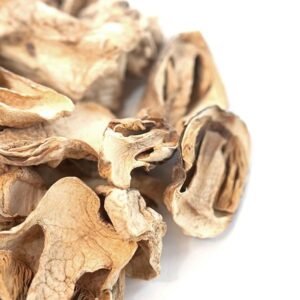
Dried morels are easier to store for longer periods and can provide concentrated mushroom flavor. They can be rehydrated before cooking, and the resulting liquid may also contribute flavor to sauces and other dishes when properly filtered.
Because fresh morels have a limited shelf life, preservation can extend their culinary usefulness.
Common preservation approaches include drying and other food-safe preservation techniques.
Proper dehydration removes moisture and allows mushrooms to be stored for significantly longer periods when protected from humidity.
Preservation methods should always follow appropriate food-handling practices.
Fresh morels should be handled carefully because their quality can deteriorate relatively quickly.
Short-term storage generally involves refrigeration under appropriate conditions.
For longer storage, dried morels can be kept in suitable airtight packaging in a cool, dry environment.
Always inspect mushrooms before use and discard specimens with significant spoilage, unusual odors, or other signs of deterioration.
Morel mushrooms contain a variety of naturally occurring nutrients and bioactive compounds.
Their nutritional composition may include dietary fiber, protein, minerals, vitamins, and other naturally occurring mushroom constituents. Exact nutritional values can vary according to species, maturity, growing conditions, and preparation method.
Dried mushrooms can have a substantially different nutrient concentration by weight because water has been removed.
Morels should be considered part of a varied diet rather than a substitute for medical treatment or professional nutritional advice.
As an edible fungus, morels can contribute nutrients to a balanced diet.
Their nutritional profile has generated interest in mushroom science, particularly concerning naturally occurring antioxidant and bioactive compounds.
Laboratory research into mushroom compounds continues to examine their biological properties. However, findings from laboratory or preliminary research should not automatically be interpreted as proven human health benefits.
Morels have an established reputation as a gourmet ingredient.
Their combination of scarcity, seasonal availability, unusual appearance, and distinctive flavor makes them particularly attractive to chefs.
They can be used in:
Their strong flavor means that even a relatively small quantity can add depth to a dish.
Morels can command premium prices for several reasons.
Their supply is strongly influenced by seasonal weather and natural fruiting conditions. Wild harvesting can also require substantial time and labor.
Additional factors include:
These factors contribute to the premium market value of many morel products.
Compared with mushrooms such as button mushrooms, oyster mushrooms, and shiitake, morels have historically been much more difficult to cultivate commercially.
Researchers have investigated methods for producing morels under controlled conditions, and commercial cultivation has developed in some areas.
However, cultivation remains more technically demanding than the production of many common edible mushrooms.
Growing morels is considerably more complicated than cultivating many common mushroom varieties.
Their biology and environmental requirements involve complex interactions between fungal growth, substrate, nutrients, temperature, moisture, and other ecological factors.
Successful cultivation therefore requires more than simply placing spores into soil.
Wild harvesting is traditionally carried out during the seasonal fruiting period.
Responsible harvesting should minimize damage to surrounding vegetation and fungal habitat.
Collectors should also understand local rules governing access, harvesting limits, protected areas, and private property.
Sustainable foraging is important because wild mushrooms are part of functioning ecosystems.
Good practices include:
Responsible foraging helps protect both mushroom habitats and future recreational opportunities.
When selecting fresh morels, examine their overall condition.
Look for mushrooms that are appropriately firm and free from obvious signs of extensive deterioration.
For dried morels, consider:
A reputable source should provide clear information about the product and its handling.
Morels have applications primarily as culinary mushrooms.
They can be used as:
Their versatility makes them useful across many styles of cooking.
Beyond their culinary importance, morels are also of interest to mycologists and researchers studying fungal biology.
Research areas can include:
Scientific research helps improve understanding of Morchella species and their relationships with their environments.
If you are searching for a truly gourmet ingredient, morel mushrooms are among the most prized in the culinary world. Known for their distinctive honeycomb shape and earthy, nutty flavor, morels are highly sought after by chefs and food enthusiasts alike. Because of their rarity and short growing season, they are considered a delicacy that elevates any dish. At PsychedelicTripGateway.com, we proudly offer premium morel mushrooms so you can enjoy their unmatched flavor and texture in your own kitchen.
Unlike ordinary varieties, morel mushrooms provide a rich umami taste that cannot be replicated. Their meaty texture makes them an excellent choice for both vegetarian and meat-based recipes, adding depth and character to every bite. Furthermore, they are naturally rich in antioxidants, vitamins, and minerals, making them a nutritious as well as delicious ingredient.
Because they are hand-foraged in the wild, every morel is carefully harvested to ensure freshness and quality. At PsychedelicTripGateway.com, we work with trusted sources to provide morel mushrooms that meet the highest culinary standards. Whether dried or fresh, they retain their signature aroma and deliver an extraordinary gourmet experience.
Preparing morel mushrooms requires just a few simple steps. If using dried morels, soak them in warm water for 15–20 minutes to rehydrate before cooking. The soaking liquid can also be used as a flavorful broth base, adding extra depth to soups and sauces. Fresh morels should be gently cleaned before sautéing, roasting, or simmering. They pair beautifully with butter, cream, garlic, and herbs, making them perfect for risottos, pasta dishes, or served alongside poultry and steak. With their bold flavor and delicate texture, morel mushrooms turn ordinary meals into fine dining experiences.
In conclusion, morel mushrooms are a rare delicacy that combines gourmet taste with nutritional value. Their earthy richness, versatility in cooking, and distinctive appearance make them a must-have for any serious food lover. At PsychedelicTripGateway.com, we make it simple to source premium morel mushrooms delivered straight to your door. Order today and discover why morels are considered one of the finest ingredients in the world of culinary arts.
Morel mushrooms are edible fungi belonging to the Morchella genus. They are recognized by their characteristic honeycomb-like caps and hollow structure.
Morels belong to the fungal genus Morchella. The genus contains numerous species and closely related groups.
They typically have irregular honeycomb-patterned caps, textured ridges, and a hollow interior. Their coloration varies among species.
Many morels fruit during spring, although timing varies according to geographic location, species, weather, elevation, and soil conditions.
They can occur in forests, woodland edges, orchards, river areas, and other suitable habitats depending on species and environmental conditions.
Properly identified true morels are widely eaten, but correct identification and appropriate cooking are essential because dangerous lookalikes exist.
Morels are generally cooked before eating. Raw or inadequately cooked specimens can cause adverse reactions in some individuals.
They are commonly described as earthy, nutty, savory, rich, and slightly smoky.
Their limited season, difficult cultivation, labor-intensive harvesting, perishability, and strong culinary demand can contribute to premium pricing.
Yes. Drying is a widely used preservation method that allows morels to be stored for longer periods.
Yes. Dried morels can provide concentrated flavor and can be rehydrated for use in sauces, soups, pasta, risotto, and other dishes.
Fresh specimens require appropriate short-term storage, while properly dried morels can be stored longer in a cool, dry environment with suitable packaging.
True morels belong to Morchella, while false morels are different fungi that may resemble them. Some false-morel species can be toxic.
Commercial cultivation has historically been challenging, although advances in controlled cultivation have increased the availability of cultivated morels in some markets.
Morels contain naturally occurring nutrients and other compounds found in edible fungi. Their exact nutritional profile varies with species, maturity, growing conditions, and preparation.
Morel mushrooms are distinctive wild fungi valued for their unusual honeycomb appearance, seasonal availability, complex flavor, and culinary versatility. Their biology is equally fascinating, with different Morchella species occupying diverse habitats and responding to changing environmental conditions.
For anyone interested in morels, understanding identification, habitat, seasonality, preservation, cooking, and safety is essential. Wild mushroom identification should always be approached carefully because some lookalikes can be toxic.
Whether your interest is gourmet cooking, mushroom foraging, fungal biology, cultivation research, or general education, learning about Morchella provides a fascinating introduction to one of the world’s most sought-after edible fungi.
| Quantity | oz, qp, hp, lbs |
|---|


Reviews
There are no reviews yet.