
Online Psychedelic Shop
Price range: $175.00 through $755.00
King Trumpet Mushrooms, commonly known as King Oyster Mushrooms, are among the most recognizable cultivated edible mushrooms because of their unusually thick stems, relatively small caps, firm texture, and savory flavor. Scientifically associated with Pleurotus eryngii, they belong to the broader oyster mushroom group and have become popular in home kitchens, restaurants, specialty food markets, and commercial mushroom cultivation.
Unlike many mushroom varieties where the cap is the primary culinary feature, King Trumpet Mushrooms are valued for their large, dense stems. Their structure allows them to withstand high-heat cooking methods such as grilling, roasting, pan-searing, and stir-frying while retaining a substantial texture.
This detailed guide explains what King Trumpet Mushrooms are, how to identify them, where they grow, how they are cultivated, what influences their nutritional composition, how to prepare and store them, and how they compare with other popular edible mushrooms.
King Trumpet Mushrooms are edible fungi belonging to the Pleurotus genus. The names King Trumpet, King Oyster, and King Oyster Mushroom are commonly used for Pleurotus eryngii.
They are particularly notable for their stem-to-cap proportions. The stem can become several times thicker than those found on many other oyster mushroom varieties.
This unusual structure gives the mushroom several culinary advantages. It can be cut into thick slices, roasted whole, grilled, shredded, sautéed, or incorporated into soups and stir-fries.
King Trumpet Mushrooms are primarily encountered as cultivated mushrooms in food markets because commercial production allows growers to control the conditions required for consistent size, shape, quality, and yield.
The scientific name most commonly associated with the King Trumpet Mushroom is Pleurotus eryngii.
It belongs to:
The Pleurotus genus contains several edible mushrooms that are cultivated commercially.
Although King Trumpet Mushrooms are related to other oyster mushrooms, their physical appearance and growth characteristics are distinctive.
The name “King Trumpet” reflects the mushroom’s characteristic appearance.
The large cylindrical stem resembles a trumpet-like structure, while the relatively smaller cap sits at the top of the thick stem.
The name “King Oyster” is also widely used because the mushroom belongs to the oyster mushroom group and is one of the larger and more substantial culinary members of that group.
A mature King Trumpet Mushroom typically has:
The proportions can vary depending on the strain and growing environment.
Commercial mushrooms are often selected for uniformity, producing consistent stems and caps suitable for retail and restaurant use.
The cap generally begins relatively rounded and becomes broader as the mushroom matures.
Its color can range from pale cream to gray, tan, or brown depending on the strain and growing conditions.
The cap protects the reproductive structures underneath and eventually supports spore production.
The cap is usually thinner than the stem, which is unusual compared with many familiar mushroom varieties.
The stem is the defining feature of this mushroom.
It is typically:
The stem can be sliced into rounds, cut lengthwise, scored, shredded, or cooked whole.
Its dense structure is one reason King Trumpet Mushrooms have become popular as a centerpiece ingredient in vegetable-focused dishes.
The gills are located underneath the cap.
They contain the reproductive structures responsible for producing and releasing spores.
The gills may extend downward toward the stem, although their appearance can vary according to mushroom maturity.
When purchasing cultivated mushrooms, the condition of the gills can provide useful information about freshness and maturity.
When identifying a cultivated King Trumpet Mushroom, look for the combination of a large cylindrical stem and comparatively smaller cap.
Important identification characteristics include:
Identification of wild mushrooms is considerably more complicated. A mushroom should never be consumed simply because it resembles a cultivated species.
In natural environments, Pleurotus eryngii has associations with certain plants and their root systems and surrounding organic material.
Its ecology differs from oyster mushrooms that commonly fruit directly from dead hardwood.
Commercial cultivation creates a controlled environment where appropriate substrates and environmental conditions can be supplied without relying on the mushroom’s natural habitat.
Like other fungi, King Trumpet Mushrooms play a role in nutrient cycling.
Fungi interact with organic materials and contribute to the decomposition and transformation of biological material.
Research into Pleurotus species has also examined their ability to grow on different agricultural and plant-derived substrates.
This makes oyster mushroom cultivation relevant to research into sustainable food production and the productive use of agricultural byproducts.
The mushroom life cycle begins with spores.
A simplified sequence includes:
Mature mushrooms can release microscopic spores from their reproductive structures.
Under suitable conditions, spores can germinate and produce fungal filaments.
The fungal network develops into mycelium, which is responsible for obtaining nutrients from the surrounding substrate.
In cultivation, mycelium progressively spreads throughout the prepared growing medium.
Environmental conditions are adjusted to encourage the formation of fruiting structures.
Small developing structures enlarge into recognizable mushrooms.
The fruiting body continues developing until it reaches the desired harvest stage.
Mycelium is the vegetative portion of the fungus.
Rather than being a single root-like structure, mycelium consists of a network of microscopic fungal filaments called hyphae.
During cultivation, healthy mycelium colonizes the substrate and converts available nutrients into fungal biomass.
Successful colonization is important because weak or contaminated mycelium can reduce fruiting performance.
Commercial cultivation involves controlled production rather than simply placing mushrooms outdoors.
A typical production system involves:
Exact procedures vary among commercial producers and cultivation systems.
The substrate provides the nutrients and physical structure needed for mycelial development.
Commercial formulations can contain combinations of plant-based and woody materials along with nutritional supplements.
Possible substrate components include:
A successful substrate needs appropriate moisture, structure, nutrient availability, and aeration.
Substrate composition can influence:
Poorly prepared or contaminated substrates can interfere with healthy mushroom development.
Temperature requirements vary according to strain and cultivation stage.
The optimal temperature for mycelial colonization does not necessarily match the preferred conditions for fruiting.
For this reason, commercial growers generally manage environmental conditions in stages rather than maintaining exactly the same environment throughout production.
Humidity is important because developing mushrooms contain substantial amounts of water.
Insufficient humidity can contribute to:
Excessive moisture, however, can also create problems, particularly when surfaces remain continuously wet.
Successful cultivation requires a balance between adequate moisture and appropriate air exchange.
Fresh-air exchange is another major factor in mushroom cultivation.
Developing mushrooms respond to the surrounding gas environment, including carbon dioxide concentration.
Insufficient fresh-air exchange can contribute to undesirable morphology, including elongated stems and underdeveloped caps.
Commercial cultivation systems therefore manage ventilation according to the production stage and strain.
Mushrooms do not require sunlight in the same way green plants require light for photosynthesis.
However, appropriate light exposure can play a role in normal fruiting development and orientation.
Cultivation systems generally provide controlled ambient or artificial light rather than direct intense sunlight.
Water management is essential throughout mushroom production.
The growing substrate must contain sufficient moisture to support fungal development, while the fruiting environment must prevent excessive drying.
At the same time, constantly wet surfaces can encourage microbial problems.
The goal is to maintain an environment where mushrooms have access to adequate moisture without prolonged waterlogging.
The total production period depends on:
Because of these variables, there is no single growth timeline that applies to every King Trumpet Mushroom cultivation system.
Fruiting occurs after sufficient mycelial development and appropriate environmental signals.
Small fruiting structures begin forming and gradually develop into recognizable mushrooms.
During this stage, growers monitor:
Maintaining stable conditions can improve consistency.
Harvest timing depends on the intended culinary use and market preference.
Mushrooms are generally harvested while they remain firm and visually healthy.
Signs of desirable harvest quality can include:
Harvesting too early can reduce size, while excessive maturity can affect appearance and texture.
Cultivated mushrooms can be harvested by carefully removing the fruiting body from the growing substrate using clean handling practices.
The goal is to avoid unnecessary damage to the remaining substrate and surrounding mushrooms.
After harvesting, mushrooms should be handled carefully because bruising and mechanical damage can reduce quality.
Yield varies significantly according to the production system.
Factors affecting yield include:
Commercial producers optimize these variables to achieve consistent production.
King Trumpet Mushrooms have a relatively mild earthy flavor when raw.
Cooking intensifies their savory character and can produce deeper roasted and umami notes.
Their flavor works well with ingredients such as:
Their popularity comes largely from their unusual texture.
Many mushrooms become soft relatively quickly during cooking. King Trumpet stems can maintain a substantial bite, making them suitable for preparations that require structural integrity.
This makes them useful for:
Before cooking, inspect and clean the mushrooms.
The thick stems can be:
For pan-searing, allowing the cut surface to brown before adding excessive liquid can help develop a more concentrated flavor.
Thick slices can be seared in a hot pan with oil or another suitable cooking fat.
The mushroom can be turned periodically until the exterior develops browning and the interior becomes tender.
Garlic, herbs, soy sauce, miso, or other seasonings can be added toward the end of cooking.
Their firm stems make King Trumpet Mushrooms well suited to grilling.
Large pieces can be brushed with oil and seasoned before being placed on a hot grill.
Grilling develops browning and smoky flavors while allowing the mushroom to retain much of its structure.
Roasting is another effective method.
The mushrooms can be cut into large pieces and combined with:
Roasting concentrates flavor and can produce crisp edges.
Sliced King Trumpet Mushrooms can be added to stir-fries alongside vegetables, noodles, rice, tofu, or other ingredients.
Their firm texture allows them to remain noticeable even when cooked with sauces.
The mushrooms can be added to broths, noodle soups, hot pots, and vegetable soups.
Thicker slices retain more texture than very thinly sliced pieces.
Sautéed King Trumpet Mushrooms can be incorporated into pasta with ingredients such as garlic, herbs, cream-based sauces, tomato sauces, cheese, or olive oil.
Their savory flavor can complement both simple and rich sauces.
King Trumpet Mushrooms contain water, protein, dietary fiber, minerals, vitamins, and naturally occurring fungal compounds.
Their nutritional profile can vary according to cultivation conditions, maturity, storage, and preparation.
For the most accurate nutritional information, consumers should refer to the nutrition label or laboratory analysis associated with the specific product.
Mushrooms contain protein and can contribute to overall dietary protein intake.
They are not normally considered a complete replacement for concentrated protein foods, but they can add nutritional variety to meals.
Mushrooms contain dietary fiber and structural carbohydrates associated with their fungal cell walls.
Including mushrooms alongside vegetables, legumes, whole grains, fruits, and other fiber-rich foods can contribute to a varied diet.
King Trumpet Mushrooms may provide various micronutrients, depending on growing and processing conditions.
Mushrooms can contain nutrients such as:
The exact amount depends on the product.
Mushrooms contain numerous naturally occurring compounds that are being investigated by food scientists and researchers.
Studies involving Pleurotus mushrooms have examined compounds such as:
Research findings should be interpreted carefully because laboratory observations do not automatically establish clinical effects in humans.
Scientific research has examined Pleurotus eryngii and related oyster mushrooms in areas including:
Research into these mushrooms continues to develop, particularly around cultivation optimization and characterization of naturally occurring compounds.
As a food ingredient, King Trumpet Mushrooms can provide:
These characteristics make them useful in balanced meals featuring vegetables, grains, legumes, and other nutrient-rich foods.
Fresh King Trumpet Mushrooms are generally preferred when texture is important.
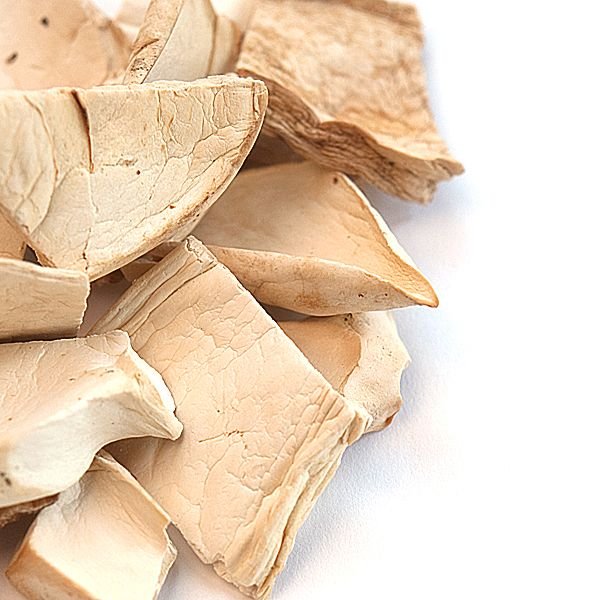
Dried mushrooms offer different advantages, including:
Rehydrated mushrooms may not have exactly the same texture as fresh mushrooms, but they can still be useful in soups, sauces, stir-fries, and other recipes.
Cleaning should remove visible dirt and debris without unnecessarily soaking the mushrooms.
A practical method is:
Dry surfaces generally brown more effectively during high-heat cooking.
Keep fresh mushrooms refrigerated and handle them carefully.
For best quality:
Exact shelf life varies depending on harvesting, packaging, refrigeration, and handling.
Freezing is possible, but preparation can affect the final texture.
Because mushrooms contain significant water, freezing raw mushrooms can cause structural changes after thawing.
Cooking or otherwise appropriately preparing them before freezing may produce better results depending on the intended use.
Yes. Drying is a traditional preservation approach for many mushroom species.
Dried mushrooms have a longer storage life when properly prepared and stored.
Before cooking, dried mushrooms generally need to be rehydrated according to the intended recipe.
Avoid consuming mushrooms that show clear signs of spoilage.
Potential warning signs include:
When there is significant uncertainty about food quality, discarding the product is the safer choice.
Yes. King Trumpet Mushrooms are widely cultivated and consumed as an edible food mushroom.
Commercially produced mushrooms should still be handled, stored, and prepared appropriately.
Individuals with known mushroom allergies or food sensitivities should exercise appropriate caution.
Although mushrooms can sometimes be served raw, cooking is generally preferred for King Trumpet Mushrooms because heat softens their dense structure and develops their savory flavor.
Cooking also makes them easier to incorporate into many common recipes.
King Trumpet Mushrooms are members of the oyster mushroom group but have a noticeably different appearance.
Both can be excellent culinary mushrooms, but they behave differently during cooking.
Shiitake mushrooms are recognized for their broad caps, distinctive umami flavor, and characteristic texture.
King Trumpet Mushrooms are more notable for their thick stems and firm structure.
Both can be used in stir-fries, soups, noodles, rice dishes, and many other recipes.
These names generally refer to the same mushroom, Pleurotus eryngii.
“King Oyster” is particularly common in English-language food markets, while “King Trumpet” is another widely used name.
In most culinary contexts, there is no meaningful species-level distinction between the two names.
If a supplier uses either term, checking the scientific name or product description can provide additional confirmation.
Mushroom cultivation has attracted attention as a method for producing food from controlled fungal systems.
Some commercial mushroom production systems can utilize suitable agricultural or plant-based byproducts as components of growing substrates.
After cultivation, spent substrate may have potential secondary uses depending on its composition and local practices.
Commercial production requires careful management of biological and environmental variables.
Growers monitor:
Consistency is especially important for mushrooms sold through retail and restaurant supply chains.
When purchasing fresh mushrooms, look for products that are:
A firm stem is particularly desirable because texture is one of the major culinary characteristics of this species.
Restaurants often value King Trumpet Mushrooms because they can be prepared using multiple cooking techniques.
Their thick stems can be turned into attractive slices or larger portions for:
Their appearance can also make them visually appealing when served whole or in thick slices.
Home cooks can use these mushrooms in simple dishes without specialized equipment.
A basic preparation can involve:
Several simple mistakes can reduce the final quality.
Too many mushrooms can release moisture and prevent proper browning.
Very thin slices can lose some of the distinctive texture associated with the thick stem.
Excess liquid can cause the mushrooms to steam instead of brown.
Excessive cooking can make the texture less appealing.
Also known as “king oyster mushrooms,” king trumpet mushrooms are prized for their thick, meaty stems and delicate, savory flavor. Their firm texture holds up beautifully in cooking, making them a favorite among chefs and home cooks alike. Unlike many other mushroom varieties, the entire stem is edible, providing a hearty bite that makes them a fantastic meat substitute. From grilling and roasting to stir-fries and soups, king trumpet mushrooms elevate every dish with gourmet flair.
One of the main reasons to choose king trumpet mushrooms is their incredible versatility. They have a naturally rich umami taste that enhances vegetarian and meat-based dishes alike. In addition, these fresh gourmet mushrooms are packed with vitamins, protein, and antioxidants, supporting both flavor and nutrition. Their ability to absorb marinades and seasonings ensures that every recipe is bursting with taste. Whether you are preparing a quick dinner or a fine dining experience, king trumpets deliver consistent quality.
If you’re wondering where to buy king trumpet mushrooms, the answer is simple: you can buy king trumpet mushrooms online with ease and convenience. By ordering from trusted suppliers, you’ll receive premium-quality mushrooms delivered directly to your kitchen. This ensures maximum freshness while saving you time searching in local markets. With reliable online options, sourcing gourmet ingredients has never been easier.
From plant-based steaks and kebabs to stir-fried noodles and risottos, king trumpet mushrooms shine in countless dishes. Their hearty texture makes them perfect for grilling or roasting, while their delicate flavor enhances soups, sauces, and sautés. Because they are versatile and easy to prepare, they have become a must-have ingredient for anyone looking to cook with fresh gourmet mushrooms at home.
By choosing high-quality suppliers and knowing where to buy king trumpet mushrooms, you can bring restaurant-quality ingredients into your everyday cooking. Nutritious, flavorful, and gourmet, these mushrooms are a delicious way to take your recipes to the next level.
King Oyster Mushroom is the most common alternative name.
The species is commonly identified as Pleurotus eryngii.
Their unusually thick stems, relatively small caps, dense flesh, and firm texture distinguish them from many other oyster mushrooms.
Yes. They are particularly versatile for grilling, roasting, searing, sautéing, and stir-frying.
The cap and most of the stem are edible when properly prepared. Tough or damaged portions can be trimmed.
Their raw flavor is relatively mild, while cooking can produce deeper savory and umami characteristics.
They provide nutrients such as dietary fiber, protein, vitamins, minerals, and naturally occurring fungal compounds, with composition varying by product and growing conditions.
Yes. Indoor and controlled-environment cultivation is widely used for commercial production.
Cultivation systems can use formulated plant-based or woody substrates designed to support mycelial growth.
They should generally be refrigerated and protected from excessive moisture and physical damage.
Yes. Their dense stems make them particularly suitable for grilling.
Yes. Drying can extend storage life, although the texture after rehydration differs from fresh mushrooms.
They belong to the oyster mushroom genus, but their appearance and texture differ from many other oyster mushroom varieties.
Yes. The two names commonly refer to Pleurotus eryngii.
King Trumpet Mushrooms are a distinctive and versatile edible fungus recognized for their large stems, firm texture, mild earthy flavor, and broad culinary applications. Their unusual structure makes them especially valuable for cooking methods that benefit from a mushroom that can retain its shape and develop a deeply browned exterior.
Beyond the kitchen, Pleurotus eryngii is also important in mushroom cultivation research, food science, nutritional studies, and commercial fungal production. Its cultivation characteristics and ability to grow under controlled conditions have helped make it a popular specialty mushroom worldwide.
For consumers, the best-quality King Trumpet Mushrooms should be fresh, firm, clean, and properly stored. For growers, consistent substrate preparation and careful control of environmental conditions are central to successful production.
Whether you are learning about mushroom biology, exploring cultivation, researching nutritional characteristics, or looking for new culinary ingredients, King Trumpet Mushrooms provide an excellent subject for further study.
| Qauntity | oz, qp, hp, lbs |
|---|

Reviews
There are no reviews yet.