
Online Psychedelic Shop
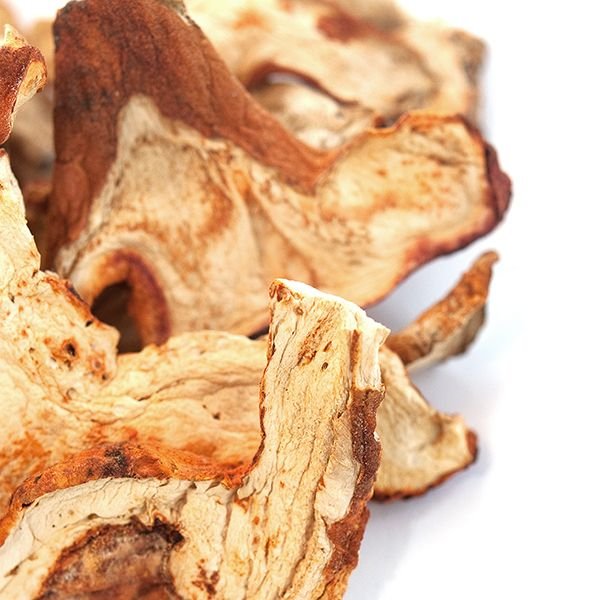
Price range: $180.00 through $750.00
Dried Lobster Mushroom is a distinctive specialty mushroom product recognized for its striking reddish-orange color, firm texture, concentrated earthy flavor, and versatility in gourmet cooking. Unlike common cultivated mushrooms such as shiitake, oyster, or white button mushrooms, the lobster mushroom has a fascinating biological origin involving a parasitic fungus and a host mushroom.
Drying removes much of the mushroom’s water content, concentrating its characteristic flavor while making it easier to store and use outside the fresh harvesting season. Once properly rehydrated, dried lobster mushrooms can be incorporated into soups, sauces, stocks, risottos, pasta, rice dishes, gravies, stuffing, vegetable preparations, and other recipes.
This comprehensive guide explores what dried lobster mushrooms are, how lobster mushrooms develop, how to identify them, what they taste like, how to rehydrate and cook them, how to store them, what is known about their nutritional composition, and what buyers should consider when selecting a quality product.
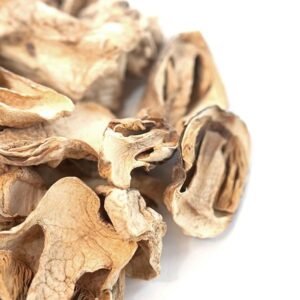
A dried lobster mushroom is a lobster mushroom that has undergone dehydration to substantially reduce its moisture content.
The drying process changes the mushroom’s physical characteristics. Fresh lobster mushrooms are relatively moist and perishable, whereas properly dried pieces are lightweight, firm, and suitable for longer-term storage when protected from moisture.
Dried lobster mushrooms are particularly useful for cooks who want access to specialty mushrooms without relying on immediate fresh availability.
The term “lobster mushroom” does not describe an ordinary mushroom species in the same way that “shiitake” or “oyster mushroom” does. Instead, it commonly describes a mushroom that has been colonized and transformed by a fungus in the genus Hypomyces.
Lobster mushrooms are commonly associated with Hypomyces lactifluorum, a parasitic ascomycete fungus.
The fungus grows on certain host mushrooms, particularly members of the genera Russula and Lactarius, and transforms their appearance.
This means that the lobster mushroom is best understood as a fungus-host interaction, rather than simply one independently occurring mushroom species.
The resulting mushroom develops the characteristic orange-red exterior associated with lobster mushrooms.
The common name comes from their appearance.
The exterior of a transformed mushroom can become vivid orange, reddish-orange, or rust colored, resembling the shell of a cooked lobster.
This dramatic coloration makes lobster mushrooms one of the more recognizable specialty mushrooms encountered by experienced mushroom hunters.
The name is therefore based on visual resemblance rather than a biological relationship to seafood.
The biology of lobster mushrooms is one of their most interesting characteristics.
Hypomyces lactifluorum colonizes a suitable host mushroom. As the fungus develops, it can dramatically alter the host’s external appearance.
The surface becomes covered by the fungus’s dense reddish-orange growth, while the host mushroom’s original structure becomes modified.
The transformation can affect:
Because the host plays a role in the final product, lobster mushrooms can vary naturally in shape and structure.
Lobster mushrooms are commonly associated with host mushrooms in the genera Russula and Lactarius.
The host mushroom provides the biological substrate on which Hypomyces lactifluorum develops.
This host relationship is important when discussing identification because simply finding an orange-red mushroom does not automatically mean it is a lobster mushroom.
Correct identification requires consideration of multiple characteristics and, for wild mushrooms, appropriate expertise.
Lobster mushrooms commonly have a hard, crust-like exterior with colors ranging from:
The exterior can appear irregular, rough, or strongly textured.
The original host mushroom may become difficult to recognize after extensive colonization.
Fresh specimens can be relatively dense and firm. After drying, they become lighter and harder, with the color often appearing darker or more concentrated.
Identification should involve more than color alone.
Important characteristics can include:
The orange-red exterior is one of the most obvious characteristics.
The surface is often firm, irregular, and crust-like due to fungal colonization.
The overall form can reflect the original host mushroom and the extent of transformation.
Cutting or examining the interior may provide additional identification information.
Lobster mushrooms are associated with forest environments where their host mushrooms occur.
The presence of a suitable host mushroom can be an important ecological clue.
Foraged mushrooms should never be identified solely by comparing photographs on a website. Wild mushroom identification can involve species that look similar but have very different food-safety profiles.
Lobster mushrooms are primarily associated with forest ecosystems where suitable host mushrooms occur.
They are particularly associated with woodland environments containing appropriate hardwood or conifer-associated fungal communities, depending on geographic region and host species.
Their occurrence can vary considerably from one location to another because several ecological factors must align:
The availability of lobster mushrooms is strongly seasonal in areas where they are naturally harvested.
Their appearance is influenced by:
Because they are generally associated with wild ecosystems, availability can vary significantly from year to year.
This seasonal nature is one reason dried lobster mushrooms can be valuable for culinary use.
Dried lobster mushrooms are prized for their concentrated savory mushroom flavor.
Their flavor is often described as:
Drying can intensify the sensory characteristics of mushrooms because water is removed while many flavor compounds remain.
After rehydration, lobster mushrooms can provide a firm, substantial texture that works particularly well in hearty recipes.
Lobster mushrooms are known for having a relatively firm texture compared with softer mushrooms.
When properly rehydrated and cooked, they can retain a substantial bite.
Texture depends on:
This firm texture makes lobster mushrooms useful in dishes where the mushroom is intended to remain noticeable rather than disappear into the sauce.
Fresh and dried lobster mushrooms have different advantages.
Fresh mushrooms offer:
However, they are more perishable and generally require refrigeration and relatively quick use.
Dried mushrooms offer:
Dried lobster mushrooms are particularly convenient for cooks who use specialty mushrooms occasionally.
Drying is designed to remove enough moisture to make the product substantially less favorable for microbial growth.
Depending on the producer, mushrooms may be dehydrated using controlled warm-air drying or other food-processing methods.
Important factors include:
Proper drying should produce a stable product that is thoroughly dehydrated rather than damp.
Moisture is one of the major factors affecting the stability of dried foods.
If dried mushrooms absorb moisture during storage, they can become soft and may become more vulnerable to mold and deterioration.
High-quality dried lobster mushrooms should therefore be packaged in a way that limits moisture exposure.
Rehydration restores moisture and softens the mushroom before cooking.
A simple method is:
The required soaking time depends on the size and thickness of the dried pieces.
Warm water can speed up rehydration compared with cold water.
However, extremely hot water is not always necessary. A moderate soaking temperature can allow the mushroom to gradually absorb water while releasing flavor into the soaking liquid.
For food preparation, the mushrooms should ultimately be cooked according to the recipe.
The soaking liquid can contain mushroom flavor and aromatic compounds and may be useful in cooking.
It can potentially be incorporated into:
Because the liquid may contain sediment or particles from the dried mushrooms, filtering it through a fine strainer can improve its quality before use.
Do not use soaking water from mushrooms that appear spoiled, contaminated, or otherwise unsafe.
Dried lobster mushrooms should be inspected after rehydration.
Remove visible:
A brief rinse can be used when necessary.
The goal is to remove unwanted material without unnecessarily washing away the mushroom’s flavor.
Dried lobster mushrooms are highly versatile after rehydration.
They can be:
Their concentrated flavor means they can be useful in dishes where a strong mushroom character is desired.
Lobster mushroom soup is one of the simplest ways to use dried mushrooms.
Rehydrated pieces can be combined with onions, garlic, herbs, vegetables, stock, grains, noodles, or other mushrooms.
The filtered soaking liquid can also contribute additional mushroom flavor.
Risotto provides an excellent way to use dried specialty mushrooms.
Rehydrated lobster mushrooms can be sautéed before being incorporated into the rice.
Their soaking liquid can also be filtered and added to the cooking stock to increase the mushroom character of the finished dish.
Dried lobster mushrooms can be paired with pasta and ingredients such as:
The mushroom’s firm texture can create a more substantial pasta dish.
Lobster mushrooms can be chopped and incorporated into savory sauces.
They can work with cream-based, stock-based, wine-based, or vegetable-based preparations.
The soaking liquid can also provide an additional layer of mushroom flavor when properly filtered.
Mushrooms are frequently used in vegetarian and plant-based recipes because of their savory flavor and substantial texture.
Dried lobster mushrooms can be incorporated into:
They can provide a flavorful component without requiring meat-based ingredients.
Lobster mushrooms can contribute nutrients to a balanced diet, although their exact nutritional composition can vary.
Factors influencing nutritional composition include:
Edible mushrooms can contain nutrients such as:
Because drying removes water, nutrients and flavor can become more concentrated by weight.
However, dried and fresh mushrooms should not be compared gram-for-gram without considering their very different water content.
Mushrooms contain naturally occurring proteins and amino acids.
The actual protein concentration of dried lobster mushrooms depends on the biological characteristics of the host mushroom and the processing method.
Dried mushrooms may appear higher in protein per unit weight than fresh mushrooms primarily because much of the fresh mushroom’s water has been removed.
Edible mushrooms contain dietary fiber, including structural components found in fungal cell walls.
Adding mushrooms to meals can therefore contribute to overall dietary fiber intake.
The amount present in dried lobster mushrooms can vary according to species, maturity, processing, and serving size.
Edible mushrooms can contain various vitamins and minerals, although levels vary considerably between species and growing conditions.
Potential nutritional components may include:
Nutritional labels or laboratory analyses should be used when precise nutrient values are required.
Mushrooms contain numerous naturally occurring compounds that are of interest to food scientists and researchers.
Research on edible fungi has investigated:
The presence of these compounds does not mean that a mushroom should be considered a medicine.
Research findings should be interpreted according to the quality and type of evidence available.
Mushroom-derived compounds have been studied for antioxidant-related activity in laboratory research.
However, laboratory antioxidant activity should not automatically be interpreted as a demonstrated health benefit in humans.
For nutritional content, it is more accurate to describe antioxidant-related compounds as an area of scientific interest rather than making disease-treatment or disease-prevention claims.
Dried lobster mushrooms can be part of a varied and balanced diet.
They provide a concentrated culinary ingredient and may contribute nutrients found naturally in edible fungi.
However, “healthy” depends on the overall diet, portion size, preparation method, and individual nutritional needs.
Cooking methods involving excessive salt, saturated fat, or highly processed ingredients can substantially change the nutritional profile of a mushroom-based meal.
Proper storage is critical after drying.
Keep dried lobster mushrooms:
Moisture exposure should be minimized.
Shelf life depends on:
Properly dried mushrooms stored in suitable conditions can remain usable for a long time.
The product should still be inspected before use.
Do not use dried mushrooms showing signs of deterioration such as:
When food safety is uncertain, discard the product rather than attempting to salvage it.
Freezing is usually unnecessary if the mushrooms are thoroughly dried and properly packaged.
If freezing is used, moisture protection is important because condensation can occur when the product is exposed to warmer air.
An airtight, moisture-resistant container can help reduce moisture exposure.
Food safety is particularly important with wild mushrooms.
Only mushrooms that have been correctly identified as edible should be consumed.
A mushroom that merely resembles a lobster mushroom should not automatically be assumed to be safe.
Commercial dried products from reputable suppliers can provide better traceability than unidentified wild-foraged mushrooms.
Cooking is generally the preferred approach for edible wild mushrooms.
Cooking can improve texture and digestibility and is particularly appropriate for dried mushrooms that have been rehydrated.
Follow appropriate food-handling practices and cook mushrooms thoroughly.
Some individuals can experience allergic reactions or food sensitivities to mushrooms.
Anyone with a known mushroom allergy or previous adverse reaction should take appropriate precautions.
Seek professional medical advice for individualized dietary guidance.
Lobster mushrooms are commonly associated with wild mushroom harvesting rather than conventional large-scale cultivation.
Responsible harvesting should consider:
Experienced mushroom foragers should follow local rules regarding collection from public or private land.
Lobster mushrooms differ significantly from mushrooms that can be cultivated directly from commercial spawn on standardized substrates.
The characteristic lobster mushroom develops through a relationship between Hypomyces lactifluorum and a suitable host mushroom.
Reproducing this relationship consistently under commercial growing conditions is considerably more complicated than cultivating species such as oyster mushrooms.
This is one reason lobster mushrooms are strongly associated with wild harvesting.
Wild mushrooms can form important parts of forest ecosystems.
Sustainable harvesting practices can help reduce unnecessary environmental disturbance.
Responsible harvesting includes:
For commercial buyers, sourcing transparency can be an important part of responsible purchasing.
Quality should be evaluated using several characteristics.
Natural orange-red, rust, or reddish-orange coloration is characteristic, although drying can darken the appearance.
The product should have a clean, characteristic mushroom aroma rather than a strong musty or unpleasant smell.
Properly dried pieces should be dry and firm rather than damp or soft.
The product should be reasonably free from excessive dirt, insects, mold, and unnecessary debris.
Good packaging should protect the mushrooms against:
A quality supplier should provide useful information about the product, including appropriate storage instructions and product identity.
When shopping for dried lobster mushrooms, buyers may encounter products in different forms, including:
Product availability and packaging sizes vary by supplier.
For commercial kitchens, restaurants, and specialty food businesses, bulk packaging may be more practical than small consumer packages.
Consumers looking to buy dried lobster mushrooms online should evaluate more than price.
Important purchasing factors include:
A lower price does not necessarily represent better value if the product contains excessive debris, poor-quality pieces, or inadequate packaging.
Restaurants can use dried lobster mushrooms as a specialty pantry ingredient.
Potential restaurant applications include:
Dried products can also simplify inventory management because they generally require less refrigeration than fresh mushrooms.
Bulk purchasing can be useful for restaurants, caterers, food manufacturers, specialty retailers, and mushroom distributors.
Commercial buyers should consider:
Dried shiitake mushrooms are known for their strong savory and umami character, while dried lobster mushrooms are valued for their distinctive reddish-orange appearance, firm texture, and unique biological origin.
Both can be used in:
The better option depends on the flavor and texture desired.
Morels have a distinctive honeycomb-like cap and complex earthy flavor.
Lobster mushrooms are recognized primarily by their orange-red exterior and firm texture.
Both are highly regarded specialty mushrooms and may be dried to extend their culinary availability.
Oyster mushrooms generally have a softer, more delicate texture and mild flavor.
Lobster mushrooms can provide a firmer bite and stronger visual character.
Both can be used in soups, sauces, stir-fries, pasta, and vegetable dishes.
Porcini mushrooms are especially valued for their intense earthy and nutty flavor and are widely used in Italian and European cuisine.
Lobster mushrooms have a different flavor profile and are particularly recognizable for their unusual color and dense texture.
Both are excellent candidates for dried mushroom applications.
Dried lobster mushrooms can be used in:
Their concentrated flavor means a relatively small amount can contribute substantial mushroom character to a dish.
For better results:
If you are searching for a truly distinctive gourmet ingredient, look no further than the dried lobster mushroom. Known for its striking reddish-orange color and seafood-like aroma, this mushroom is unlike any other. Despite its name, the lobster mushroom is not a seafood product—it is actually a type of wild mushroom that develops its unique flavor when parasitized by a specific mold. Once dried, it retains a rich, nutty, and slightly seafood-inspired taste that pairs beautifully with a wide range of dishes. At PsychedelicTripGateway.com, we provide only the finest dried lobster mushrooms to ensure you enjoy authentic quality and gourmet excellence.
When it comes to gourmet cooking, the dried lobster mushroom stands out for its versatility and distinctive character. Chefs love it for the vibrant color it adds to dishes as well as its deep umami flavor. Our mushrooms are carefully sourced and naturally dried to preserve their taste, aroma, and long shelf life. Furthermore, they are a great plant-based alternative for those who want the essence of seafood without using animal products.
Nutritionally, lobster mushrooms are a wonderful addition to your pantry. They are low in calories, rich in fiber, and contain essential minerals that support overall wellness. Choosing dried lobster mushrooms from PsychedelicTripGateway.com means choosing quality, authenticity, and flavor you can trust.
Transitioning dried lobster mushrooms into your meals is simple and rewarding. To prepare, soak them in warm water for about 20 minutes to rehydrate. Once softened, they can be used in risottos, pasta dishes, chowders, and creamy sauces. The soaking liquid itself can also be reused as a flavorful broth for soups and stews, ensuring no part of this gourmet ingredient goes to waste. Their rich umami profile makes them an excellent complement to seafood dishes, but they also shine in vegetarian recipes where they add a satisfying depth of flavor.
In conclusion, whether you are a professional chef or a passionate home cook, the dried lobster mushroom is a must-have for your kitchen. With its seafood-inspired taste, long shelf life, and gourmet appeal, it is a versatile ingredient that elevates any dish. Shop premium dried lobster mushrooms today at PsychedelicTripGateway.com and bring a world of flavor to your cooking.
Dried lobster mushrooms are dehydrated lobster mushrooms associated with the parasitic fungus Hypomyces lactifluorum and suitable host mushrooms. Drying removes moisture and concentrates their flavor.
Lobster mushrooms are commonly associated with Hypomyces lactifluorum, although the familiar lobster mushroom form results from a fungus-host interaction rather than a conventional single mushroom species.
Correctly identified edible lobster mushrooms are used as specialty food mushrooms. Wild specimens should only be consumed when identification is reliable.
They generally have an earthy, savory, mushroom-forward flavor that becomes concentrated during drying.
Soak them in warm water until softened, inspect and clean them, and then cook them appropriately.
Yes, properly filtered soaking liquid can be useful in soups, sauces, risotto, broth, and other recipes when the mushrooms are clean and safe.
Store them in an airtight, moisture-resistant container in a cool, dry, dark location.
They generally do not need to be frozen when thoroughly dried and correctly stored. If frozen, protect them carefully from moisture and condensation.
They can contribute protein, fiber, vitamins, minerals, and naturally occurring fungal compounds, although exact nutritional values vary according to the host mushroom and processing.
They are substantially more difficult to cultivate than conventional mushrooms because their characteristic form depends on a relationship between Hypomyces lactifluorum and a suitable host mushroom.
Dried lobster mushrooms can be available through specialty mushroom suppliers, gourmet food retailers, and online sellers. Buyers should look for clearly identified products, appropriate packaging, and reliable storage information.
Dried Lobster Mushroom is one of the most unusual specialty mushrooms available to culinary enthusiasts. Its striking orange-red appearance, firm texture, concentrated flavor, and fascinating biological origin distinguish it from common cultivated mushrooms.
Drying provides a convenient way to preserve lobster mushroom while concentrating their culinary characteristics. Properly rehydrated mushrooms can be used in soups, sauces, risotto, pasta, rice dishes, gravies, vegetable recipes, and many other preparations.
For buyers, quality packaging, dryness, cleanliness, product identification, and supplier reliability are important considerations. For wild mushroom enthusiasts, correct identification and responsible harvesting are essential.
Whether you are interested in gourmet cooking, specialty foods, mushroom biology, wild fungi, or dried mushroom ingredients, lobster mushrooms offer a particularly interesting combination of culinary value and biological uniqueness.
| Quantity | oz, qp, hp, lbs |
|---|

Reviews
There are no reviews yet.