
Online Psychedelic Shop
Price range: $180.00 through $850.00
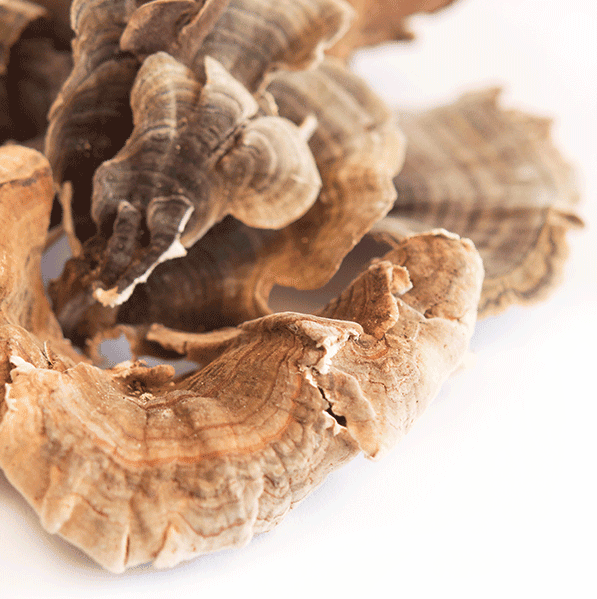
Turkey Tail mushrooms are among the most recognizable wood-growing fungi in the world. Their thin, fan-shaped fruiting bodies and distinctive concentric bands of brown, gray, white, tan, and other colors give them an appearance similar to the feathers of a turkey’s tail.
The mushroom commonly known as Turkey Tail is scientifically associated with Trametes versicolor, a wood-decaying fungus belonging to the Polyporaceae family. Unlike fleshy culinary mushrooms such as Shiitake, Oyster, or Button mushrooms, Turkey Tail develops tough, leathery fruiting bodies that grow in overlapping shelves on dead or decaying wood.
Turkey Tail has attracted attention from several different perspectives. Ecologically, it is an important decomposer that helps break down dead wood. Historically, related preparations have been used in traditional Asian practices. Nutritionally and scientifically, researchers are interested in its polysaccharides, beta-glucans, protein-bound polysaccharides, phenolic compounds, and other naturally occurring constituents.
Modern research has particularly focused on compounds and preparations associated with Turkey Tail, including PSK (polysaccharide-K) and PSP (polysaccharopeptide). These preparations have been investigated in laboratory, preclinical, and human research, including research examining immune-related mechanisms and their potential role alongside conventional cancer treatment.
However, it is important to separate scientific investigation from marketing claims. Research on a particular extract or purified compound does not automatically prove that every Turkey Tail mushroom powder, tea, capsule, or supplement produces the same effects.
This guide provides a detailed look at Turkey Tail mushrooms, including their biology, appearance, nutritional characteristics, compounds, traditional uses, scientific research, cultivation, identification, preparation, quality considerations, safety, and frequently asked questions.
Turkey Tail mushrooms are thin, shelf-like fungi that commonly grow on dead or decaying hardwood.
The species most commonly associated with the name Turkey Tail is:
Trametes versicolor
The mushroom is classified as a polypore, a group of fungi characterized by pores on the underside of their fruiting bodies.
Turkey Tail is particularly easy to recognize because its fruiting bodies often grow in overlapping layers.
Instead of developing a single large cap and stem, Turkey Tail typically forms numerous thin brackets that expand outward from a piece of wood.
The upper surface can display several contrasting bands, while the underside is generally pale and covered with tiny pores.
The scientific name commonly used for Turkey Tail is Trametes versicolor.
The species name versicolor relates to its variable coloration.
Scientific names are particularly valuable in mushroom identification because common names can differ between countries and regions.
The term “Turkey Tail” is sometimes used loosely for visually similar fungi. Accurate identification therefore requires examination of several characteristics rather than relying solely on color or shape.
Turkey Tail belongs to the fungal kingdom.
Its broad classification can be summarized as:
Taxonomy can change as researchers learn more about fungal relationships through molecular and genetic analysis.
This is one reason scientific names and updated taxonomic references are important when discussing mushrooms.
The common name comes from the mushroom’s visual appearance.
Turkey Tail often develops a series of curved, fan-shaped brackets with alternating bands of color.
When many fruiting bodies grow together, the overlapping structures can resemble the spread tail feathers of a turkey.
The concentric bands are one of the mushroom’s most distinctive identifying characteristics.
Turkey Tail mushrooms are generally thin and leathery rather than thick and fleshy.
Typical characteristics include:
The upper surface can contain several colors within a single mushroom.
Common shades include:
Color intensity can vary according to age, moisture, environmental conditions, and individual specimens.
The underside is an important feature when identifying Turkey Tail.
Unlike mushrooms with gills, Turkey Tail has a porous underside.
The pores are generally very small and can appear white or pale.
Examining the underside can help distinguish Turkey Tail from other bracket fungi that may have similar-looking upper surfaces.
For difficult identification cases, microscopic examination and expert identification may be necessary.
Turkey Tail is commonly found on dead or decaying hardwood.
It can grow on:
The mushroom is widely distributed and can occur in many temperate and forested environments.
Its ability to colonize dead wood gives it an important role in decomposition.
Turkey Tail can occur in a wide range of forest environments.
Suitable habitat generally provides:
The fungus can persist on dead wood as the substrate gradually breaks down.
Its fruiting bodies may appear when environmental conditions are favorable.
Turkey Tail is not simply a mushroom that happens to grow on dead trees.
It plays an important ecological role as a wood-decay fungus.
Dead wood contains complex structural materials that are difficult for many organisms to break down.
Wood-decay fungi produce enzymes that help decompose components of plant cell walls.
This contributes to:
Without decomposer organisms, dead organic material would accumulate and nutrients would remain locked within complex biological structures.
Turkey Tail belongs to a broad group of fungi that participate in wood decomposition.
Fungi can produce extracellular enzymes capable of breaking down complex molecules.
These enzymes can contribute to the degradation of:
Through this process, nutrients contained within dead wood can eventually return to the ecosystem.
This ecological function is one of the most important biological characteristics of Turkey Tail.
Like other mushrooms, Turkey Tail has a complex fungal life cycle.
The visible mushroom is the fruiting body.
Much of the fungus exists as microscopic filamentous growth called mycelium.
The general life cycle involves:
Environmental conditions influence each stage.
Temperature, moisture, substrate quality, competition, and other environmental factors can affect fungal development.
The pores on the underside of Turkey Tail produce and release microscopic spores.
Spores are part of the mushroom’s reproductive process.
They can be dispersed through environmental conditions such as air movement and eventually encounter suitable substrates.
When appropriate conditions exist, spores can germinate and establish new fungal growth.
It is important to distinguish the mushroom’s fruiting body from its mycelium.
The fruiting body is the visible structure that develops on the substrate.
This is what people generally recognize as the mushroom.
Mycelium is the network of microscopic fungal filaments that grows through the substrate.
It is responsible for much of the fungus’s growth and nutrient acquisition.
Fruiting-body products and mycelium-based products can have different chemical compositions.
Turkey Tail is not typically consumed as a conventional culinary mushroom because of its tough texture.
As a result, discussions about its nutritional value often focus on its naturally occurring polysaccharides and other compounds rather than simply calories, protein, and carbohydrates.
Turkey Tail contains a variety of fungal constituents, including:
The chemical composition can vary significantly between specimens and commercial preparations.
Factors include:
Polysaccharides are complex carbohydrates consisting of chains of sugar molecules.
They occur naturally in plants, fungi, algae, and other organisms.
Mushroom polysaccharides have attracted scientific attention because some have demonstrated biological activity in laboratory and preclinical studies.
Their characteristics can vary depending on:
This means that “mushroom polysaccharides” are not one single substance.
Beta-glucans are polysaccharides found in fungal cell walls as well as in certain grains and other organisms.
Fungal beta-glucans have attracted significant scientific interest.
Researchers investigate them because their molecular structures can influence how they interact with biological systems.
Different beta-glucans can have different:
Therefore, simply stating that a product contains beta-glucans does not fully describe its biological characteristics.
PSK stands for polysaccharide-K, also known as polysaccharide krestin.
It is a protein-bound polysaccharide preparation associated with Turkey Tail.
PSK has been studied extensively, particularly in Japan.
Research has examined PSK in relation to:
PSK should not be treated as synonymous with every Turkey Tail product.
A standardized PSK preparation is chemically and commercially different from an unstandardized mushroom powder.
PSP stands for polysaccharopeptide.
It is another protein-bound polysaccharide preparation associated with Turkey Tail.
PSP has been investigated in laboratory, animal, and human research.
Research areas have included:
As with PSK, the results of studies involving PSP cannot automatically be applied to every Turkey Tail supplement.
Immune-related research is one of the most extensively studied areas involving Turkey Tail.
Researchers have examined mushroom polysaccharides and their interactions with immune pathways.
Research models have investigated effects involving:
These findings have helped scientists investigate how fungal polysaccharides may interact with biological systems.
However, immune activity observed in a laboratory or controlled clinical setting does not necessarily mean that eating Turkey Tail produces a predictable immune benefit.
Turkey Tail is particularly notable for the amount of cancer-related research involving certain preparations.
PSK, in particular, has been studied as an adjunct to conventional cancer treatment.
Research has investigated possible effects involving:
The research is complex because different cancer types, treatment protocols, patient populations, and mushroom preparations have been studied.
Turkey Tail should not be described as a cure for cancer.
It should also never be used as a replacement for chemotherapy, radiation, surgery, immunotherapy, targeted therapy, or other evidence-based cancer treatment.
The term adjunctive therapy means something used alongside an established treatment rather than instead of it.
Some clinical research involving Turkey Tail-derived preparations has investigated this type of use.
This distinction is extremely important.
A study showing that a mushroom preparation was investigated alongside conventional therapy does not mean that the mushroom preparation can independently treat the disease.
Research findings must always be interpreted according to the exact study design.
Turkey Tail contains naturally occurring compounds that have been studied for antioxidant activity.
Antioxidant research can involve measuring how compounds interact with chemical reactions associated with oxidation.
Laboratory studies can help researchers characterize these properties.
However, antioxidant activity in a test tube does not automatically translate into a measurable clinical benefit in humans.
This is a common distinction when evaluating mushroom-related health claims.
Inflammation is a complex biological process involving many cells, signaling molecules, and pathways.
Researchers have examined Turkey Tail extracts and mushroom-derived polysaccharides in experimental models involving inflammatory signaling.
These studies may investigate:
The results can help scientists understand mechanisms but do not necessarily establish therapeutic effectiveness.
The gastrointestinal tract contains a complex microbial ecosystem known as the gut microbiome.
Dietary fibers and complex carbohydrates can interact with intestinal microorganisms.
Because Turkey Tail contains polysaccharides, researchers have investigated whether its components can influence microbial communities and gastrointestinal processes.
Research areas include:
This is an emerging area of research, and human evidence varies depending on the preparation studied.
The gut microbiome contains bacteria and other microorganisms that interact with food components.
Some dietary fibers can serve as substrates for microbial fermentation.
Mushroom polysaccharides have therefore become an interesting subject in microbiome research.
Potential mechanisms being investigated include:
However, the microbiome is highly individual.
Age, diet, medications, lifestyle, genetics, and health status can all influence microbial communities.
Researchers have investigated mushroom compounds in relation to metabolic processes.
Preclinical research has examined areas such as:
These findings are scientifically interesting but should not be interpreted as proof that Turkey Tail treats diabetes, obesity, high cholesterol, or other metabolic disorders.
More high-quality human research is required to establish specific clinical effects.
Mushroom-derived compounds have also been studied in relation to cardiovascular biology.
Potential research areas include:
However, cardiovascular health is influenced by numerous established risk factors.
Dietary mushrooms can contribute to dietary variety, but Turkey Tail should not be promoted as a substitute for evidence-based cardiovascular care.
Preclinical mushroom research sometimes examines liver-related pathways.
Scientists may investigate:
Such research can help identify possible biological mechanisms.
Animal or laboratory findings, however, cannot be treated as proof that Turkey Tail prevents or treats human liver disease.
Turkey Tail is sometimes marketed as a general wellness mushroom.
Its historical use and scientific research make it an interesting subject, but general wellness claims should be interpreted carefully.
A healthy lifestyle remains based on established factors such as:
No mushroom can replace these fundamentals.
Mushrooms have been used in traditional Asian practices for centuries.
Turkey Tail and related fungi have historical associations with traditional preparations.
Traditional practices may provide useful clues for modern researchers, but traditional use and clinical evidence are not the same thing.
Modern scientific investigation attempts to evaluate individual compounds and preparations using:
Interest in Turkey Tail increased significantly as researchers began isolating and characterizing its polysaccharide-rich fractions.
PSK and PSP became particularly important research subjects.
The development of standardized preparations allowed researchers to study specific materials more consistently than would be possible with unidentified wild mushrooms.
This distinction remains important today.
An extract is produced by processing mushroom material to concentrate or isolate particular groups of compounds.
Extraction methods can influence the final chemical profile.
Common approaches include:
Water-based extraction can target water-soluble compounds, while other extraction methods can access compounds with different chemical properties.
Therefore, two products labeled “Turkey Tail extract” can potentially have substantially different compositions.
These products should not be considered interchangeable.
A powder generally contains ground dried mushroom material.
It may retain a broad range of naturally occurring compounds.
An extract is processed to concentrate particular soluble or extractable components.
The resulting concentration and chemical profile depend on the extraction method.
Consumers should carefully examine labels rather than assuming that all Turkey Tail products have equivalent potency or composition.
Another important product distinction is whether the material comes primarily from fruiting bodies or mycelium.
Fruiting-body products use the visible mushroom structure.
Mycelium products use fungal growth cultivated through a substrate.
Their composition can differ because the fungal tissue and growing substrate are not identical.
High-quality product labels should clearly disclose what material is being used.
Commercial cultivation involves growing fungal material under controlled conditions.
Depending on the production system, growers can control:
Controlled cultivation can provide greater consistency than wild harvesting.
The growing substrate can also influence the chemical composition of the resulting fungal material.
Because Turkey Tail is a wood-decay fungus, suitable woody substrates can support its growth.
Commercial cultivation systems may use prepared agricultural or wood-based substrates.
The substrate provides:
Researchers and producers may study how substrate composition affects fungal growth and metabolite production.
Turkey Tail can occur naturally in forests and wooded environments.
Wild harvesting requires accurate identification and responsible collection practices.
Potential problems include:
Anyone considering wild mushroom collection should understand local regulations and use qualified identification resources.
Identification should involve multiple characteristics.
Look for:
Color alone is not enough.
A mushroom that resembles Turkey Tail should be evaluated using additional physical characteristics.
Several bracket fungi can resemble Turkey Tail.
Some may share:
Accurate identification may require examination of:
When identification is uncertain, the mushroom should not be consumed.
Turkey Tail is generally considered non-toxic as a mushroom, but its tough, leathery texture makes it unsuitable as a typical culinary mushroom.
It is therefore more commonly encountered as:
Products can differ substantially in composition and concentration.
Traditional preparations may involve heating Turkey Tail in water.
Because the fruiting body is tough and fibrous, prolonged extraction can help transfer certain water-soluble compounds into the liquid.
Commercial mushroom teas can differ in:
Consumers should follow the preparation instructions supplied with a commercial product.
Powdered Turkey Tail is typically made from dried fungal material that has been ground into a powder.
Powdered products may be used as ingredients in various formulations.
However, whole mushroom powder is not necessarily equivalent to a concentrated extract.
The label should specify whether the product is:
Turkey Tail supplements can be found in several formats.
Examples include:
Quality varies among products.
When evaluating a supplement, useful information may include:
Quality evaluation should begin with product transparency.
A reputable product should ideally make it easy to determine:
Vague labeling can make it difficult to compare products accurately.
Testing is important because mushroom products can potentially contain contaminants.
Depending on the product and jurisdiction, testing may evaluate:
Third-party testing can provide additional confidence when testing documentation is transparent and relevant to the specific batch.
A batch-specific certificate or laboratory report provides information about a particular production lot.
This can be more useful than relying solely on a general statement that a company tests its products.
Useful documentation may include:
Transparency helps consumers make better-informed decisions.
Storage conditions can influence product stability.
General storage considerations include:
Different formulations may have different requirements.
Always follow the product label.
Turkey Tail has been investigated in scientific and clinical settings, but safety depends on the preparation and individual circumstances.
Potential adverse effects reported with mushroom preparations can include:
Concentrated extracts can have different characteristics from ordinary food quantities.
Natural products can interact with medications.
Potential interactions depend on:
People taking prescription medications should discuss concentrated Turkey Tail products with an appropriate healthcare professional.
This topic deserves special attention.
People undergoing cancer treatment should not add Turkey Tail supplements without discussing them with their oncology team.
Although some Turkey Tail-derived preparations have been studied alongside cancer treatments, this does not mean that all commercially available products are interchangeable with those studied preparations.
Patients should never delay or discontinue conventional cancer treatment because of a mushroom supplement.
Professional advice is particularly appropriate for people who:
Individual circumstances can substantially change the risk-benefit profile of a supplement.
Mushroom allergies are possible.
An allergic response may involve symptoms such as:
Anyone who experiences signs of a serious allergic reaction should seek urgent medical attention.
Turkey Tail and Reishi are both associated with medicinal mushroom research, but they look very different.
Their chemical compositions and research histories are also different.
Lion’s Mane is easily recognized by its cascading spines.
Turkey Tail instead forms thin layered brackets.
Primarily associated with:
Often studied in relation to:
They are scientifically and biologically distinct mushrooms.
Chaga and Turkey Tail are both popular functional mushrooms but have very different appearances.
Turkey Tail produces visible fan-shaped fruiting bodies.
Chaga develops a dark, irregular growth on living trees.
Their growth habits, chemical profiles, and research areas are different.
Shiitake is one of the world’s best-known culinary mushrooms.
It has:
Turkey Tail is much thinner and tougher.
While Shiitake is commonly cooked and eaten directly, Turkey Tail is more commonly processed into teas, powders, extracts, or supplements.
Maitake produces clusters of overlapping fleshy caps.
Turkey Tail produces thin leathery brackets.
Maitake has significant culinary use, while Turkey Tail is generally associated more strongly with functional mushroom preparations and scientific research.
Cordyceps refers to a group of fungi with very different biological characteristics from Turkey Tail.
Turkey Tail is primarily a wood-decay polypore.
Cordyceps-related fungi are associated with parasitism of insects and other ecological relationships.
Their chemical constituents and research areas differ substantially.
The phrase “Turkey Tail benefits” is frequently used online, but scientific evidence should be evaluated more carefully.
Research has investigated Turkey Tail and its compounds in areas including:
However, evidence quality varies.
The strongest evidence generally comes from well-designed human studies, while cell and animal experiments are useful primarily for exploring mechanisms and generating hypotheses.
Laboratory research can provide valuable information about how mushroom compounds behave.
For example, researchers can expose cells to a defined extract and measure biological changes.
This can reveal possible mechanisms.
However, a laboratory concentration may not correspond to the concentration achieved through normal dietary consumption.
Therefore:
Laboratory activity does not automatically equal clinical effectiveness.
Animal models provide more complex biological information than isolated cells.
They allow researchers to examine:
Nevertheless, animals and humans have significant biological differences.
Animal findings therefore need confirmation through appropriately designed human studies.
Human trials provide more direct information about potential effects in people.
Important factors include:
A study involving one standardized Turkey Tail preparation does not necessarily establish the effectiveness of every Turkey Tail supplement on the market.
Mushroom research is complicated because products can differ substantially.
Two studies may both describe an intervention as “Turkey Tail” while using different:
This is why the details of a research paper matter.
Important limitations include:
More high-quality research can help clarify which preparations have reproducible effects.
Turkey Tail is one of the more extensively researched functional mushrooms.
Its research history is particularly notable because specific preparations such as PSK have been studied clinically.
However, “well researched” does not mean that every health claim associated with the mushroom has been proven.
Evidence should always be tied to the specific preparation and outcome being studied.
The most appropriate role of Turkey Tail depends on how it is being consumed.
As part of a varied diet, mushrooms can contribute dietary diversity.
As a concentrated supplement, the biological exposure may be substantially different.
Consumers should therefore distinguish between:
Food use
and
Concentrated supplement use.
These are not necessarily equivalent.
Sustainable mushroom production is increasingly important.
Commercial cultivation can reduce reliance on wild harvesting.
Sustainability considerations may include:
Mushroom cultivation can also make use of certain agricultural or forestry by-products as growing substrates, depending on the production system.
Turkey Tail is valuable not only because of its potential biological compounds but also because of its ecological role.
Wood-decay fungi contribute to forest nutrient cycles.
Their enzymes can transform complex organic material into compounds that can eventually be utilized by other organisms.
This makes Turkey Tail part of a much larger ecological network involving:
Scientists may use Turkey Tail or its compounds in research involving:
Its complex chemical composition makes it an interesting subject for multidisciplinary research.
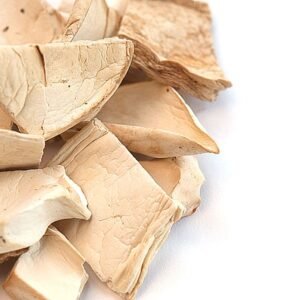
Renowned for their unique fan-like shape and striking colors, turkey tail mushrooms have been used in traditional medicine for centuries. Beyond their distinctive beauty, they are highly valued for their natural health-supporting properties. Packed with antioxidants, prebiotics, and immune-boosting compounds, they are a popular choice for those seeking both wellness and culinary inspiration. Adding turkey tail to your pantry means adding both nutrition and versatility. where to buy turkey tail mushroom? Our site have the best mushroom you can find around
Unlike ordinary mushrooms, turkey tail mushrooms are prized for their balance of earthy flavor and medicinal benefits. They are classified among the most well-known gourmet medicinal mushrooms, used in teas, broths, extracts, and even soups. Their bioactive compounds may support gut health and immunity, making them a functional ingredient as well as a flavorful one. Whether you’re a chef exploring new flavors or someone interested in natural health, turkey tail mushrooms are an excellent choice.
If you’re wondering where to find them, it’s now simple to where to buy turkey tail mushroom. By choosing trusted suppliers, you can enjoy carefully sourced and dried turkey tail mushrooms delivered directly to your door. Online shopping ensures quality, consistency, and convenience, allowing you to access these functional mushrooms without searching specialty stores. This means you can explore gourmet recipes and natural remedies at any time of the year.
One of the greatest advantages of turkey tail mushrooms is their flexibility in both culinary and wellness applications. They can be brewed into teas, simmered into soups, or blended into wellness powders and tinctures. Their mild, earthy flavor makes them easy to pair with other ingredients, while their health benefits provide an added layer of value. For anyone seeking gourmet medicinal mushrooms, turkey tail offers both taste and functionality.
By learning where to buy turkey tail mushrooms, you open the door to a world of natural flavor and health benefits. Nutritious, versatile, and easy to use, they are a must-have ingredient for anyone passionate about wellness and gourmet cooking.
Turkey Tail is a wood-decaying fungus commonly identified as Trametes versicolor. It has thin fan-shaped fruiting bodies with concentric bands of color.
Its overlapping fan-shaped layers resemble the spread feathers of a turkey’s tail.
The mushroom commonly known as Turkey Tail is scientifically associated with Trametes versicolor.
It commonly grows on dead and decaying hardwood, including logs, branches, and stumps.
It typically has thin, leathery, fan-shaped fruiting bodies with concentric bands and a porous underside.
It is technically edible but has a tough, leathery texture and is not normally consumed like Shiitake or Button mushrooms.
PSK is a protein-bound polysaccharide preparation derived from Turkey Tail and extensively studied in Japan.
PSP is another protein-bound polysaccharide associated with Turkey Tail and investigated in laboratory and clinical research.
Turkey Tail-derived polysaccharides have been studied for their interactions with immune-related pathways. Results depend on the preparation and research setting.
No. Turkey Tail should not be represented as a cure for cancer or as a replacement for conventional cancer treatment.
Some specific preparations have been investigated alongside conventional treatment, but anyone undergoing cancer treatment should discuss supplements with their oncology team.
Yes. Turkey Tail contains naturally occurring fungal polysaccharides, including beta-glucan-related compounds.
Turkey Tail contains compounds that have demonstrated antioxidant activity in laboratory research, although laboratory activity does not automatically establish clinical benefits.
Yes. Turkey Tail has traditionally been prepared as a hot-water preparation because its fruiting bodies are tough and fibrous.
Yes. Turkey Tail can be found in powdered and extract forms.
They are different materials and can have different chemical compositions. The appropriate choice depends on the product and its intended purpose.
Follow the manufacturer’s instructions and generally protect products from excessive heat, moisture, and direct sunlight.
Some people may experience digestive discomfort or other adverse reactions. Concentrated products may have different effects from ordinary food quantities.
Potential interactions are possible. People taking medications should discuss concentrated mushroom products with a healthcare professional.
A photograph can provide clues, but reliable wild mushroom identification may require examination of multiple characteristics and sometimes expert or microscopic analysis.
Turkey Tail mushrooms are much more than colorful fungi growing on fallen logs. They are ecologically important decomposers, historically significant traditional mushrooms, and subjects of extensive modern scientific research.
The species commonly associated with Turkey Tail, Trametes versicolor, is recognized by its thin fan-shaped fruiting bodies, concentric bands of color, leathery texture, and tiny pores on the underside.
Scientifically, much of the interest surrounding Turkey Tail comes from its complex collection of naturally occurring compounds, particularly polysaccharides, beta-glucans, and protein-bound polysaccharide preparations such as PSK and PSP.
Research has explored these compounds in connection with immune-related mechanisms, cancer-supportive applications, antioxidant activity, gastrointestinal research, microbiome interactions, inflammation, and metabolic pathways.
However, the distinction between research evidence and commercial marketing claims is essential.
A laboratory experiment does not establish a clinical treatment. An animal study does not automatically predict a human outcome. A study involving a standardized PSK or PSP preparation does not prove that every Turkey Tail powder or supplement has the same composition or effect.
For consumers, product transparency is therefore particularly important. Species identification, fruiting-body or mycelium source, extraction method, standardization, manufacturing information, and appropriate laboratory testing can all help provide a clearer picture of what a product contains.
Turkey Tail also demonstrates the broader importance of fungi in nature. As a wood-decay organism, it participates in decomposition and nutrient cycling, helping transform dead plant material and return nutrients to forest ecosystems.
Whether viewed from the perspective of fungal biology, ecology, traditional use, nutritional science, natural-product chemistry, or modern research, Turkey Tail remains one of the most fascinating mushrooms studied today.
The strongest approach is to appreciate Turkey Tail for what the evidence actually supports: a biologically complex fungus with a long history of traditional use and substantial scientific interest, while avoiding exaggerated claims that go beyond the available research.
| Quantity | oz, qp, hp, lbs |
|---|

Reviews
There are no reviews yet.