
Online Psychedelic Shop
Price range: $175.00 through $750.00
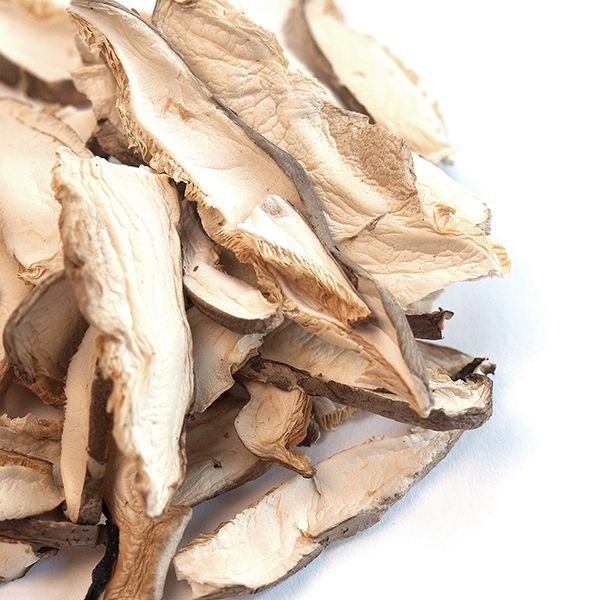
Shiitake Mushrooms are one of the world’s best-known edible mushrooms, recognized for their rich umami flavor, firm texture, brown caps, and long history in East Asian cuisine. Scientifically known as Lentinula edodes, shiitake mushrooms are cultivated commercially in many parts of the world and are available in both fresh and dried forms.
Shiitake is particularly interesting because it can be cultivated using traditional hardwood logs as well as modern sawdust-based substrates. Its ability to decompose woody material makes it an important species in mushroom cultivation and fungal ecology.
Beyond culinary applications, Shiitake Mushrooms have been extensively studied for their nutritional composition and naturally occurring compounds, including polysaccharides, beta-glucans, phenolic compounds, and other metabolites.
This detailed guide explains what Shiitake Mushrooms are, how to identify them, where they grow, how they are cultivated, their nutritional characteristics, potential benefits, cooking methods, storage requirements, food safety considerations, commercial production, sustainability, and differences between shiitake and other popular mushrooms.
Shiitake Mushrooms are edible fungi belonging to the species Lentinula edodes. They are traditionally associated with East Asian forests and have been cultivated as a food crop for centuries.
The mushroom produces a distinctive brown cap supported by a pale stem. Depending on maturity and growing conditions, the cap may develop characteristic cracks or patterns.
Shiitake is especially valued for its savory umami character, which makes it useful in soups, sauces, stir-fries, noodle dishes, rice dishes, broths, and many other recipes.
Fresh shiitake provides a firm, meaty texture, while dried shiitake develops a concentrated aroma and flavor.
The scientific name of the Shiitake Mushroom is Lentinula edodes.
The species belongs to the genus Lentinula and family Omphalotaceae.
Scientific classification is useful when researching mushrooms because common names can differ between regions and languages.
Shiitake mushrooms may be referred to as:
The scientific name remains the most reliable way to identify the species.
Correct identification involves examining several characteristics rather than relying only on cap color.
Important features include:
Commercially cultivated shiitake is generally easier to identify than unknown wild mushrooms because it is produced from known strains under controlled conditions.
A typical shiitake has:
The exact appearance changes with age and environmental conditions.
The cap is normally brown and may range from light tan to dark brown.
Some mushrooms develop attractive cracking patterns across the surface.
Cap characteristics can be influenced by:
A healthy commercial shiitake should have a firm, fresh appearance without obvious spoilage.
The gills are located underneath the cap.
They are typically pale and closely spaced.
Their primary biological function is reproduction because spores are produced on specialized structures associated with the gills.
The stem provides structural support for the cap.
Shiitake stems can become relatively tough and fibrous as the mushroom matures.
In cooking, tough stems are often removed from the cap but can be saved for stocks, broths, sauces, or other preparations where their texture is less important.
Shiitake mushrooms are wood-decaying fungi associated with hardwood.
In natural environments, Lentinula edodes grows on suitable dead or decaying woody material.
Its ability to digest components of wood is central to its biology and explains why hardwood has traditionally been used for cultivation.
Shiitake is historically associated with East Asia but is now commercially cultivated in many regions.
Traditional cultivation uses hardwood logs, while modern production frequently uses prepared sawdust blocks.
The species performs best when environmental conditions are matched to the particular strain and cultivation method.
Shiitake is a saprotrophic fungus.
Rather than obtaining energy from sunlight, the fungus obtains nutrients by decomposing organic material.
The mycelium produces enzymes that help break down complex components of wood.
Through this process, the fungus contributes to the decomposition and recycling of organic matter.
The general life cycle includes:
The visible mushroom represents only the reproductive fruiting body of the larger fungal organism.
Mycelium is the network of microscopic fungal filaments that grows through the substrate.
During cultivation, shiitake mycelium gradually colonizes suitable hardwood or sawdust.
The quality and maturity of the mycelium strongly influence subsequent fruiting.
Shiitake reproduces through spores.
Mature fruiting bodies produce spores from structures associated with the gills.
Under favorable conditions, spores can germinate and develop fungal mycelium.
Commercial growers generally use prepared spawn rather than spores because spawn provides a more controlled method of introducing established mycelium into the growing substrate.
Shiitake cultivation is commonly divided into two major approaches:
Suitable hardwood logs are inoculated with shiitake spawn.
The mycelium gradually colonizes the wood before environmental conditions are used to encourage fruiting.
Commercial producers often use prepared hardwood sawdust substrates.
This approach allows more controlled production and can shorten the production cycle compared with traditional log cultivation.
Log cultivation is one of the traditional methods of growing shiitake.
The general process involves:
Log cultivation generally requires patience because complete colonization can take a considerable amount of time.
Shiitake is generally associated with hardwood species.
The suitability of a particular tree species depends on:
Growers should use reliable cultivation recommendations for their chosen wood species.
Sawdust-based cultivation is widely used in modern commercial production.
Prepared hardwood sawdust can be formulated into blocks or other suitable substrate systems.
Advantages can include:
Substrate formulation must provide suitable nutrients, moisture, structure, and aeration.
Spawn is substrate containing actively growing shiitake mycelium.
It is used to introduce the fungus into logs or prepared growing blocks.
High-quality spawn should demonstrate strong, healthy colonization.
Poor-quality spawn can contribute to:
Successful cultivation requires appropriate environmental conditions throughout the production cycle.
Important variables include:
The requirements during colonization can differ significantly from those needed during fruiting.
Temperature affects mycelial growth, substrate colonization, fruiting, and mushroom development.
Different shiitake strains can have different temperature preferences.
Growers should therefore avoid assuming that one temperature range is suitable for every strain or cultivation stage.
Stable environmental conditions generally provide more predictable results than repeated extreme fluctuations.
Humidity is especially important during fruiting.
If humidity is too low, mushrooms can dry out and develop poorly.
If humidity remains excessively high without adequate air movement, contamination and bacterial problems can become more likely.
Successful cultivation balances:
Fresh-air exchange helps control carbon dioxide and humidity.
Poor ventilation can contribute to abnormal fruiting-body development.
Excessive airflow can cause mushrooms to lose moisture too quickly.
The ideal balance depends on the growing system, mushroom strain, room conditions, and stage of development.
Fungal respiration naturally produces carbon dioxide.
Carbon dioxide concentration can influence mushroom morphology and development.
Commercial growers can use ventilation and environmental monitoring to maintain suitable conditions during fruiting.
Shiitake mushrooms do not photosynthesize.
They therefore do not use sunlight as an energy source in the way plants do.
Nevertheless, light can influence fruiting development and mushroom orientation.
Controlled cultivation generally uses suitable ambient or artificial light while prioritizing temperature, humidity, ventilation, and substrate management.
After the mycelium has sufficiently colonized and matured, conditions can be adjusted to encourage fruiting.
Fruiting depends on:
Environmental consistency is particularly important once young mushrooms begin developing.
Primordia are the earliest visible stages of fruiting-body formation.
They eventually develop into recognizable mushrooms.
During primordia formation, sudden changes in temperature, humidity, or airflow can negatively affect development.
The answer depends heavily on the production method.
Log-grown shiitake typically requires a substantially longer production period because the fungus must colonize and mature within the wood.
Sawdust-block cultivation can provide faster and more controlled production.
Other factors include:
Harvesting should occur when the mushrooms have reached the desired developmental stage.
Factors used to determine harvest timing include:
Harvesting too early can reduce size, while excessive maturity can affect texture and shelf life.
Mushrooms should be removed carefully using clean handling practices.
Avoid unnecessary damage to the substrate or nearby developing mushrooms.
After harvesting, mushrooms should be cooled and stored appropriately to preserve quality.
Yield depends on numerous variables.
Important factors include:
Commercial producers commonly evaluate both total yield and marketable yield.
A large harvest is not necessarily commercially successful if a significant proportion of the mushrooms are damaged or poor quality.
Shiitake mushrooms are famous for their strong savory and umami flavor.
Their flavor is often described as:
Dried shiitake generally develops an even more concentrated aroma after dehydration and rehydration.
Fresh shiitake mushrooms have a firm and meaty texture.
The cap becomes tender when cooked.
The stem can be considerably more fibrous, particularly in mature mushrooms.
This difference in texture explains why many recipes focus on the cap while using the stems for stocks or broths.
Shiitake is an exceptionally versatile culinary mushroom.
Popular cooking methods include:
The mushroom’s umami character makes it useful for enhancing savory dishes.
Stir-frying shiitake over relatively high heat can develop a rich savory flavor.
Common ingredients paired with shiitake include:
Shiitake is frequently used in soups because it contributes depth and savory flavor.
Popular applications include:
Dried shiitake can provide particularly strong flavor to broths.
After rehydration, the soaking liquid may be strained and incorporated into suitable recipes.
This can provide an efficient way to extract additional savory flavor from dried mushrooms.
Shiitake works well with rice-based meals.
Popular applications include:
Shiitake can be incorporated into:
Its umami flavor pairs naturally with broth and savory sauces.
Shiitake mushrooms are popular in vegetarian and plant-based cooking because their savory flavor and firm texture can add depth to meals.
They can be combined with:
The mushroom can contribute texture and umami without requiring meat.
Both forms have different culinary characteristics.
Fresh shiitake generally provides:
They are especially suitable for sautéing, grilling, roasting, and stir-frying.
Dried shiitake offers:
Dried mushrooms must be appropriately rehydrated before use in recipes requiring a soft texture.
A common preparation method is soaking dried shiitake in water until the mushrooms become sufficiently soft.
After soaking:
The soaking liquid can be strained and used as a flavorful cooking liquid when appropriate.
Fresh mushrooms should be inspected for visible dirt or debris.
Clean them gently and avoid unnecessarily prolonged soaking.
Trim tough stem portions according to the intended recipe.
Dried mushrooms should also be inspected after rehydration.
Fresh shiitake mushrooms are perishable.
Appropriate storage helps maintain their:
Follow recommended refrigeration and packaging practices for the specific product.
Avoid storing mushrooms in conditions that trap excessive moisture.
Dried shiitake has a much longer storage life than fresh mushrooms when properly protected.
Store dried mushrooms:
Moisture exposure can reduce quality and encourage mold growth.
Shiitake Mushrooms contain a range of nutrients and naturally occurring compounds.
Their nutritional composition may include:
The nutritional profile changes significantly when mushrooms are dried because water is removed and nutrients become more concentrated by weight.
Shiitake contains dietary protein and can contribute to overall protein intake.
However, mushrooms are generally best considered one component of a varied diet rather than the sole source of protein.
They pair well with:
Shiitake contains dietary fiber and fungal structural polysaccharides.
Including mushrooms as part of a varied diet can contribute to overall fiber consumption.
Shiitake can provide several vitamins, particularly certain B vitamins.
The precise amount depends on:
Shiitake can contain minerals such as copper, selenium, zinc, potassium, and other micronutrients, although amounts vary according to the mushroom and growing conditions.
Product-specific nutrition labels are the best source for precise nutritional quantities.
Mushrooms can contain vitamin D2, particularly when exposed to ultraviolet light.
Consequently, the vitamin D content of shiitake can vary substantially between products.
Mushrooms grown or treated under ultraviolet light may contain more vitamin D2 than mushrooms that receive little or no UV exposure.
Researchers have investigated several naturally occurring compounds in shiitake, including:
These compounds are being studied for their roles in mushroom biology, food chemistry, and potential biological activity.
As an edible food, shiitake can contribute useful nutrients and flavor to a balanced diet.
Potential nutritional advantages include:
Research into mushroom compounds continues, but nutritional research should not be confused with evidence that mushrooms are treatments for medical conditions.
Scientists have studied antioxidant-related compounds in shiitake.
Laboratory experiments have identified antioxidant activity in certain mushroom extracts and compounds.
However, laboratory antioxidant activity does not automatically establish a specific health effect in humans.
Certain shiitake polysaccharides and beta-glucans have been investigated for their biological activity.
Research includes laboratory, animal, and human studies examining different mushroom components.
The existence of scientific research does not mean shiitake mushrooms should be used as a substitute for medical treatment.
Some compounds found in shiitake have been studied in relation to lipid metabolism and cardiovascular-related mechanisms.
Eritadenine, for example, has attracted scientific interest because of its effects in experimental models.
These findings should be interpreted as research evidence rather than a medical recommendation.
Shiitake mushrooms can be a nutritious addition to a balanced diet.
They provide:
Their nutritional value is influenced by growing conditions, processing, preparation, and serving size.
Food safety should always be considered when preparing mushrooms.
Fresh shiitake should be discarded if it shows clear signs of spoilage such as:
Commercial products should be stored according to their packaging instructions.
Shiitake mushrooms are commonly cooked before consumption.
Cooking improves their texture and flavor and is the standard preparation method for many shiitake dishes.
People should follow appropriate food-safety practices when preparing fresh mushrooms.
Some people can develop a skin reaction known as shiitake dermatitis after consuming raw or insufficiently cooked shiitake mushrooms.
The reaction is associated with lentinan, a naturally occurring polysaccharide found in shiitake.
Anyone who develops an unusual reaction after eating shiitake should seek appropriate medical advice.
Food allergies and individual sensitivities are possible.
People who develop symptoms after consuming or handling mushrooms should stop exposure and seek appropriate professional advice.
Signs of spoilage can include:
Spoiled mushrooms should not be consumed.
Common cultivation problems include:
Identifying the underlying environmental problem is more effective than changing conditions randomly.
Failure to fruit can occur for several reasons.
Possible contributing factors include:
Growers should assess temperature, moisture, humidity, ventilation, substrate maturity, and spawn quality systematically.
Contamination can occur when unwanted microorganisms compete with shiitake mycelium.
Potential contaminants include:
Prevention depends on:
Mushroom production can be affected by insects and other organisms.
Regular inspection and sanitation can help identify problems early.
Commercial producers generally use integrated cultivation and sanitation practices to protect crops.
Shiitake growing kits can provide beginners with a convenient introduction to mushroom cultivation.
Depending on the product, a kit may contain:
The results depend on following the environmental instructions provided for the specific kit.
Commercial shiitake production involves several stages:
Each stage affects the final quality and profitability of the crop.
Modern commercial systems often emphasize:
Indoor production can provide greater environmental control than outdoor log cultivation.
Shiitake cultivation can make use of suitable hardwood materials and sawdust generated by wood-processing industries.
Using appropriate wood residues as mushroom substrates can create additional value from materials that might otherwise have limited applications.
Spent mushroom substrate may also have potential agricultural or composting uses depending on local practices.
Mushroom cultivation can form part of a circular production model.
A simplified cycle can be:
Wood or sawdust residue → mushroom substrate → shiitake production → food → spent substrate → potential agricultural reuse
The environmental advantages depend on how the complete production system is managed.
Transportation, water consumption, energy use, packaging, and substrate sourcing all influence sustainability.
Shiitake and Oyster Mushrooms are both popular edible fungi, but they differ considerably.
| Feature | Shiitake | Oyster Mushroom |
|---|---|---|
| Scientific name | Lentinula edodes | Pleurotus species |
| Typical substrate | Hardwood | Straw, sawdust and other plant residues |
| Flavor | Strong umami | Mild to savory |
| Texture | Firm and meaty | Tender to fibrous |
| Common form | Fresh and dried | Mostly fresh |
| Traditional cultivation | Hardwood logs | Agricultural residues |
King Oyster Mushrooms belong to Pleurotus eryngii.
King oyster generally develops a large, thick stem, while shiitake has a more conventional mushroom shape with a prominent cap.
Both can provide a substantial texture when cooked but have different flavors and cultivation requirements.
White Button Mushrooms are Agaricus bisporus.
Compared with white button mushrooms, shiitake generally has:
Portabella mushrooms are mature Agaricus bisporus.
Portabella is recognized for its large cap and substantial texture, while shiitake is usually smaller and more intensely savory.
Both are useful for:
Maitake, also called Hen of the Woods, belongs to a different species group.
Maitake typically forms large clusters of overlapping fronds, whereas shiitake produces individual capped fruiting bodies.
Both are valued for their distinctive flavors and culinary versatility.
Morels belong to the genus Morchella and differ significantly from shiitake.
Morels have a characteristic honeycomb-like cap and are commonly associated with spring fruiting in temperate environments.
Shiitake, by contrast, is strongly associated with hardwood decomposition and commercial cultivation.
When purchasing fresh shiitake, look for:
For dried products, look for:
Restaurants use shiitake in many applications because of its strong flavor and versatility.
Common restaurant uses include:
Fresh and dried forms can serve different culinary purposes.
Shiitake can be particularly useful in plant-based cooking.
Its savory flavor can enhance dishes based on:
The mushroom’s meaty texture can also provide additional structure to plant-based meals.
Fresh and dried shiitake have very different storage requirements.
Fresh mushrooms are highly perishable and should be refrigerated appropriately.
Dried mushrooms have a considerably longer storage life when protected from humidity.
Always follow the storage instructions provided by the supplier or product packaging.
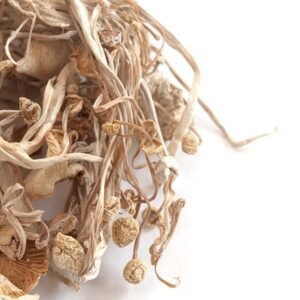
Celebrated for centuries in Asian cuisine, shiitake mushrooms have become a global favorite thanks to their meaty texture and rich, savory flavor. Known for their deep umami taste, they add a gourmet touch to countless dishes. Whether you use them in soups, stir-fries, sauces, or broths, shiitakes are one of the most versatile and flavorful ingredients you can keep in your kitchen.
Unlike ordinary mushrooms, shiitakes are renowned not only for their taste but also for their health benefits. Packed with vitamins, minerals, and natural antioxidants, they support overall wellness while enhancing meals with incredible depth of flavor. Furthermore, their chewy texture makes them a satisfying alternative to meat in vegetarian or vegan dishes. For those who love experimenting with gourmet mushrooms, shiitakes are an essential choice.
Thanks to modern convenience, it’s simple to buy shiitake online and enjoy premium-quality produce delivered to your door. Our shiitake mushrooms are carefully sourced and dried to preserve their flavor and nutrients. By choosing reliable suppliers, you can be confident that every mushroom delivers authentic taste and texture. Whether you are stocking your pantry or preparing a gourmet recipe, shiitakes provide quality you can trust.
From hearty soups to elegant risottos, mushrooms shine in a wide range of culinary creations. They are perfect for enhancing ramen, stir-fries, pasta dishes, or even as a flavorful topping for pizzas and salads. Additionally, the soaking liquid from dried shiitakes transforms into a rich broth that can be used in sauces or stews, adding even more depth to your cooking. Their versatility ensures they remain a must-have ingredient for both professional chefs and home cooks.
By incorporating shiitake mushrooms into your meals, you bring authentic gourmet flavor to everyday dishes. Easy to prepare, packed with nutrients, and bursting with umami, they are the perfect way to transform ordinary recipes into extraordinary experiences.
Shiitake Mushrooms are edible fungi scientifically known as Lentinula edodes. They are widely cultivated and especially popular in East Asian cuisine.
The scientific name is Lentinula edodes.
They have a rich, savory, earthy, umami flavor.
Yes. Shiitake is a widely cultivated edible mushroom.
They can contribute fiber, protein, vitamins, minerals, and naturally occurring fungal compounds as part of a balanced diet.
Shiitake is commonly cooked before consumption. Proper cooking and food-handling practices are recommended.
Hardwood is the traditional substrate. Modern commercial systems frequently use prepared hardwood sawdust.
Yes. Hardwood log cultivation is a traditional method of growing shiitake.
Yes. Indoor cultivation commonly uses prepared sawdust-based substrates and controlled environmental conditions.
Production time depends on the cultivation method. Log-grown mushrooms generally require a much longer period than many indoor block systems.
Requirements vary by strain and cultivation stage. Growers should follow strain-specific cultivation recommendations.
No. Shiitake does not use sunlight for photosynthesis, although suitable light can influence aspects of fruiting.
They can be sautéed, stir-fried, grilled, roasted, steamed, braised, or added to soups, sauces, rice, and noodle dishes.
Dried mushrooms are commonly rehydrated in water until tender and then added to soups, stir-fries, sauces, rice, or noodle dishes.
Tender stems can be used, but mature stems are often fibrous. Tough stems can be removed and used to flavor stocks or broths.
Fresh shiitake should be refrigerated and handled according to appropriate food-storage recommendations.
Keep dried shiitake in a cool, dry environment protected from moisture and stored in suitable airtight packaging.
Their popularity comes from their strong umami flavor, firm texture, culinary versatility, long history, and availability in both fresh and dried forms.
No. Shiitake belongs to Lentinula, while oyster mushrooms belong to Pleurotus. They have different appearances and cultivation requirements.
No. Portabella mushrooms are mature Agaricus bisporus, while shiitake is Lentinula edodes.
Yes. Home cultivation is possible using suitable logs or prepared growing blocks, provided the required environmental conditions are maintained.
Shiitake Mushrooms are an important edible fungus with a distinctive combination of rich umami flavor, firm texture, nutritional value, culinary versatility, and cultivation potential.
Scientifically known as Lentinula edodes, shiitake can be grown traditionally on hardwood logs or commercially using prepared sawdust substrates. Its biology as a wood-decomposing fungus also gives it an interesting role in agricultural and forestry-based resource utilization.
Whether you are researching Shiitake Mushroom nutrition, identification, cultivation, growing conditions, fresh or dried mushrooms, cooking methods, storage, commercial farming, sustainability, or comparisons with other edible mushrooms, this species offers a broad range of topics for further exploration.
For consumers, purchasing fresh or dried mushrooms from reputable sources and following proper food-storage and preparation practices is important. For growers, successful production depends on suitable spawn, appropriate substrates, environmental control, contamination management, and careful harvesting.
| Quantity | oz, qp, hp, lbs |
|---|

Reviews
There are no reviews yet.