
Online Psychedelic Shop
Price range: $180.00 through $340.00
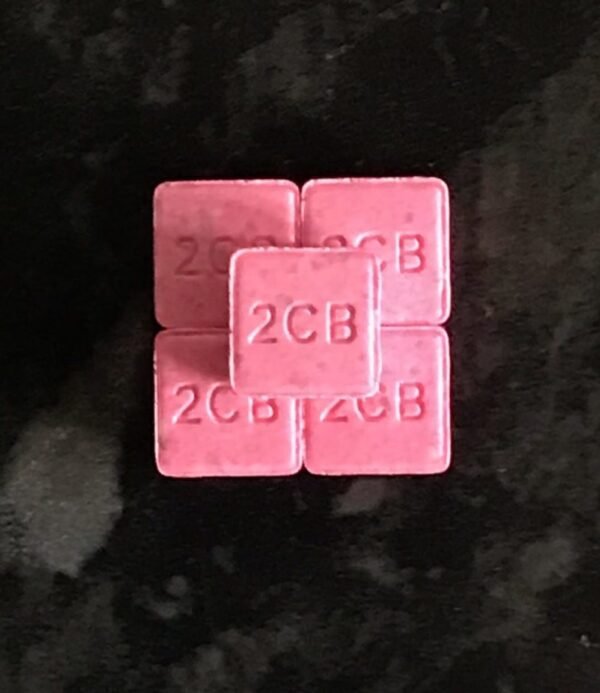
Top quality dutch 2CB pills containing 25mg 2CB.They will be very trippy! Take half first if you never did 2CB before!
25MG 2CB pills
Moderate Trip 15-25mg
Strong Trip 25-35mg
Extreme Trip 35mg+
The trip lasts about 4-6 hours.
Please take necessary information.
2C-B is almost always ingested orally and can take anywhere between 30 minutes and a full two hours to take effect.
The visual effects of 2C-B can be more intense than those produced by LSD or mushrooms, yet most users report a relatively clear head space with significantly less psychological confusion.Buy 2C-B online
2cb pills is a synthetic psychedelic substance belonging to the 2C family of phenethylamines. It has been studied primarily for its effects on perception, sensory processing, mood, and consciousness. The substance is sometimes encountered in tablet or capsule form, although the appearance of a pill cannot reliably establish what it contains.
Because tablets sold as 2cb pills may contain different substances, understanding the distinction between the chemical 2C-B itself and products marketed under the name “2C-B” is important. Unregulated pills can vary considerably in composition, strength, and purity, creating risks that are difficult to determine from appearance alone.
This guide explains what 2C-B is, how it affects the body and brain, commonly reported effects, potential risks, interactions, duration, tolerance, legal considerations, and situations in which medical assistance may be necessary.
2CB pills are tablets or capsules represented as containing 2CB, a psychedelic compound known chemically as 2,5-dimethoxy-4-bromophenethylamine.
2C-B belongs to the broader family of substituted phenethylamines. It was first synthesized by chemist Alexander Shulgin and subsequently became known for producing changes in visual perception, sensory experiences, mood, and thought.
A major consideration with illicit or unregulated tablets is that a pill’s label does not necessarily establish its contents. Two tablets that look identical can contain different substances or different amounts of an active compound.
For this reason, visual appearance, logos, colors, or tablet markings should not be treated as reliable evidence of chemical identity.
The name 2C-B refers to the chemical structure of the compound. The “2C” designation is associated with a family of phenethylamine compounds developed and investigated within psychedelic chemistry, while the “B” relates to the bromine substitution in the molecule.
2C-B is sometimes discussed alongside substances such as mescaline, LSD, and psilocybin because all can produce psychedelic effects. However, these substances have different chemical structures and pharmacological profiles.
2C-B was synthesized in the 1970s by Alexander Shulgin, who investigated numerous psychoactive phenethylamine compounds.
Shulgin later documented many of these substances in his writings on psychoactive chemistry. 2C-B became particularly notable because it can produce both psychedelic and sensory effects.
Over subsequent decades, 2C-B appeared in recreational drug markets under various names. Its legal status has also changed in different jurisdictions, with many countries placing it under controlled-substance legislation.
Scientific knowledge about 2C-B remains considerably more limited than knowledge about substances such as LSD, MDMA, or psilocybin.
There is no single standardized appearance for a 2C-B pill.
Tablets marketed as 2C-B may differ in:
These characteristics cannot reliably confirm the identity or contents of a tablet.
A particularly important issue is that counterfeit or misrepresented tablets can contain entirely different psychoactive substances. Some substances sold under the same name may also have substantially different risk profiles.
2C-B is a psychedelic phenethylamine that interacts with several neurotransmitter systems. Its psychedelic properties are associated particularly with activity involving serotonin receptors.
The exact relationship between receptor activity and the complete subjective experience is complex. Researchers continue to investigate how different receptor interactions contribute to changes in perception, cognition, sensory processing, and mood.
Serotonin is a neurotransmitter involved in numerous biological processes, including mood regulation, sensory processing, sleep, and cognition.
Psychedelic compounds can alter signaling through specific serotonin receptors, particularly receptors within the 5-HT2 family. These interactions are believed to contribute substantially to psychedelic effects.
However, receptor activity alone does not fully explain every effect associated with 2C-B.
2C-B has a different molecular structure from classic psychedelics such as LSD and psilocybin, although there are similarities in some of their pharmacological effects.
Research into 2C-B pharmacology is still comparatively limited. Consequently, conclusions about long-term effects, repeated exposure, and interactions should be treated cautiously.
The effects associated with 2C-B can vary substantially between individuals and circumstances.
Reported experiences can include changes in:
Some people report intensified colors, patterns, or visual distortions. Others may experience changes in emotional intensity or heightened awareness of sensory stimuli.
The experience can also be uncomfortable or distressing, particularly when unexpected effects occur.
Physical effects reported with psychedelic phenethylamines can include:
The presence and severity of these effects can vary considerably.
Psychological effects may include:
In some circumstances, intense psychological effects can become frightening or overwhelming.
2C-B is commonly associated with changes in visual and sensory perception. Some reported effects include enhanced colors, geometric patterns, altered depth perception, and visual distortions.
These effects are not necessarily predictable. A person’s environment, expectations, emotional state, other substances, and individual physiology can influence the experience.
The timing of 2C-B effects can vary depending on multiple factors, including the substance’s actual composition, individual metabolism, and whether other substances are involved.
Reported experiences generally include an onset period followed by a period of stronger effects and an eventual reduction in intensity.
It is important not to assume that every tablet marketed as 2C-B will have the same duration. Misidentified substances can have substantially different onset times and durations.
Although 2C-B is sometimes described as manageable by people who have used it, this does not mean that it is risk-free.
Potential adverse effects can include:
The risks can be greater when the substance is unknown, unexpectedly potent, or combined with other drugs.
Psychedelic experiences can sometimes produce severe anxiety, panic, paranoia, or confusion.
People with a personal or family history of certain psychiatric conditions may face additional concerns, although research specifically addressing 2C-B remains limited.
Unexpected psychological reactions can also occur in people without a known psychiatric history.
Physical risks may involve cardiovascular stimulation, changes in body temperature, nausea, vomiting, and impaired coordination.
Severe reactions require medical attention, particularly when someone becomes unresponsive, experiences seizures, has difficulty breathing, develops severe agitation, or shows signs of a serious cardiovascular or neurological problem.
One of the most important concerns surrounding illicit 2C-B tablets is uncertainty about their contents.
A tablet advertised as 2C-B could potentially contain:
Consequently, the risks of a particular tablet cannot be determined simply from its branding or appearance.
Combining psychoactive substances can produce unpredictable effects.
Potentially concerning combinations include 2C-B with other psychedelics, stimulants, serotonergic substances, or medications that affect the central nervous system.
Combining psychedelics can intensify perceptual and psychological effects. The resulting experience may become more difficult to predict.
Stimulants can increase cardiovascular stimulation, anxiety, agitation, and physical stress. Combining psychoactive substances may therefore increase overall risk.
Alcohol can impair judgment and coordination while making it harder to recognize or respond appropriately to adverse effects.
Medication interactions are difficult to predict without knowing the specific medication, dose, medical circumstances, and other substances involved.
Anyone taking prescription medication should consult a qualified healthcare professional or pharmacist before exposure to an unknown psychoactive substance.
2C-B is sometimes compared with LSD, psilocybin, MDMA, and mescaline. These comparisons can be useful, but the substances should not be considered interchangeable.
LSD is a lysergamide, whereas 2C-B is a substituted phenethylamine.
Both can produce psychedelic effects and changes in visual perception, but their pharmacology and subjective effects can differ.
Psilocybin is a naturally occurring psychedelic compound found in certain fungi. The body converts psilocybin into psilocin, which produces psychedelic effects.
2C-B is a synthetic compound with a different chemical structure.
MDMA is primarily recognized for its stimulant and empathogenic effects, whereas 2C-B is generally classified as a psychedelic phenethylamine.
Despite differences between them, tablets sold in unregulated markets can sometimes be misrepresented, making chemical identification particularly important.
Mescaline is a naturally occurring psychedelic phenethylamine associated with certain cactus species. 2C-B is structurally related to phenethylamines but is synthetically produced.
Both can produce psychedelic effects, but they are distinct substances.
The duration of subjective effects should not be confused with the time required for a substance or its metabolites to leave the body.
Drug metabolism varies between individuals and can be influenced by factors such as metabolism, liver function, body composition, other medications, and the actual substance consumed.
Because products sold as 2C-B may contain different compounds, detection characteristics can also differ.
Understanding risks is particularly important because illicit tablets can be inaccurately labeled.
The name printed on a package or the logo pressed into a tablet cannot establish chemical identity.
Laboratory-based analytical methods provide substantially more reliable information than appearance alone.
Misrepresentation can create two separate risks: the substance may not be what the person expects, and its concentration may be unknown.
This uncertainty makes comparisons between tablets based solely on appearance unreliable.
Emergency medical attention may be appropriate when someone develops symptoms such as:
In an emergency, contacting local emergency medical services is more appropriate than attempting to manage a severe reaction without professional assistance.
A person experiencing severe psychological or physical effects should not be left alone.
Keeping the environment calm, reducing unnecessary stimulation, preventing dangerous behavior, and seeking professional medical assistance when symptoms are severe can help reduce immediate risks.
2C-B is not generally discussed in the same way as substances associated with strong physical dependence, but this does not mean repeated use is without risk.
Tolerance can develop with psychedelic substances, and repeated exposure may change the intensity or character of subjective effects.
Research specifically examining long-term 2C-B exposure remains limited. Therefore, claims about long-term safety should be approached cautiously.
The legal status of 2C-B varies by jurisdiction.
Many countries classify 2C-B as a controlled substance, while specific regulations can differ regarding possession, production, distribution, importation, and research.
Laws can also change over time. Anyone researching the legal status of 2C-B should consult the current legislation or an appropriate government source for their jurisdiction rather than relying on outdated online information.
Scientific research into 2C-B has been much more limited than research into several better-established psychedelics.
Researchers have investigated aspects of its chemistry, pharmacology, receptor activity, and subjective effects. However, limited clinical evidence means that many questions about long-term exposure, therapeutic potential, safety, and interactions remain unresolved.
It is important to distinguish laboratory research from claims made in recreational drug communities. Anecdotal reports can provide information about people’s experiences but cannot establish medical safety or effectiveness.
Existing research indicates that 2C-B is a psychoactive psychedelic compound with activity involving serotonin receptors and other biological targets.
Its effects can include substantial changes in sensory perception and cognition.
Important limitations include relatively small research datasets, limited controlled human research, uncertainty surrounding illicit-market products, and a lack of extensive long-term safety data.
These limitations mean that conclusions about 2C-B should remain appropriately cautious.
2C-B is a synthetic psychedelic phenethylamine known for producing changes in perception, sensory processing, cognition, and mood.
Not necessarily. “2C-B” refers to the chemical compound, while a pill is a physical formulation that may contain 2C-B or other substances. Products obtained from unregulated sources cannot be assumed to contain the advertised substance.
The duration can vary between individuals and products. The actual contents of an unregulated tablet can also affect onset and duration.
Reported effects include altered visual perception, intensified sensory experiences, changes in mood, altered time perception, and changes in thought patterns. Anxiety, nausea, increased heart rate, confusion, and other adverse effects can also occur.
2C-B is not generally characterized as producing the same pattern of physical dependence associated with substances such as opioids. However, this does not establish that repeated use is safe or free from psychological or other risks.
2C-B can produce adverse psychological and physical effects. Risk can be particularly difficult to assess when the substance’s identity or concentration is uncertain.
Combining psychoactive substances can make effects more unpredictable and potentially increase risks. Specific interactions depend on the substances involved.
Appearance, logos, color, and markings cannot reliably identify a pill’s chemical contents. Laboratory analysis is substantially more reliable for determining composition.
If someone becomes unconscious, has difficulty breathing, experiences seizures, develops severe chest pain, becomes dangerously agitated or overheated, or otherwise appears seriously ill, emergency medical assistance should be sought immediately.
The legal status varies by country and can change over time. Current local laws should be consulted before making assumptions about possession, use, production, or distribution.
Several points are especially important when evaluating information about 2C-B:
2C-B Pills for sale. 2C-B is a novel psychoactive substance that was invented by biochemist and psychopharmacologist Alexander “Sasha” Shulgin in 1974. Shulgin is known as the “Godfather of Ecstasy” and legally synthesized over 200 psychedelic compounds in a musty lab on his property in the Bay Area known as “the Farm.” Buy 2CB Pills Online
2CB Pills For sale Online. 2C-B, or 4-bromo-2,5 dimethoxyphenethylamine, is a hallucinogenic drug that was synthesized in 1974 by Alexander Shulgin. When Ecstasy became a controlled substance in 1985,buy 2C-B tablet online was marketed as a legal MDMA substitute. 2C-B vendor became a Schedule I substance 10 years later in 1995.
2C-B’s effects are reportedly similar to MDMA, mescaline, LSD, and amphetamine. Unfortunately, because it is produced illegally, someone who purchases and consumes what they think is 2C-B for sale online usa won’t know the exact ingredients used in the batch taken. They may have a dangerous reaction to the drug.
The 2C family of drugs are classed as psychedelics (hallucinogens) but they can also produce stimulant effects.
As hallucinogens, they can make you experience reality in a distorted way that may cause hallucinations (seeing and hearing things that aren’t there).
As stimulants, they can make you feel awake, alert and affectionate towards people around you.
The buy 2CB acid tab drugs can make you:
They can also make you:
As with all psychedelic drugs, it’s very hard to predict how you’ll feel when you take a 2C drug – and some 2Cs cause more psychedelic effects than others. The more you take, the more intense and uncontrollable the experience will be. Buy 2cb pills online
How does it make people behave?
Because 2C drugs produce effects that are similar to both ecstasy and psychedelic drugs like LSD, people can behave like they’re on ecstasy or LSD – or both. Buy 2cb pills online
2C-B is a relatively well-known member of the 2C family of psychedelic phenethylamines, but scientific knowledge about the substance remains more limited than research on several other psychedelic compounds.
The effects associated with 2C-B can involve significant changes in perception, sensory processing, mood, and cognition. At the same time, unwanted effects such as anxiety, nausea, cardiovascular stimulation, confusion, and psychological distress can occur.
For anyone researching 2C-B, one of the most important distinctions is between the chemical compound itself and tablets marketed as containing that compound. Unregulated products may have uncertain composition, making assumptions based on appearance, branding, or labeling unreliable.
Reliable scientific information, awareness of potential risks, and appropriate medical assistance during severe reactions are important components of responsible drug education.
| QUANTITY | 25 X 25mg Pills, 50 X 25mg Pills |
|---|

Reviews
There are no reviews yet.