
Online Psychedelic Shop
Original price was: $250.00.$220.00Current price is: $220.00.
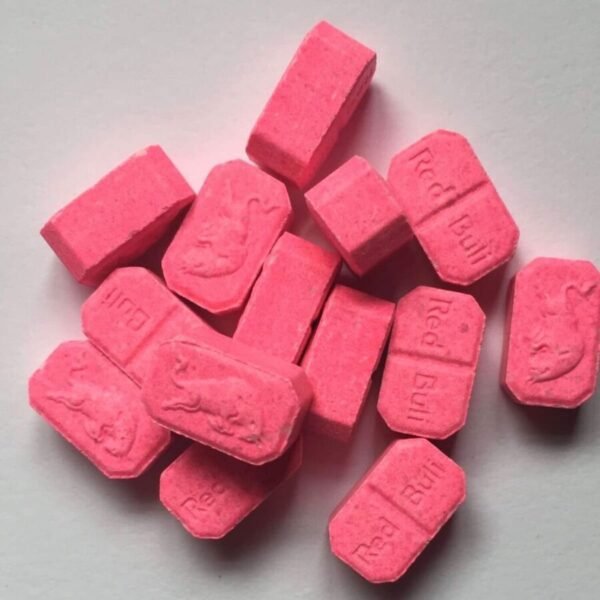
XTC pills are tablets commonly associated with MDMA, a synthetic psychoactive substance that can affect mood, perception, energy, and physiological functions. “XTC” is another term used for ecstasy, but the name of a tablet does not establish what it actually contains.
Understanding XTC pills requires more than looking at a tablet’s color, logo, shape, or branding. Tablets sold under similar names can have different compositions, and a pill marketed as MDMA may contain other substances or different concentrations of active ingredients.
This guide explains what XTC pills are, how MDMA affects the body and brain, potential short-term effects and risks, interactions, drug-checking considerations, emergency warning signs, scientific research, and legal considerations.
XTC is a commonly used term associated with ecstasy or MDMA tablets. MDMA stands for 3,4-methylenedioxymethamphetamine, a synthetic psychoactive compound.
The term XTC generally describes a form of the substance rather than guaranteeing a specific chemical composition. Tablets can differ in appearance and contents depending on where and when they were produced.
Because illicit tablets are not manufactured according to standardized pharmaceutical quality controls, their identity and strength may be uncertain.
XTC and ecstasy are commonly used as informal names for tablets associated with MDMA, while MDMA specifically refers to the chemical compound.
This distinction is important because a tablet sold as XTC may not necessarily contain only MDMA. Its actual composition cannot reliably be established from its name or appearance.
MDMA is a psychoactive compound that affects several neurotransmitter systems, including serotonin, dopamine, and norepinephrine.
These neurotransmitters are involved in mood, reward, alertness, emotional processing, and other physiological functions.
MDMA has also been studied in controlled scientific and clinical research. Controlled research conditions are different from unregulated recreational exposure because researchers can control substance identity, dosing, participant selection, monitoring, and environmental conditions.
XTC pills can vary considerably in physical appearance.
They may differ in:
Some tablets feature recognizable logos or designs. However, these characteristics should not be treated as chemical identification.
Two tablets with the same appearance can have different contents, while tablets with different appearances may contain similar substances.
No. Visual characteristics cannot reliably establish a tablet’s chemical composition, purity, or strength.
A logo or imprint may help describe a tablet, but it does not provide definitive evidence of what is inside it.
XTC pills are commonly described as containing MDMA, but the actual contents can vary.
A tablet may contain:
The concentration of an active substance can also vary between tablets or batches.
Unregulated tablet production does not necessarily follow standardized manufacturing procedures. Different producers and batches can therefore produce substantial differences in composition.
This means that assumptions based on previous experiences, pill logos, or online descriptions may not accurately reflect the contents of a particular tablet.
MDMA influences serotonin, dopamine, and norepinephrine signaling.
Serotonin is involved in mood, emotional processing, and several physiological functions. Dopamine contributes to reward and motivation, while norepinephrine is associated with alertness and physiological activation.
The combined effects of these neurotransmitter systems contribute to the psychological and physical changes associated with MDMA.
The effects associated with MDMA can vary considerably between individuals.
Possible effects include:
Not everyone experiences the same effects, and unwanted reactions can occur.
Psychological effects may include changes in mood, emotional intensity, perception, and social interaction.
Some individuals report feelings of increased closeness or elevated mood, while others can experience anxiety, nervousness, confusion, agitation, or panic.
Physical effects can include:
The severity of physical effects can vary depending on the substance involved and individual circumstances.
The timing of effects varies according to the substance’s actual composition, individual metabolism, and other factors.
Because tablets sold as XTC may contain different compounds, there is no reliable universal timeline that applies to every tablet.
MDMA’s noticeable effects generally occur over several hours, although the duration varies.
Some effects may persist after the primary experience has ended, including fatigue, changes in mood, sleep disruption, or difficulty concentrating.
Factors can include:
XTC pills can produce unwanted physical and psychological effects.
Possible side effects include:
Severe or rapidly worsening symptoms require urgent medical attention.
One of the major concerns associated with illicit XTC pills is uncertainty about their contents.
Potential risks include:
MDMA can increase body temperature. The risk can become more concerning in hot environments, crowded spaces, or during prolonged physical activity.
Severe overheating can become life-threatening.
Warning signs may include severe confusion, collapse, seizures, loss of consciousness, or extremely elevated body temperature.
Sweating and physical activity can contribute to fluid loss. However, excessive water consumption can also be dangerous.
MDMA may interfere with the body’s regulation of fluids, meaning that drinking very large quantities of water can contribute to dangerously low sodium levels.
MDMA can increase heart rate and blood pressure. These effects can place additional stress on the cardiovascular system.
Chest pain, severe shortness of breath, fainting, or collapse require emergency medical assessment.
Combining MDMA or unknown tablets with other substances can increase risks and make effects more difficult to predict.
Yes. MDMA can interact with medications and substances that affect serotonin, cardiovascular function, or the central nervous system.
Anyone taking prescription medication should consult a qualified healthcare professional or pharmacist about potential interactions.
MDMA affects serotonin signaling. Combining it with other substances that affect serotonin may increase the risk of serious adverse effects.
This is particularly important when a person takes medications that influence serotonin.
Different substances can interact in unpredictable ways. The risk becomes more difficult to assess when one or more substances have an uncertain identity or concentration.
Drug checking refers to analytical methods used to examine the chemical composition of a substance.
Drug-checking services can use different analytical techniques to identify certain substances or detect unexpected compounds.
The capabilities of testing methods vary. A test result does not necessarily establish that a substance is safe.
Testing may have limitations involving:
For these reasons, a test result should be interpreted within the limitations of the specific method used.
A pill’s appearance can change without indicating a change in chemical composition, and similar-looking tablets can contain different substances.
Chemical analysis is therefore fundamentally different from visual identification.
MDMA can influence emotional experiences and mood.
Some people may experience anxiety, panic, agitation, or nervousness after exposure to MDMA.
Psychological responses can vary according to individual circumstances, environment, and the substance involved.
Temporary mood changes may occur during or after MDMA exposure.
Some people report fatigue or low mood after the primary effects have ended.
After-effects can include:
Individual experiences vary.
Some symptoms require urgent medical attention.
Very high body temperature can be life-threatening and requires emergency treatment.
A seizure following suspected MDMA or unknown-substance exposure should be treated as a medical emergency.
Unresponsiveness or loss of consciousness requires immediate emergency assistance.
Breathing difficulties can indicate a serious reaction.
Chest pain after exposure to MDMA or another stimulant-type substance requires urgent medical evaluation.
Severe confusion may indicate dangerous toxicity, especially when combined with overheating or abnormal behavior.
Collapse or unresponsiveness requires immediate emergency medical assistance.
If someone develops severe symptoms, contact local emergency medical services immediately.
When possible, provide healthcare professionals with accurate information about substances that may have been involved. Do not delay emergency treatment while attempting to identify the exact tablet.
MDMA has been studied in scientific research involving pharmacology, neuroscience, psychology, and controlled clinical settings.
Research has examined:
Scientific studies typically use defined substances, controlled procedures, participant screening, monitoring, and documented protocols.
These conditions are substantially different from unregulated tablet use, where composition and strength may be uncertain.
The legal status of MDMA and ecstasy varies between countries and jurisdictions.
In many jurisdictions, MDMA is a controlled substance. Laws can address possession, production, distribution, importation, and research separately.
Drug laws vary by location and can change over time. Current government or legal sources should be consulted for jurisdiction-specific information.
Scientific work involving controlled substances may require appropriate institutional authorization, licensing, storage procedures, and regulatory approval.
XTC is a term commonly associated with ecstasy or MDMA tablets. The actual contents of an individual tablet cannot be established from its name or appearance alone.
XTC and ecstasy are commonly used as informal terms for tablets associated with MDMA.
XTC is commonly used to describe tablets associated with MDMA, whereas MDMA refers specifically to the chemical compound.
Possible effects include changes in mood, energy, sociability, sensory perception, heart rate, blood pressure, and body temperature.
Potential risks include overheating, cardiovascular stress, dehydration, electrolyte disturbances, psychological distress, drug interactions, and exposure to unexpected substances.
Yes. Tablets sold as XTC may contain substances other than MDMA or mixtures of different compounds.
No. A logo or imprint cannot reliably establish the chemical composition or strength of a tablet.
The duration varies according to the substance involved and individual factors. MDMA effects generally occur over several hours, while some after-effects can last longer.
Yes. MDMA can increase body temperature, particularly in hot environments or during prolonged physical activity.
Yes. MDMA can interact with medications and other substances, particularly those affecting serotonin or cardiovascular function.
Severe overheating, seizures, chest pain, difficulty breathing, severe confusion, collapse, loss of consciousness, and unresponsiveness are important emergency warning signs.
Legal status varies by country and jurisdiction. MDMA is controlled in many jurisdictions.
XTC is commonly associated with MDMA, but the name, logo, color, and appearance of a tablet cannot reliably establish its contents or strength.
MDMA can produce psychological and physical effects involving mood, perception, heart rate, blood pressure, and body temperature. Serious reactions can occur, particularly when substances are combined or when a tablet contains unexpected compounds.
Anyone experiencing severe overheating, seizures, chest pain, difficulty breathing, collapse, severe confusion, or loss of consciousness should receive emergency medical attention.
MDMA commonly known as ecstasy or molly, is a psychoactive drug primarily used for recreational purposes.
The desired effects include altered sensations, increased energy, empathy, as well as pleasure.
When taken by mouth, effects begin in 30 to 45 minutes and last 3 to 6 hours
MDMA has been described as an empathogenic drug because of its empathy-producing effects. Results of several studies show the effects of increased empathy with others. When testing MDMA for medium and high doses, it showed increased hedonic and arousal continuum. The effect of MDMA increasing sociability is consistent, while its effects on empathy have been more mixed.
MDMA is often considered the drug of choice within the rave culture and is also used at clubs, festivals, and house parties. In the rave environment, the sensory effects of music and lighting are often highly synergistic with the drug. The psychedelic amphetamine quality of MDMA offers multiple appealing aspects to users in the rave setting. Some users enjoy the feeling of mass communion from the inhibition-reducing effects of the drug, while others use it as party fuel because of the drug’s stimulatory effects.
MDMA has become widely known as ecstasy (shortened “E”, “X”, or “XTC“), usually referring to its tablet form, although this term may also include the presence of possible adulterants or diluents. The UK term “mandy” and the US term “molly” colloquially refer to MDMA in a crystalline powder form that is thought to be free of adulterants. MDMA is also sold in the form of the hydrochloride salt, either as loose crystals or in gelcaps





Reviews
There are no reviews yet.